The war in Iran has cut off access to a large share of global helium resources, which are needed for lifesaving medical procedures and semiconductor production. This crisis could have been avoided if the US hadn’t sold its stockpile to private companies.

The Vatican vs. Mar-a-Lago
Pope Leo XIV is making it impossible to reconcile MAGA politics with Catholic faith.

Ibrahim Traoré Would Like to Be Thomas Sankara’s Heir
Burkina Faso’s military leader, Ibrahim Traoré, has styled himself as the political heir of Thomas Sankara. However, the substance of Traoré’s record since taking power in 2022 is much less ambitious than Sankara’s agenda as president in the 1980s.
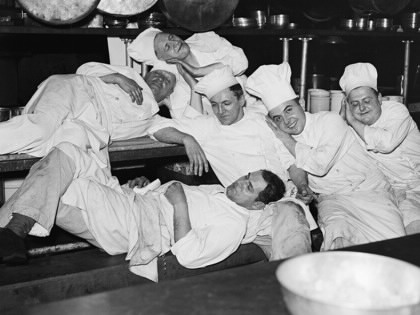
Communists Helped Build the Mighty New York Hotel Union
Before they faced fierce repression from the US government at the outbreak of the Cold War, early 20th-century Communist labor organizers helped build the New York hotel workers’ union into one of the city’s most militant unions.

“I’m Running Because It Shouldn’t Be So Hard to Live Here”
Aparna Raj is a tenant organizer and socialist running for city council in Washington, DC. We spoke to Raj about the affordability crisis in the nation’s capital and why the push for DC statehood will be crucial under a potentially Democratic Congress.

You Need This, a new documentary produced by Adam McKay, tracks the long march of consumer society from postwar suburbia to the sleeping mind.

Big Tech Quietly Demanded Immunity for Working With TikTok
After Congress banned Big Tech from working with TikTok, major tech firms like Apple and Google privately requested the Trump administration assure them they wouldn't be prosecuted under the law. The president happily granted them full amnesty.
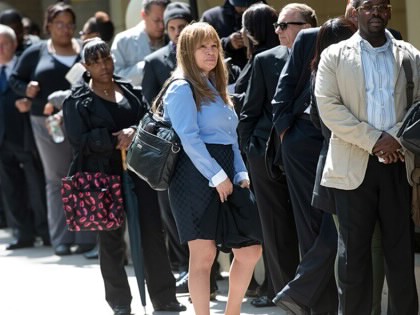
The AI Revolution Could Usher In a New Age of Stagnation
Governments and tech moguls have bet hundreds of billions on artificial intelligence. If the technology does what it promises, we will have to radically rethink how the global economy functions.
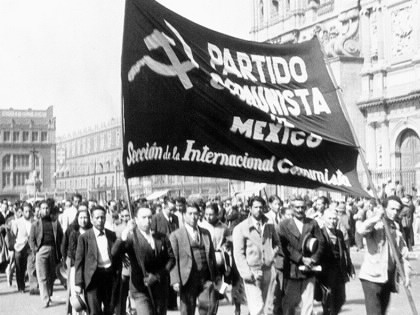
Anti-Imperialism and Its Fault Lines
In an age of renewed empire, the question of how to resist has again raised its head. The interwar Latin American left’s debates over race, nation, and class shed light on the thorny problem of self-determination within anti-imperialism.
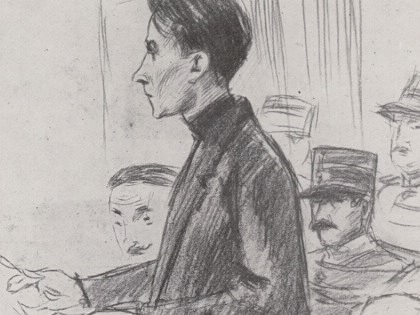
Victor Serge Was One of the Great Revolutionary Writers
Victor Serge lived through a remarkable sequence of revolutionary upheavals before dying in Mexican exile at the age of 56. Serge’s life and work, caught between hope and despair, can help us understand Europe’s turbulent 20th century.
During the Reagan administration, John Roberts was known for denouncing judicial overreach. Today he has adopted an assertive use of judicial power, using the Supreme Court’s shadow docket to fast-track corporate wins on climate and federal policy.

LA Socialists’ Debates Reflect the Left’s Growing Strength
Inspired by Zohran Mamdani’s victory in New York and building their own electoral powerhouse, LA’s socialists recently deliberated on whether to weigh in on their city’s mayoral race. The questions confronting the movement are a sign of its growing power.
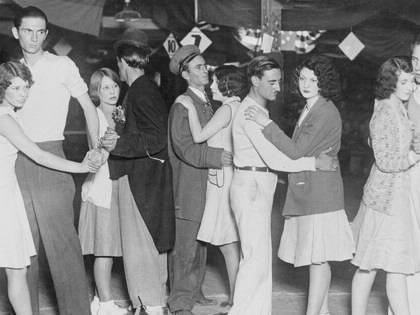
Dance Marathons Were the Forerunners of Today’s Reality TV
The dance marathons of the Great Depression have gone down in legend as a way of turning desperate people into fodder for exploitative entertainment. The spirit of the marathons is alive and well in the contemporary world of reality TV.

Socialists Are Cornering Hochul on Taxing the Rich
The movement for taxes on the rich in New York just scored its first goal against Kathy Hochul. And they say they’re not stopping there.

Dockworkers Against Russia’s and Israel’s Wars
In Sweden, workers boycotted Russian ships in response to the invasion of Ukraine, and then did the same for Israel’s arms trade. Their action shows the power of working-class solidarity against militarism.