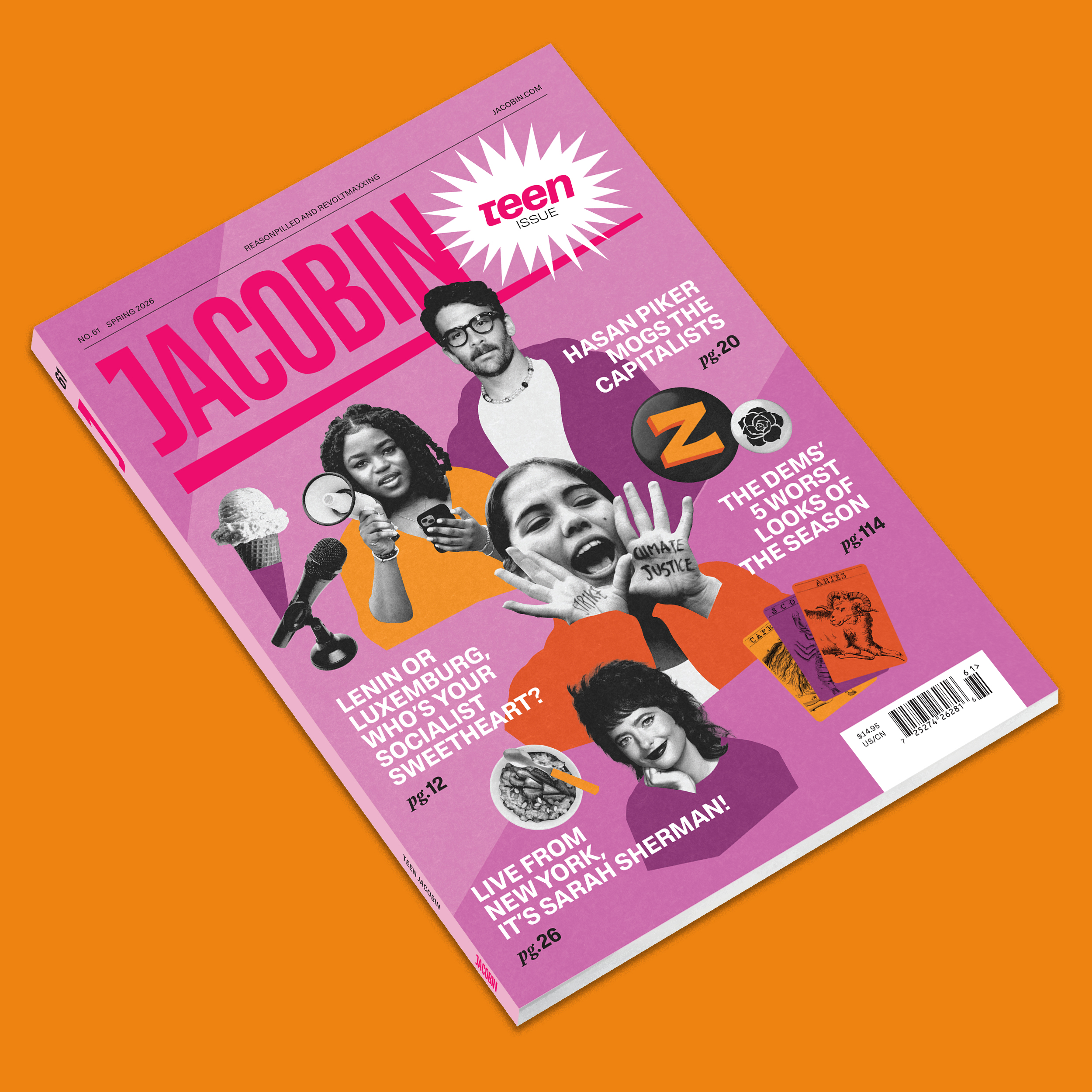
When the Pencil Was the Sword
When revolutionary Cuba asked its youth to eliminate illiteracy, 100,000 answered the call, reshaping their country and themselves in the process.
“All of [our] policies strive to inspire the youth with belief in its own strength and in the future. Only the fresh enthusiasm and aggressive spirit of the youth can guarantee the preliminary successes in the struggle; only these successes can return the best elements of the older generation to the road of revolution. Thus it was, thus it will be.”
“Teenagers in the postwar period were left with a single means of economic influence at their disposal: consumption.”
When revolutionary Cuba asked its youth to eliminate illiteracy, 100,000 answered the call, reshaping their country and themselves in the process.
Therapeutic culture risks raising a generation taught to look inward while the sources of their distress lie outside themselves.
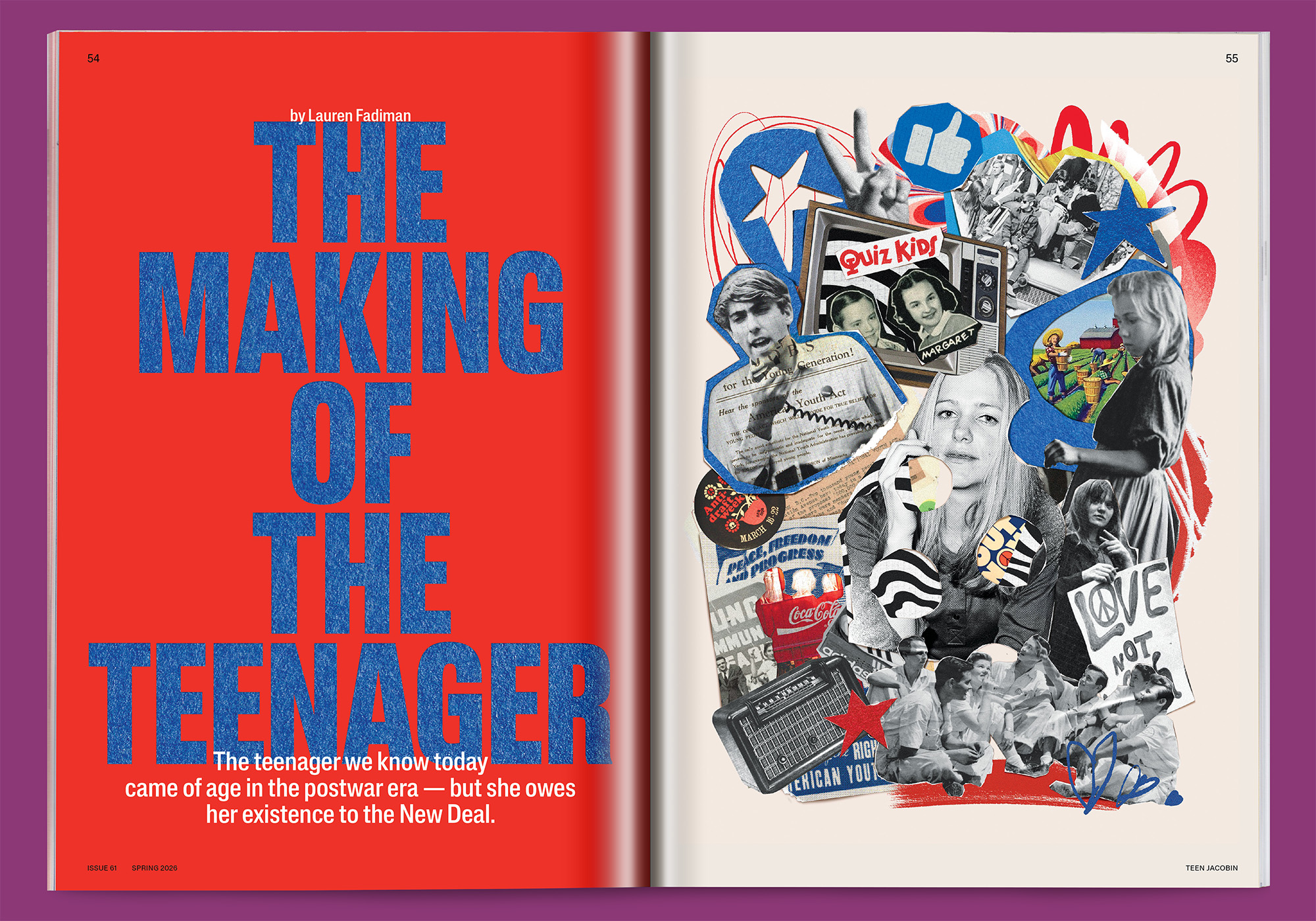
The teenager we know today came of age in the postwar era — but she owes her existence to the New Deal.
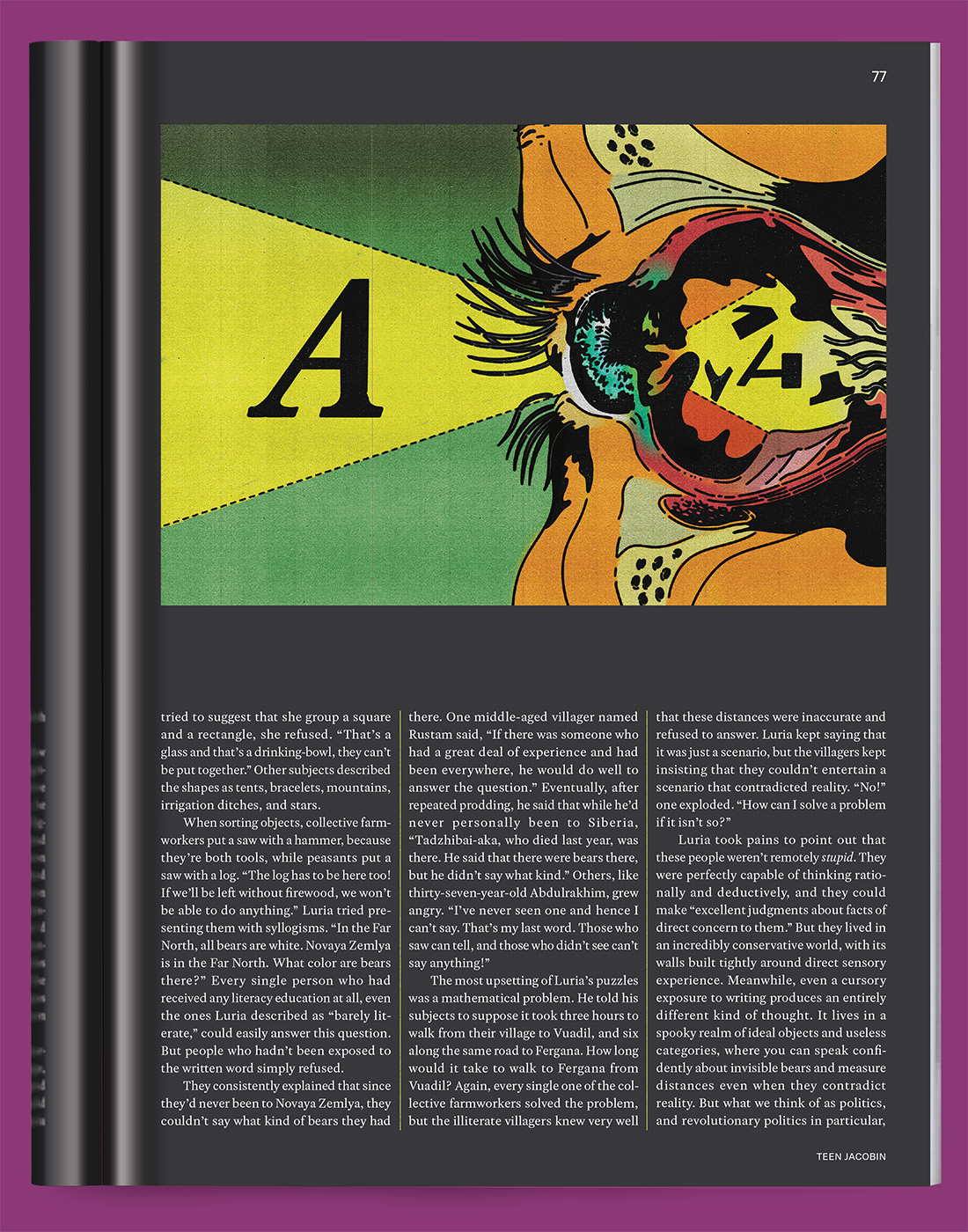
Postliteracy won’t replace reason with madness, but it might give us madness of a new and different type.
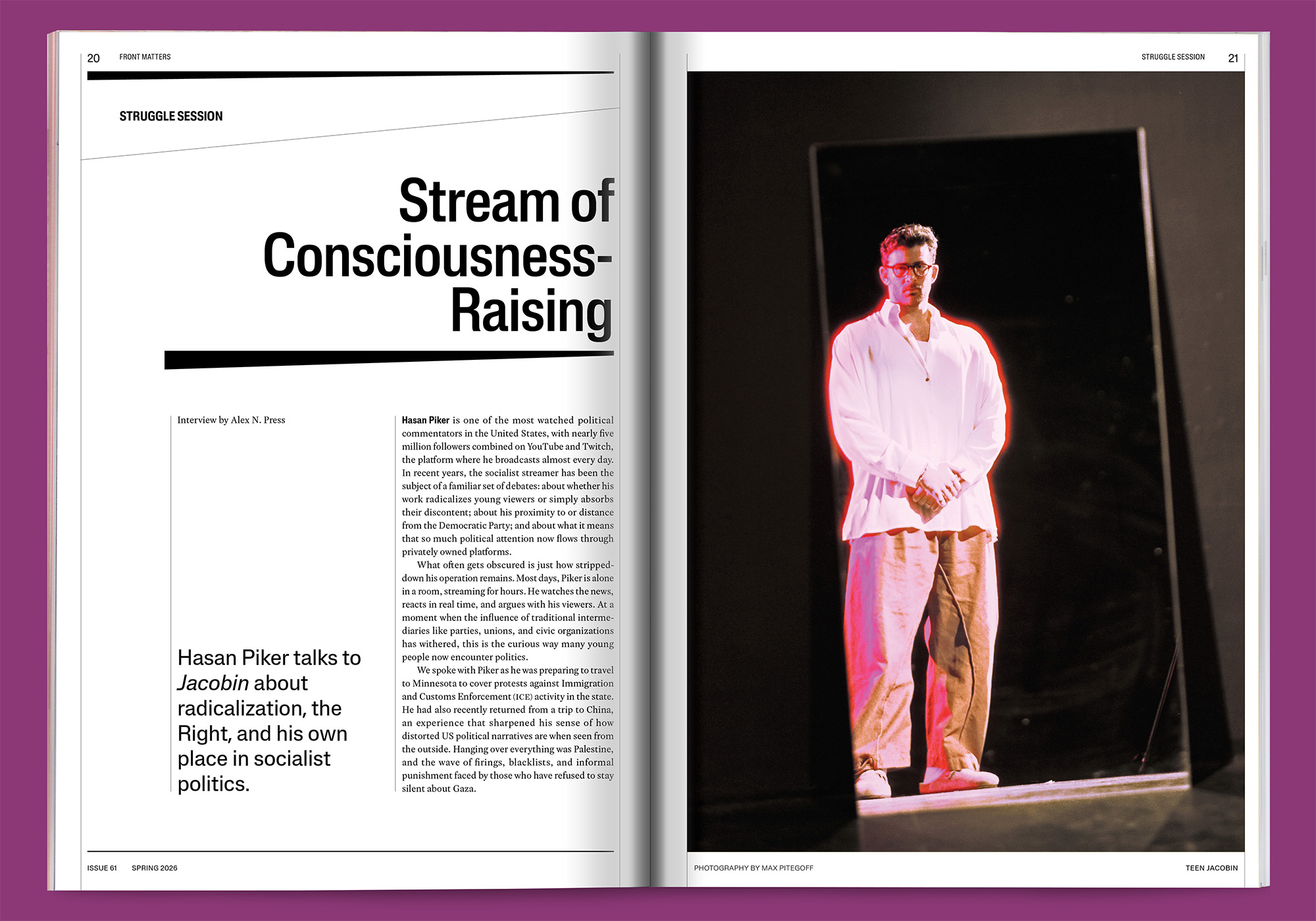
“What made me an anti-capitalist was receiving my first US health care bill at 18 years old.”
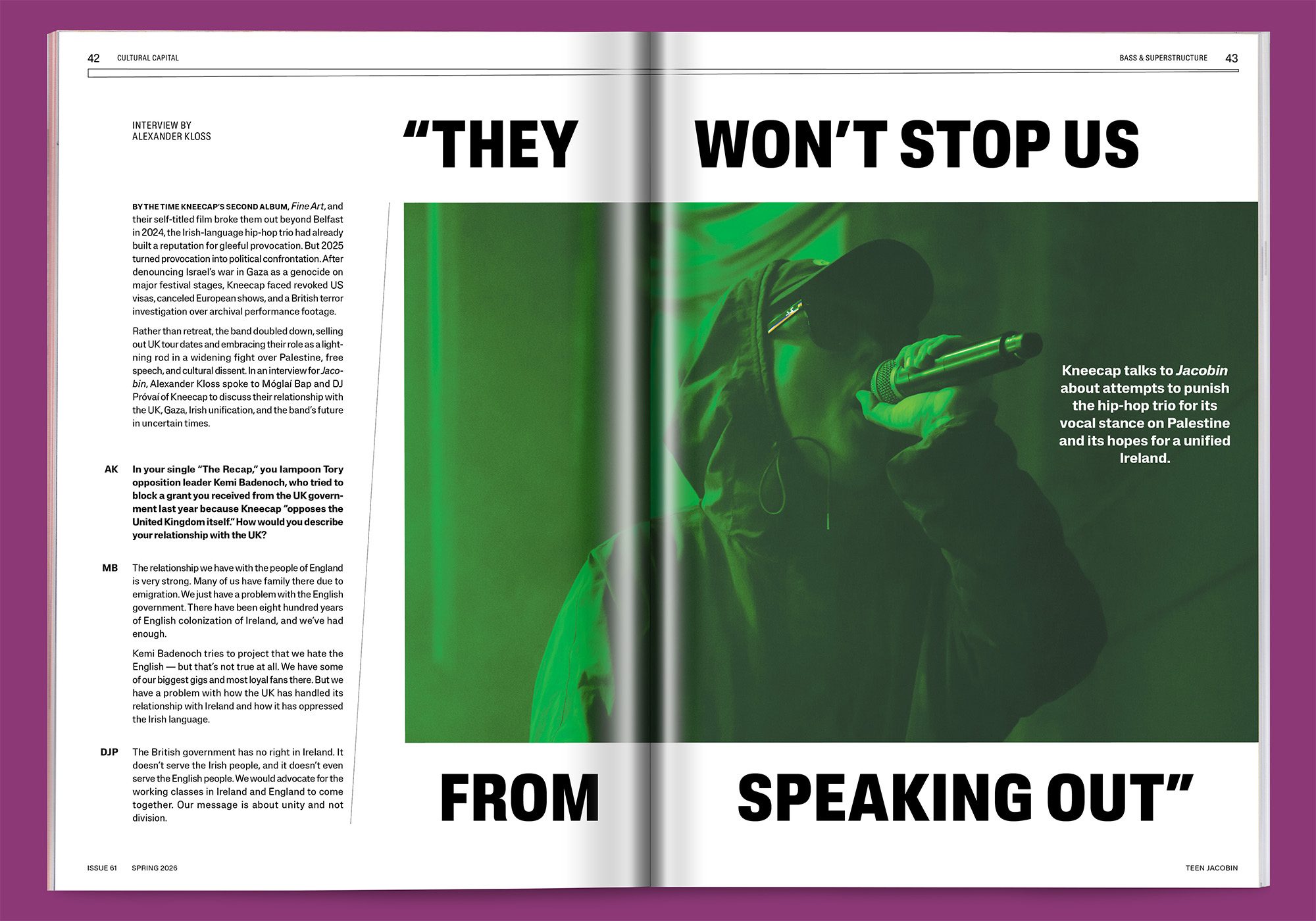
“Bands shouldn’t be feeling pressure over political agendas. The pressure should lie on the politicians and decision-makers who are responsible for children starving to death in Gaza and funding genocide.”
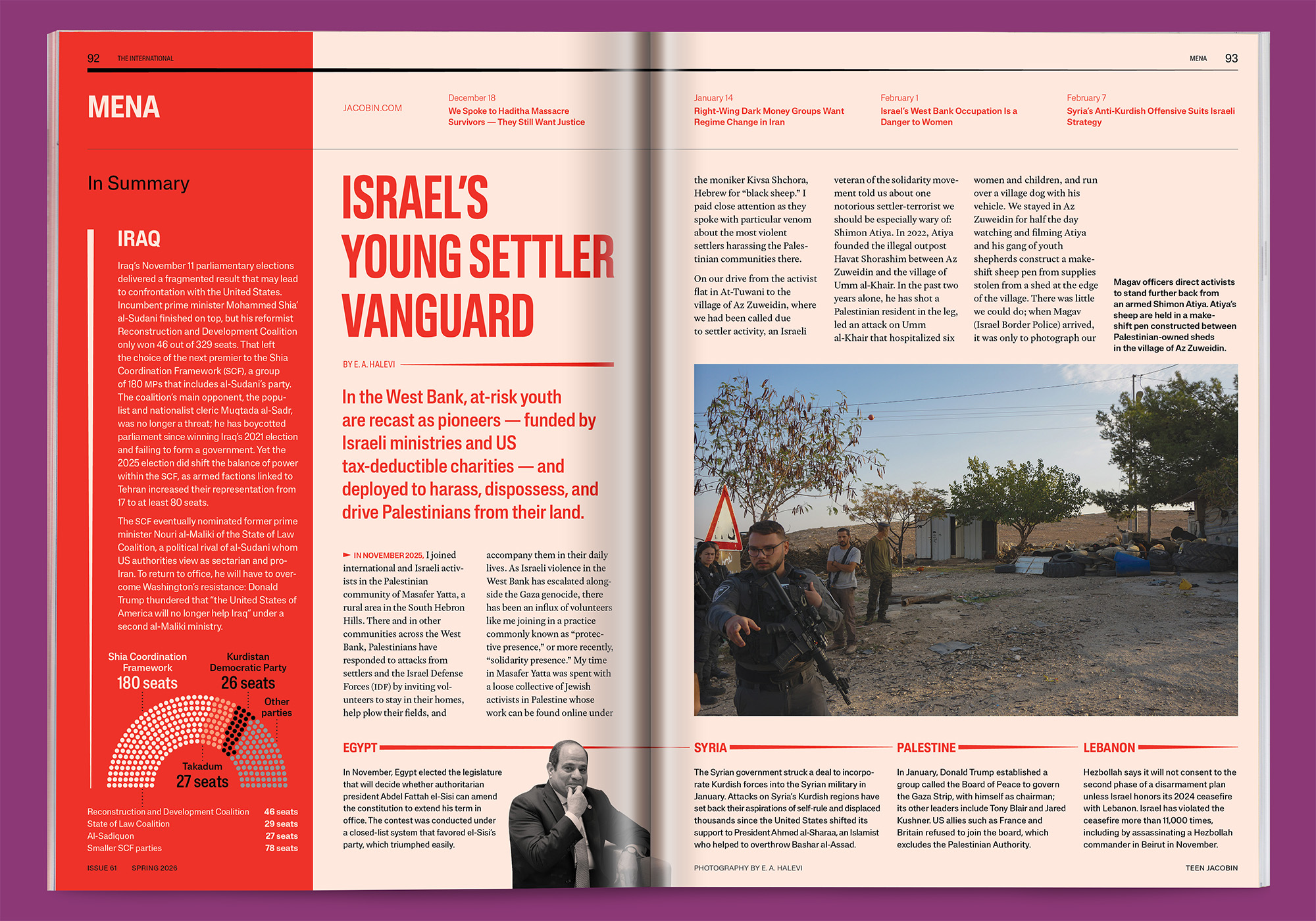
“The ‘hilltop youth’ find support and meaning working as a dedicated vanguard of settlement expansion displacing Palestinians.”
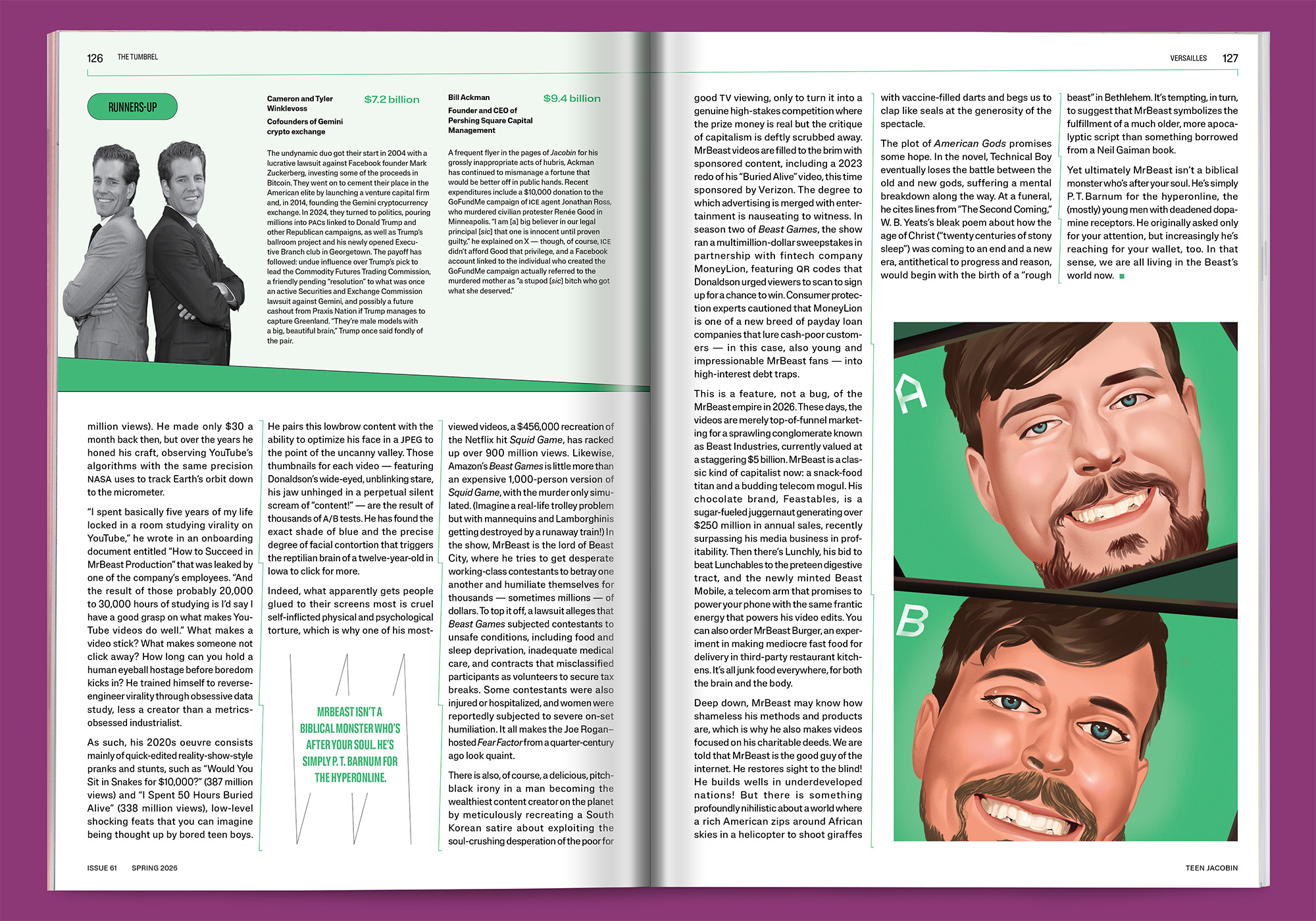
“He has found the exact shade of blue and the precise degree of facial contortion that triggers the reptilian brain of a 12-year-old in Iowa to click for more.”
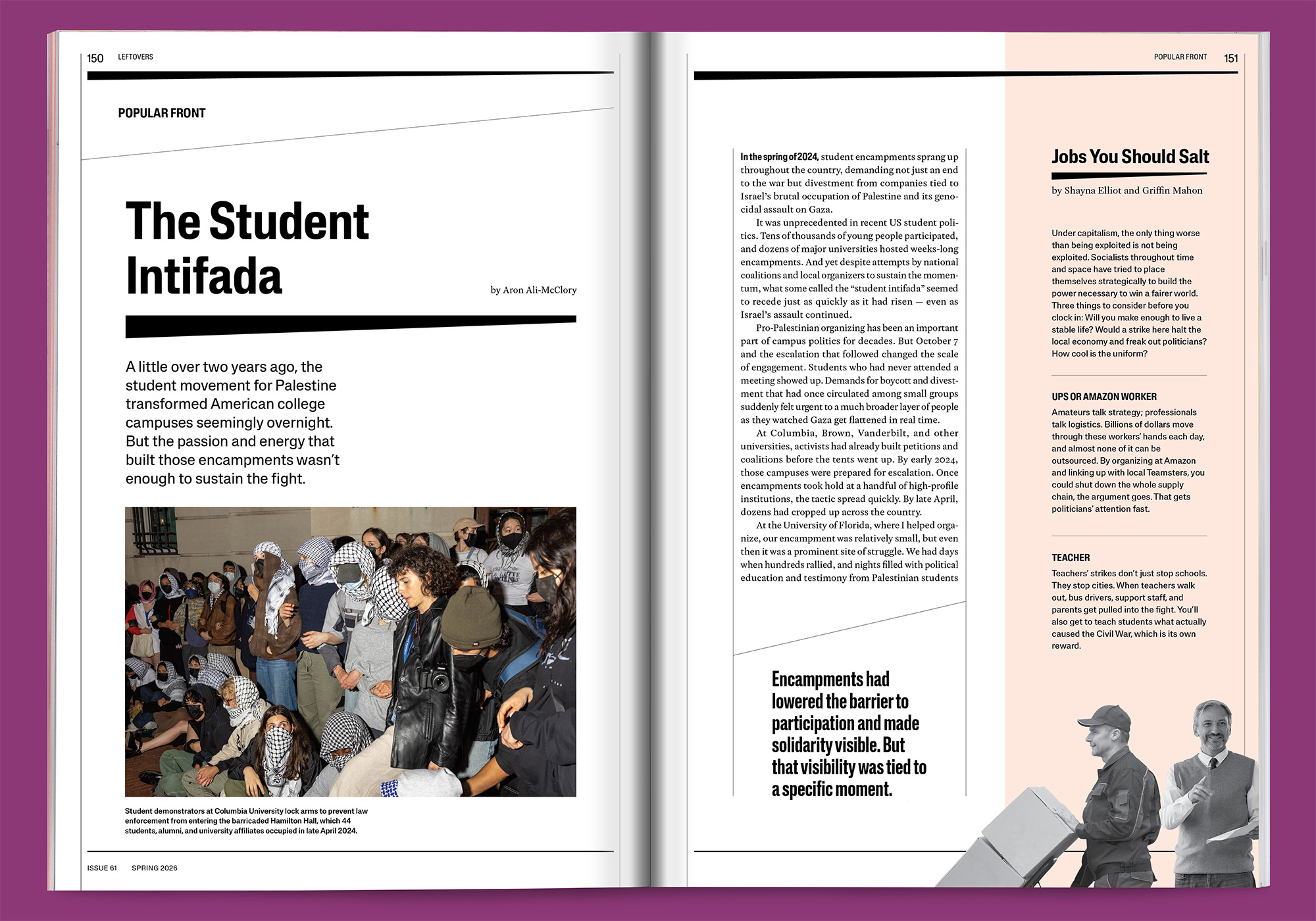
“It would be easy to tell this story as a rise and a fall — a dramatic semester that ended when police cleared the tents and summer began. But that misses what the encampments did to the people inside them.”