Fictional Teen Dystopias Reflect Real Capitalist Nightmares
Dystopian teen films will remain popular as long as they keep reflecting truths about young people’s prospects under capitalism.
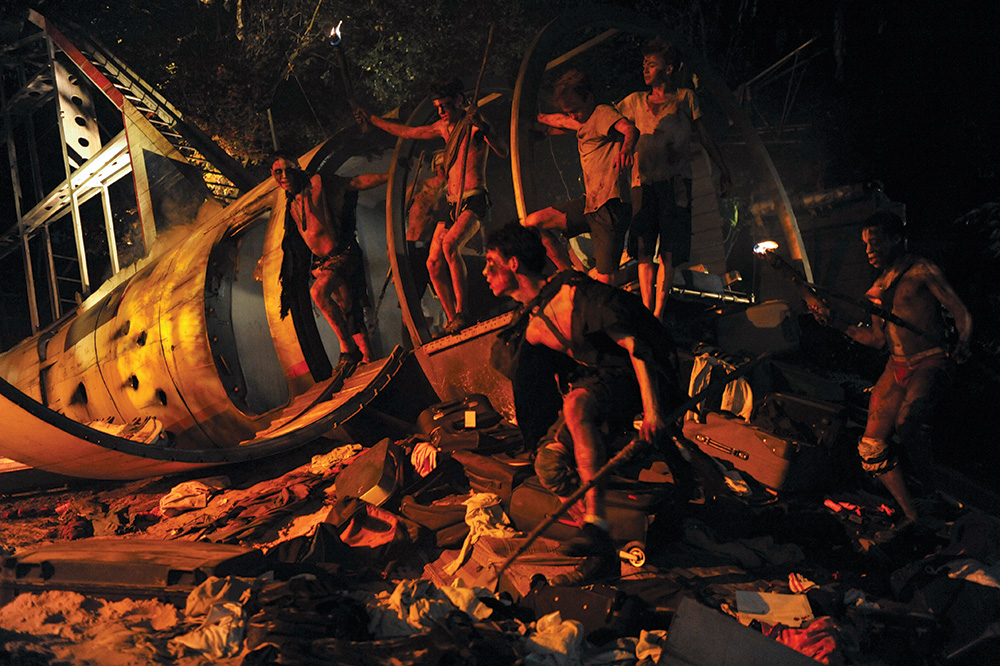
The pessimistic Lord of the Flies, which has been adapted many times for the stage and screen, was criticized after the emergence of a story about six actual shipwrecked teenagers. Rather than turning on each other, the real-life Tongan castaways lived communally for 15 months before their rescue. (Robbie Jack / Corbis / Getty Images)
It hardly takes a mastermind to figure out how the fight-to-the-death film genre works as an allegory for our cultural moment. The Edgar Wright remake of The Running Man just played in theaters a few months ago, and the South Korean series Squid Game was among the most-watched television series internationally from 2021 to 2025. We know why.
When it comes to the particular subset of these films in which adolescents are pitted against one another — think Battle Royale, The Hunger Games, and The Maze Runner — the meaning is even more obvious. We live in a modern society that sacrifices everything, most heartbreakingly children, to the brutal workings of the free market. We watch most of our young people being fed into cruel systems that chew them up just as we’ve been chewed up ourselves. They’re schooled in educational institutions that train them for mostly dehumanizing jobs in the workforce. The most desperate are shoved toward enlistment in the military, which sometimes means crippling injury and mental trauma, if not death. If they fall out of these systems into crime, they’re incarcerated in prisons, starting with juvenile detention centers built for children.
At the end of a long day, we can relax while watching the entertainment version of this story. And in many of these films and shows, the public watching of such deadly contests is typically an important part of the plot. It’s quite a hall of mirrors.