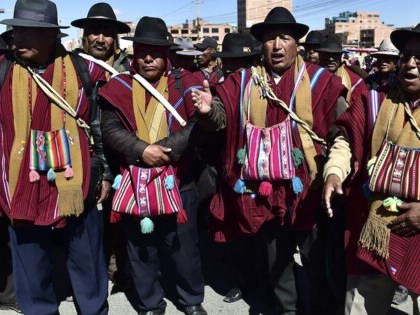
“Bolivia Is Not for Sale”
Bolivia’s new right-wing government was forced to abandon its neoliberal reform package, pushed by executive decree, following the largest mobilization of the nation’s labor movement in at least five years.
Olivia Arigho-Stiles is a postdoctoral researcher of Bolivian indigenous movements and environmental politics at the University of Manchester, UK. She is based in La Paz, Bolivia.
Bolivia’s new right-wing government was forced to abandon its neoliberal reform package, pushed by executive decree, following the largest mobilization of the nation’s labor movement in at least five years.
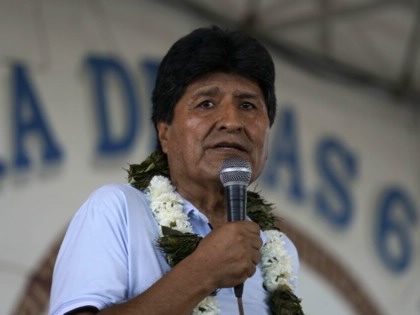
Bolivians head to the polls on Sunday amid a spiraling economic crisis and the total collapse of the Movement Toward Socialism. A right-wing victory could bring neoliberal austerity back to Bolivia, unleashing a new cycle of social unrest.
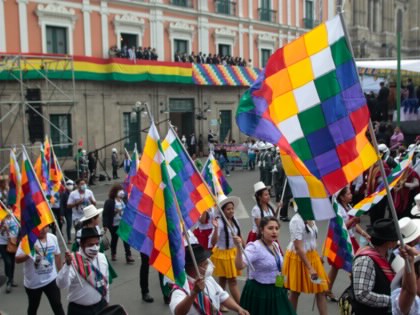
After the Bolivian ultraright launched a coup in 2019, a mass movement restored the country’s socialist government — proof that it isn’t elites that protect democracy but organized workers.
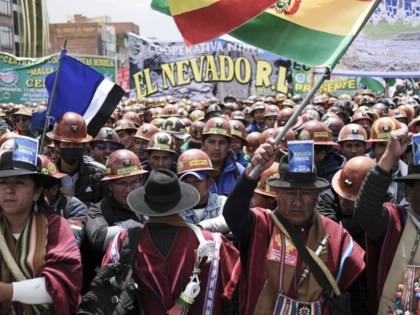
The conflict between Evo Morales and Luis Arce for the Bolivian presidency in 2025 has not only split the ruling MAS party but also the social movements and labor unions that form its base.
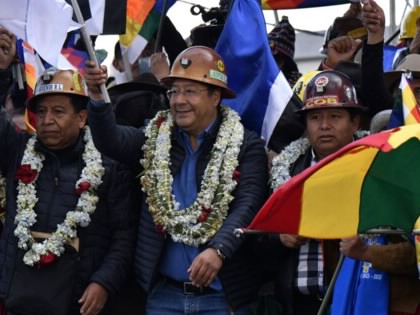
Bolivia’s governing MAS party is mired in a deep crisis, the result of political infighting and a sharp economic downturn. If the country’s leftist leaders cannot come to some agreement, the unity of organized labor and indigenous movements may be at risk.
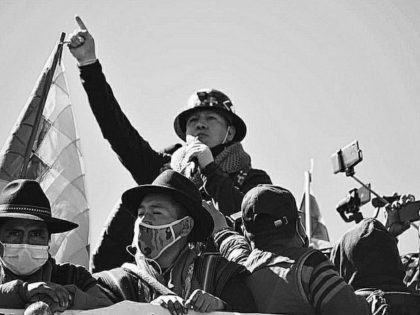
Orlando Gutiérrez, the Bolivian militant trade union leader, has been murdered by a fascist gang in Bolivia. He gave his life to the struggle for democracy, workers’ rights, and socialism. Orlando will not be forgotten. And fascism will not win.
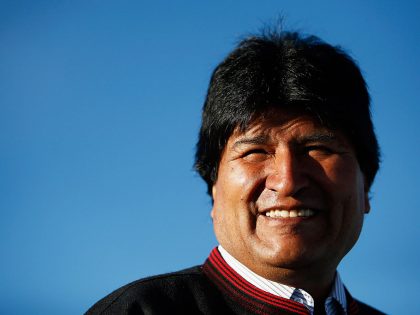
On the day of Bolivia's presidential election, we look at the legacy of Evo Morales — who won power in South America's poorest country, tripled its GDP, and lifted millions out of extreme poverty.