
Capitalism Had a Beginning and Will Someday End
Historian Sven Beckert on where the capitalist system came from, what keeps it alive, and what it would take to bring it down.
Loren Balhorn is editor in chief of Jacobin’s German-language edition.
Historian Sven Beckert on where the capitalist system came from, what keeps it alive, and what it would take to bring it down.

European leaders’ muted response to the illegal attack on Venezuela showed how afraid they are of antagonizing Washington. Now they fear Donald Trump’s plans to seize Greenland, but they have no clear plan to stop him.
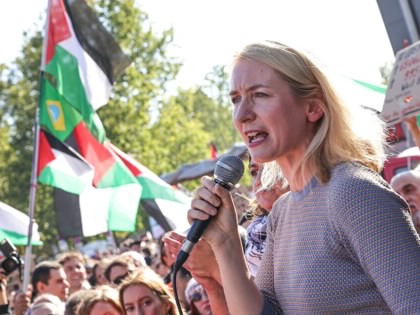
For two years, Germany’s socialist party Die Linke tried to skirt around its divisions over Gaza. Joining last Saturday’s massive demonstration in Berlin, its leaders finally showed the party can be a clear voice against the genocide.
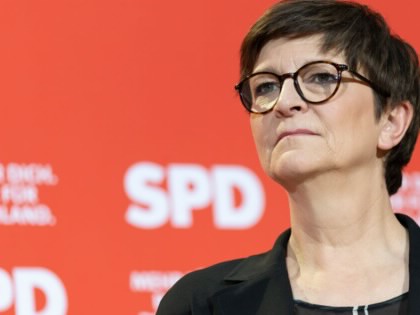
German Social Democrat leader Saskia Esken was elected in 2019 promising to return the 150-year-old party to its roots. Her quest to change this establishment party was likely doomed all along — and now it’s shifting even further to the right.
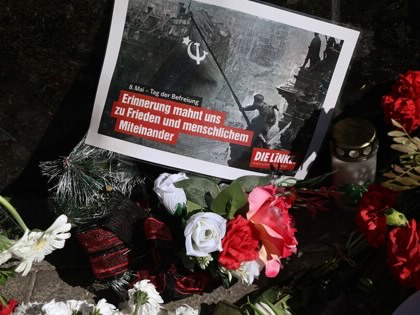
In Germany, public discussion of Victory Day has mostly revolved around the ban on Russian officials attending commemorations. The dispute risks losing sight of the real history of World War II — and how relevant it remains in an era of growing far-right threats.
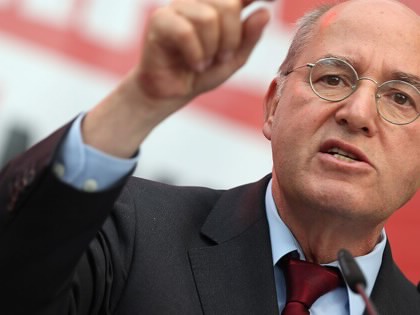
Ahead of Sunday’s German election, left-wing party Die Linke has enjoyed a surprise resurgence. Longtime leader Gregor Gysi told Jacobin about what’s changed — and how a new generation of activists can take the party forward.
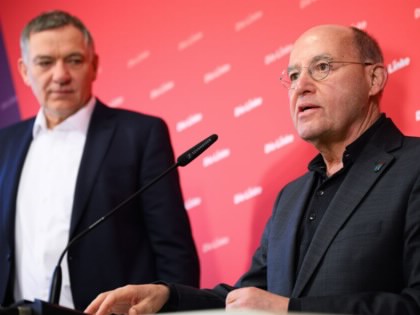
A burst of enthusiasm among the membership has given Germany’s socialist party Die Linke what might be its last chance at renewal. But becoming a party of the working class will take a lot more than a last-minute turnaround at the polls.
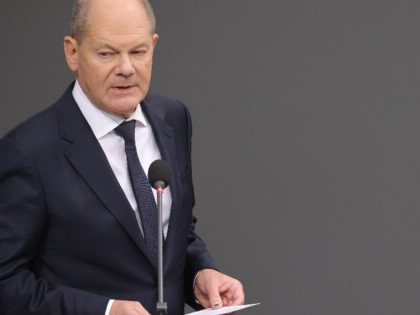
The center-left victory in the German election three years ago was hailed as the rise of a progressive coalition. The government it created achieved little real progress — and it has now collapsed, without even completing its term in office.
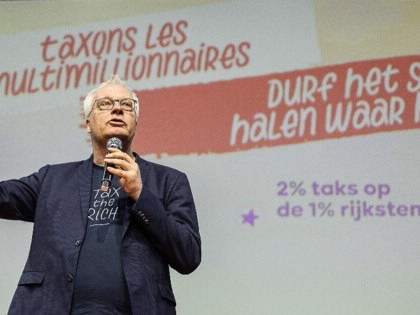
Western hegemony is in decline, and the Left has to reckon with a new international balance of power. Peter Mertens, general secretary of the Workers’ Party of Belgium, spoke to us about what the “mutinies” in the Global South mean for socialist strategy.
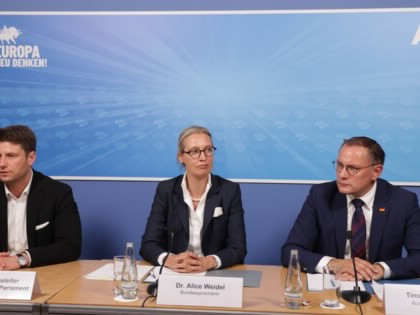
The far-right Alternative für Deutschland came second in the European elections but fell short of expectations. Now its leadership is riven by conflicts both internal to the party and among the broader European far-right milieu.
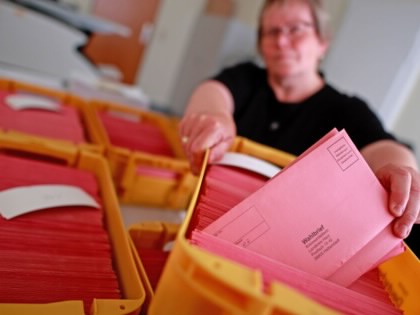
Left-wing parties like Die Linke and Podemos look set to perform poorly in this weekend’s EU elections. Working-class voters are far from happy with the current EU leadership, but the Left is failing to convince them that it can change things.
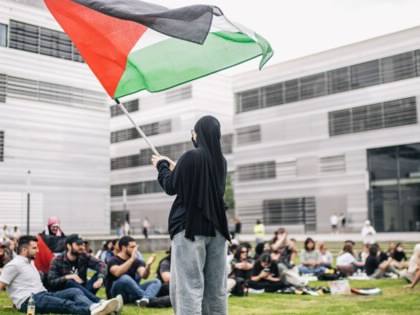
As Israel destroyed Gaza’s universities, German academic leaders condemned students who protested against it. Now, as Israel invades Rafah, they’re stepping up their repressive effort — using police to make sure US-style campus occupations never take root.
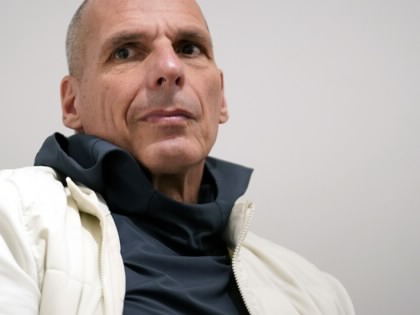
Yanis Varoufakis was scheduled to deliver a video message to a Palestine conference in Berlin on Friday — but police shut down the event. Varoufakis tells Jacobin how the Germans silenced him and why they’ve now banned him from entering the country.

A century after Rudolf Steiner, Germany is still in thrall to a spiritualist message that emphasizes the healing power of nature.
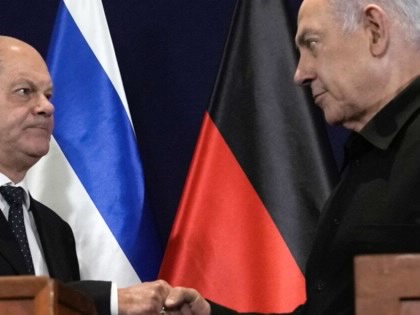
Germany’s political establishment strongly supports Israel’s war in Gaza, sending messages of “solidarity” as well as weapons. Nicole Gohlke, an MP for left-wing party Die Linke, writes for Jacobin on why Germany should instead be calling for a cease-fire.
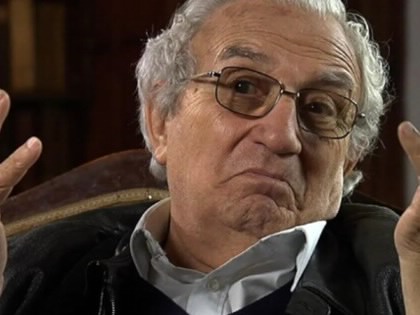
The Jewish Communist partisan Angel Wagenstein was sentenced to death in 1944 — but he lived until 2023. From his Bulgarian homeland to postwar East Berlin, the filmmaker and novelist devoted his century of life to telling the stories of the persecuted.
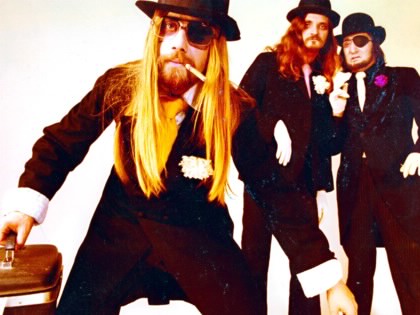
Theatrical in their performances and Marxist in their politics, Floh de Cologne were one of the most remarkable bands to come out of West Germany’s Krautrock scene. The band tells Jacobin about their time as Europe’s only communist prog-rockers.
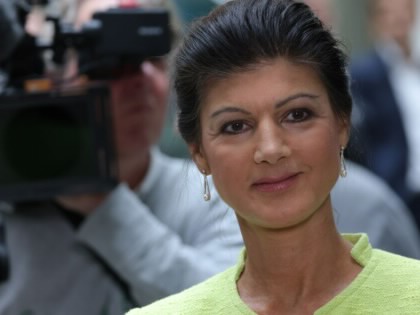
One of Germany’s most divisive politicians, Sahra Wagenknecht has quit the left-wing party Die Linke to form her own vehicle. Her new party has a strong “anti-establishment” aura — but behind the rhetoric is the call to return to an old class compromise.
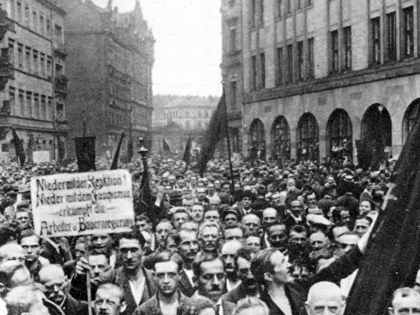
In 1923, with Germany gripped by hyperinflation and far-right insurgents, Social Democrats and Communists formed a joint government in Saxony. It was a pioneering experiment in working-class democracy — before the military overthrew it.
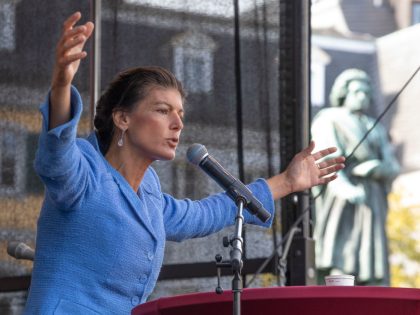
Germany’s Die Linke is set to split, as former leading light Sahra Wagenknecht threatens to start her own party. The two sides have rival ideas on how to market themselves to voters — but neither has a strategy for building a working-class movement.