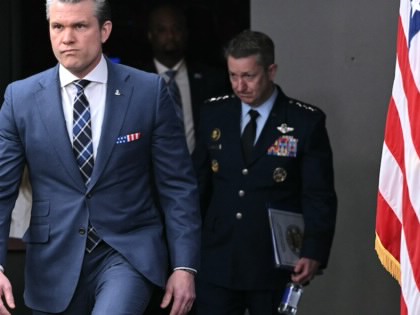
We Aren’t All Complicit in US Warmongering
US military operations like Donald Trump's war on Iran are carried out in all of our names. That doesn't make us collectively to blame for them.
Clark Randall is a journalist and PhD student at Brown University. He researches urban planning, municipal finance, and the politics of public pension funds.
US military operations like Donald Trump's war on Iran are carried out in all of our names. That doesn't make us collectively to blame for them.
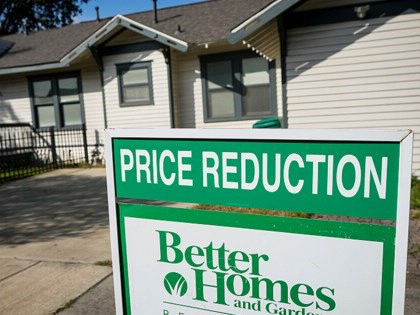
After the pandemic, many younger Americans were encouraged to buy housing in “starter cities.” But now the homes are losing value, and property taxes are soaring, pitching the housing market into crisis.

The stock market is touching near all-time highs, while Americans’ credit scores are hitting an all-time low. Indicators of a dynamic business environment couldn’t be further from a realistic picture of ordinary citizens’ economic position.
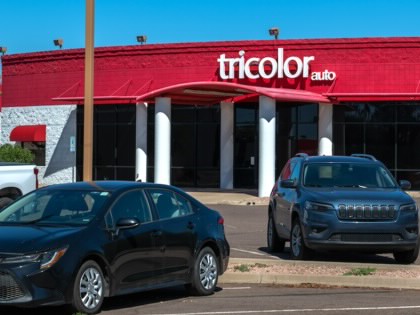
Huge bankruptcies for used car firms have exposed Wall Street’s entanglement with the sector. Far from derisking after the Great Recession, banks rebuilt the economy on obscure financial intermediaries that are now sinking.
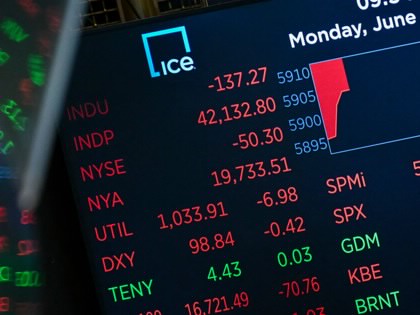
Even as pain, fear, and tariffs dictate economic outlooks, the huge companies losing billions in market capitalization can expect to recover. The millions of lower-income Americans with investment accounts tied to these same firms may not be so lucky.

Turn on any ESPN or Fox Sports show and you’ll hear anchors discussing spreads, Vegas odds, and laying points. The rise in sports gambling is a boost for states’ tax revenues — but it’s a disaster for the often low-income young men losing their money.
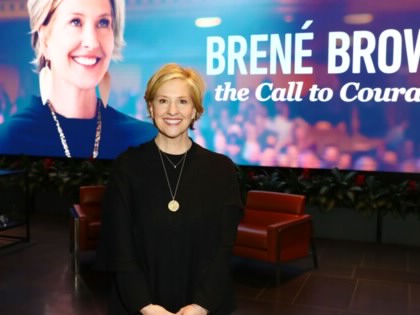
Self-help guru Brené Brown is calling for using the tools of “radical vulnerability” for dialogue in Israel-Palestine. The result is a vapid plea for empathy for both sides that shies from confronting the massacre actually underway in Gaza.
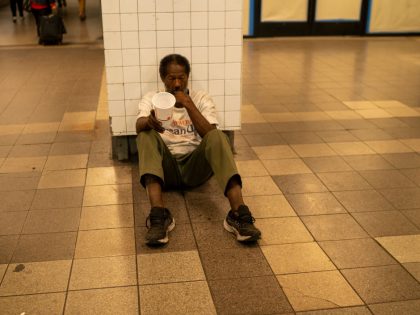
For centuries, US capitalism has let a minority profit while leaving millions of others destitute. The moralistic idea that we’re all partly to blame ignores the systemic causes of poverty and offers no hope of building solidarity.

Options trading is sold as a way for average people to make money off the stock market. But it’s not: small-time investors are being systematically fleeced.
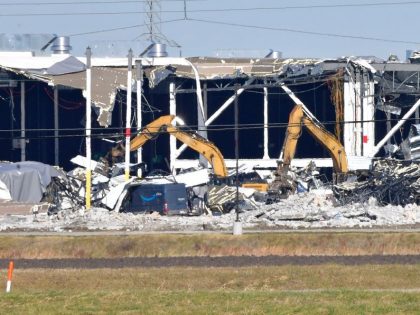
Six workers were killed last month because Amazon insisted they keep working during a tornado. The corporation's poor safety record and sky-high staff turnover are caused by one thing: treating people as disposable is better for Amazon’s profits.

The start-up trading app Robinhood invoked Occupy as it promised to fix a "rigged" financial system. But the firm now faces class action lawsuits for scamming its millions of novice customers — showing that "democratizing" finance is just a way of finding more people to prey on.
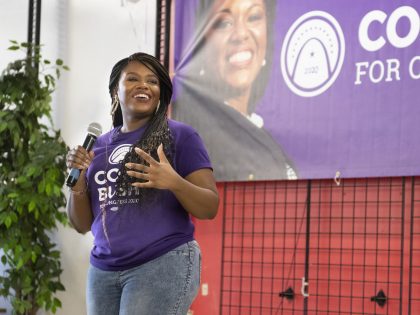
Earlier this month, Cori Bush ousted a ten-time incumbent to become Democratic nominee for Missouri’s 1st congressional district. She told Jacobin how her experience as a BLM and public housing activist shaped her campaign — and how she’s planning to bring the movements’ demands into Congress.
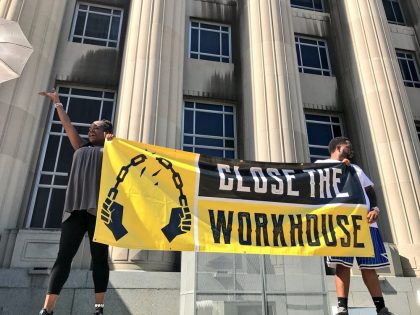
In St. Louis, the demand to defund the police has dovetailed with long-lasting struggles against cash bail and the abuse of prisoners. The Board of Aldermen’s passing of a bill that promises to start closing the city’s most notorious jail reflects the movement’s strength — but also the need for pressure to ensure that abolitionist demands are not watered down into merely cosmetic reforms.