115,000 US Railworkers Could Strike in a Matter of Weeks
In a new survey, the overwhelming majority of railroad workers say they reject a proposed settlement that fails to improve their draconian working conditions. They could strike as soon as September 16.
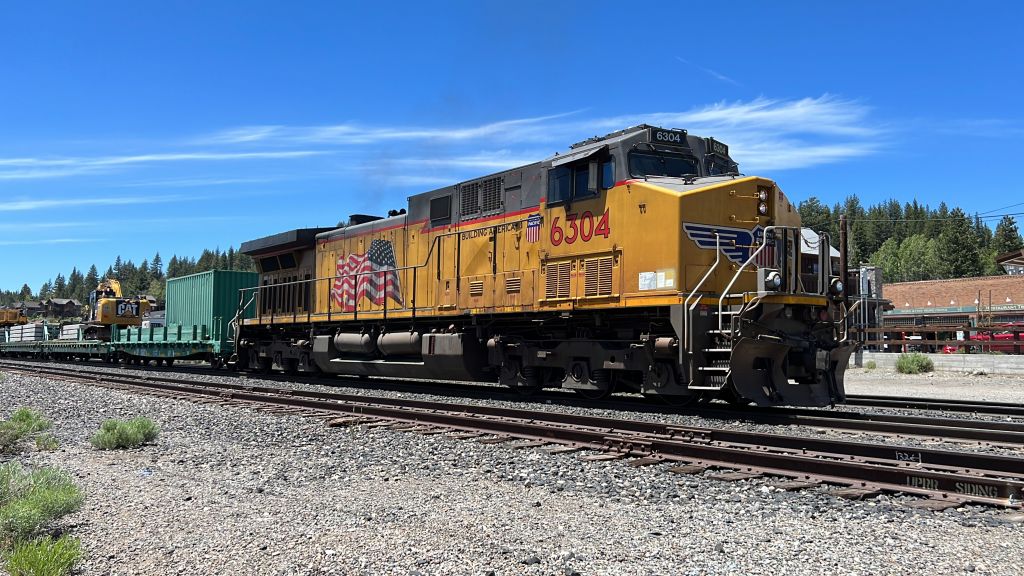
A national rail shutdown, which has not occurred since the early 1990s, would have a major economic impact. (Getty Images)
Railroad unions continue their slow creep along the path to a settlement — or strike — in contract negotiations covering 115,000 workers. On August 16, the Presidential Emergency Board (PEB) convened by President Joe Biden issued its recommendations for a settlement. Many railworkers say they fall short and are prepared to strike to win more.
The PEB recommended 22 percent raises over the course of the five-year contract (dating back to 2020), which would be the highest wage increases rail unions have seen in decades. But they are offset by increases in health care costs — and come in the midst of high inflation.
The PEB also refused to touch almost any of the unions’ demands on work rules and conditions, either denying them outright or suggesting that the unions return to the slow negotiation and arbitration process they have already languished in since November 2019. Unions have been demanding a sick leave policy — railworkers have no sick days — and the PEB refused them. The PEB also refused to take a position on the strict attendance policies that have infuriated many railworkers.