“Generous” Billionaires Are Part of the Problem
Modern-day elite philanthropy serves the same purpose as it did in the days of the robber barons: reinforcing the power of the rich.
Luke Savage is the author of The Dead Center: Reflections on Liberalism and Democracy After the End of History and a writer on Substack.

Modern-day elite philanthropy serves the same purpose as it did in the days of the robber barons: reinforcing the power of the rich.

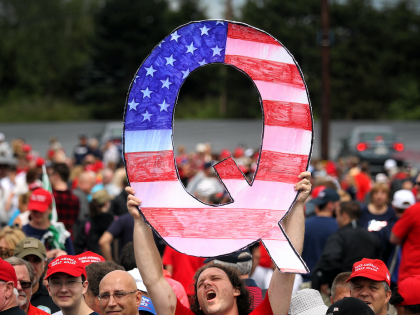
With his HBO documentary series Q: Into the Storm, filmmaker Cullen Hoback manages to demystify QAnon, exposing the mechanisms that underpin the right-wing conspiracy theory — above all, how it gives its followers a way of making sense of the spectacular failure of so many powerful institutions.

WeWork, the coworking start-up once valuated at $47 billion, was a cult masquerading as a company pretending to be a movement. Focusing on its “charismatic” CEO, Adam Neumann, a new Hulu documentary misses a chance to expose the irrationality and waste of an economic system that lets such charlatanism thrive.

Despite labor’s recent defeat at Amazon in Alabama, the current moment holds out cautious hope for the movement — not least because of a solid majority in favor of trade unionism in American public opinion.

When human rights lawyer Steven Donziger won a multibillion-dollar lawsuit against the oil giant Chevron, the company retaliated by setting out to destroy Donziger’s life. Now in his twentieth month of house arrest on the orders of a Chevron-linked judge, his Kafkaesque story is a window into the corrupt and corporate-captured US legal system.

A coalition of ultra-wealthy oligarchs and Republican leaders is conspiring to kill HR 1, the landmark voting rights bill that will be up for a vote this year. In a newly uncovered secret recording, the conspirators bemoan the unpopularity of their effort — even with rank-and-file conservatives — and underscore how conscious they are that their antidemocratic agenda depends on curtailing democracy.

HBO’s QAnon documentary has been criticized for its hands-off approach to its subjects, who include some of the most reactionary characters on the internet. But the film is a deft portrayal how a dangerous conspiracy theory could emerge from the internet’s fever swamps and cause real world damage.

The danger posed by California’s Proposition 22, the tech-backed ballot measure that dismantles existing labor protections for gig workers, isn’t just about low wages and poor working conditions. It signals the creation of an entirely new kind of servant class.

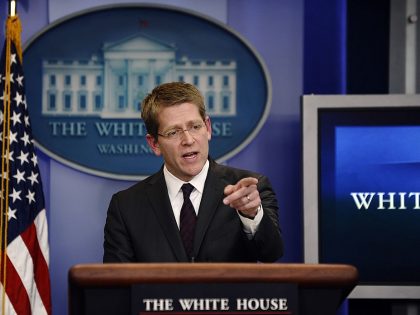
It’s not just Jay Carney, the former Obama spokesman who now leads capital’s side of the class war at Amazon. A whole cohort of Obamanauts — those bright, young idealists who wanted to change the world — have positioned themselves in roles in the private sector where they can most effectively be part of the problem.

The pandemic has been taking the existing injustices of capitalism and exaggerating them to the point of cartoonishness. A case in point is a recent study that finds Wall Street bonuses have grown by more than 1,200% since the 1980s — while the federal minimum wage hasn’t been raised in over a decade.

The spectacle of Harry and Meghan’s reinvention as a standard-issue, new money California couple shows that the British monarchy’s ability to resist the cultural demands of late capitalism is reaching a breaking point.

In their crusade against a cartoon Bigfoot, the right-wing snowflakes who govern the Canadian petro-state of Alberta have taken conservative culture warfare to its absurdist conclusion.

Socialists can and should continue to fight to banish corporate money from elections. But Canada is a case study in the limits of campaign finance reform. We need more radical action to limit the power of the rich in politics.

For years, we were given reactionary tropes about welfare queens and the need to cut the deficit. But now there’s popular recognition that state action is needed to boost the economy and help working people. We need to make sure that the age of deadly austerity never comes back.

If the Labour Party has a future, MP Jon Trickett argues in Jacobin, it needs to unite divided workers and win postindustrial regions with a clear economic program and the rhetoric of class, not culture, war.

A wave of Democratic lawmakers from across the political spectrum have now called for New York’s governor to resign. Chuck Schumer and Kirsten Gillibrand have conspicuously failed to follow suit.

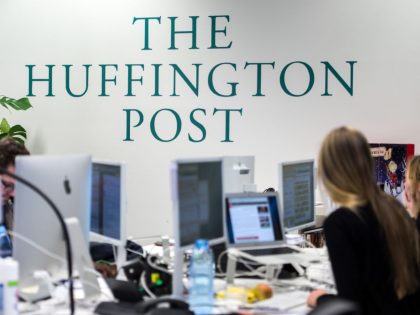
A massive round of layoffs at the Huffington Post confirms that the media industry stands at the edge of a precipice. The only way it can shield itself from the whims of sadistic media baron owners who care nothing for journalism is by looking beyond capitalist ownership.

There are moments when even the most committed of democrats find themselves despairing of political democracy. But the system has proven again and again to be the last best hope of ordinary people in defending their pursuit of happiness against tyrants of all stripes — both public and private.

Watching Meghan Markle and Prince Harry talk to Oprah about the depraved monarchy last night, I couldn’t help but wonder why I live in a country where the Queen is the head of state. Canada needs to dump the British monarchy and never look back.

Despite the pious wishes of many leading Democrats, the “good old” Republican Party is never coming back. Over the past four decades, GOP leaders set out to transform the party into the perfect vessel for Trumpian extremism — and they succeeded beyond their wildest nightmares.