To Understand Capitalism, We Have to Understand Shipping and Oil
There is no twenty-first-century capitalism without the shipping and oil industries. And understanding the global economic system means understanding their operation in the Arabian Peninsula.
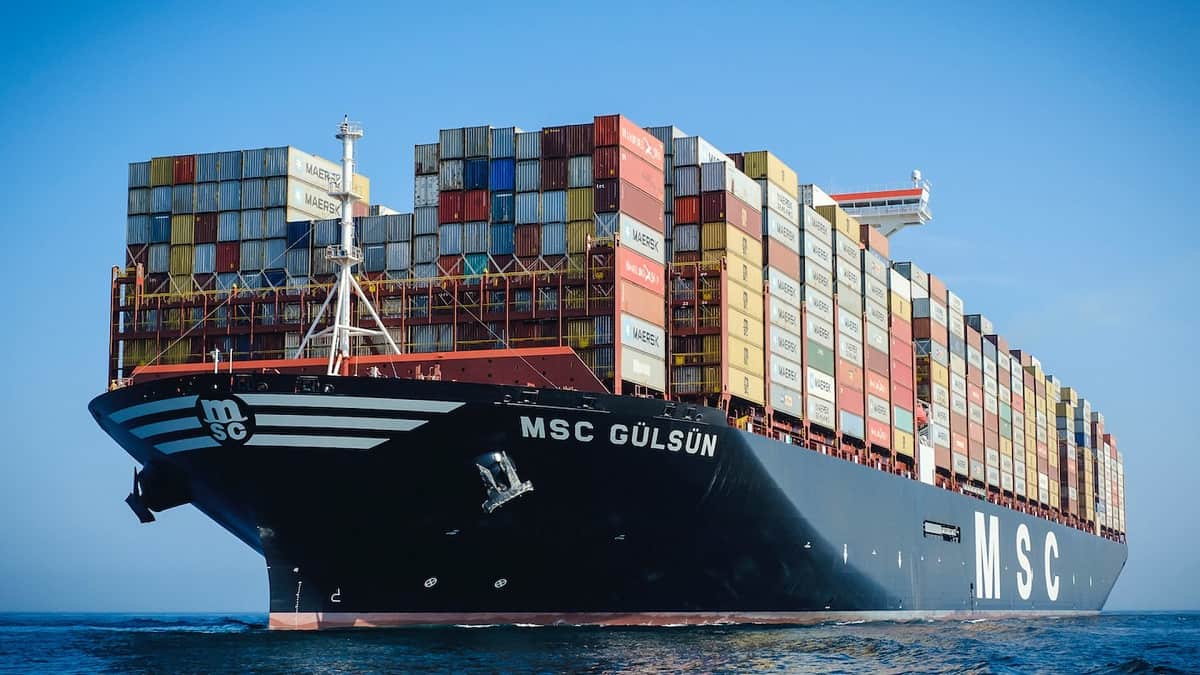
The MSC Gülsün, a 23,756 TEU box ship. (Mediterranean Shipping Company)
In 1948, dockworkers in the British colony of Aden struck. Their employer, the Anglo-Iranian Oil Company (AIOC, later renamed British Petroleum), paid starvation wages, as the company’s own reports admitted. As the strike spread, the port’s shipping companies, which had enjoyed enormous profits during and after World War II, aligned to resist their impoverished workers’ demands.
Capital unleashed its normal array of countermeasures: firing strikers, recruiting scabs, and enlisting pliant police to arrest, beat, and repress. After weeks on strike, AIOC caved and granted modest raises. Crying crocodile tears, other companies refused, claiming they could not afford to pay workers pennies more per day. They also feared “the surrender of [the] White man’s prestige.”
Laleh Khalili tells this story in her sweeping book, Sinews of War and Trade: Shipping and Capitalism in the Arabian Peninsula. The subtitle accurately conveys the book’s main focus, but she examines much more. The region’s oil and shipping industries are central to the making of the modern world. After all, an incredible 90 percent of all world goods travel via ships, and crude oil alone makes up 30 percent of maritime cargo.