Andrew Bonnell is a professor of history at the University of Queensland. His publications include Red Banners, Books and Beer Mugs: The Mental World of German Social Democrats, 1863-1914, Robert Michels, Socialism, and Modernity, and Revolutions in Modern German History.
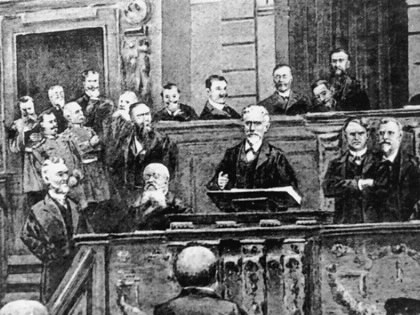
German imperialism was responsible for the first genocide of the 20th century in its Namibian colony. The country’s socialist movement spoke out vehemently against the atrocities, offering solidarity across the barriers of race and geography.

In his book Political Parties, Robert Michels argued that mass movements have a natural tendency to develop undemocratic structures. Michels had some sharp insights into the nature of bureaucracy, but his “iron law of oligarchy” was seriously flawed.
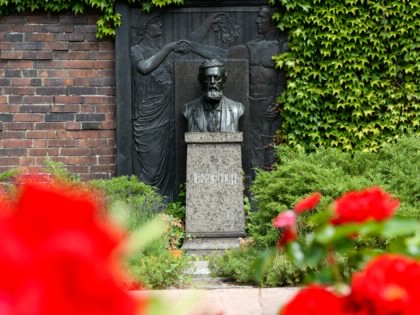
Wilhelm Liebknecht took part in Germany’s failed revolution of 1848 and became a close ally of Karl Marx in exile. He went on to lead the Social Democratic Party, which defied state repression to become the world’s most formidable working-class movement.
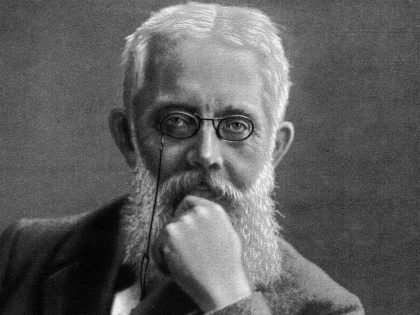
Franz Mehring joined the fledging socialist movement in Bismarck’s Germany and became one of its most brilliant propagandists. From his historical writings to his biography of Karl Marx, Mehring left behind a vital body of work for Marxists to draw upon.
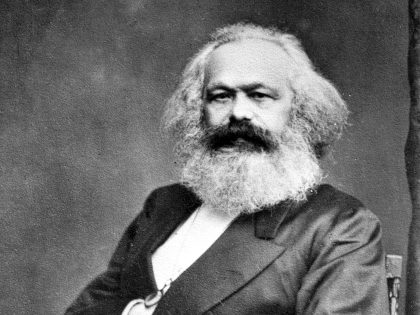
It’s important to place the leading figures of Marxism in the context that shaped them. That context has to include the repressive state structures and extreme inequalities of Europe in the early 20th century, which made revolution seem inevitable.