The US Is Spending Billions to Bomb Iran
The Trump administration has spent around $24 billion in public funds on its war against Iran so far. Here’s what that money might have been used for instead.
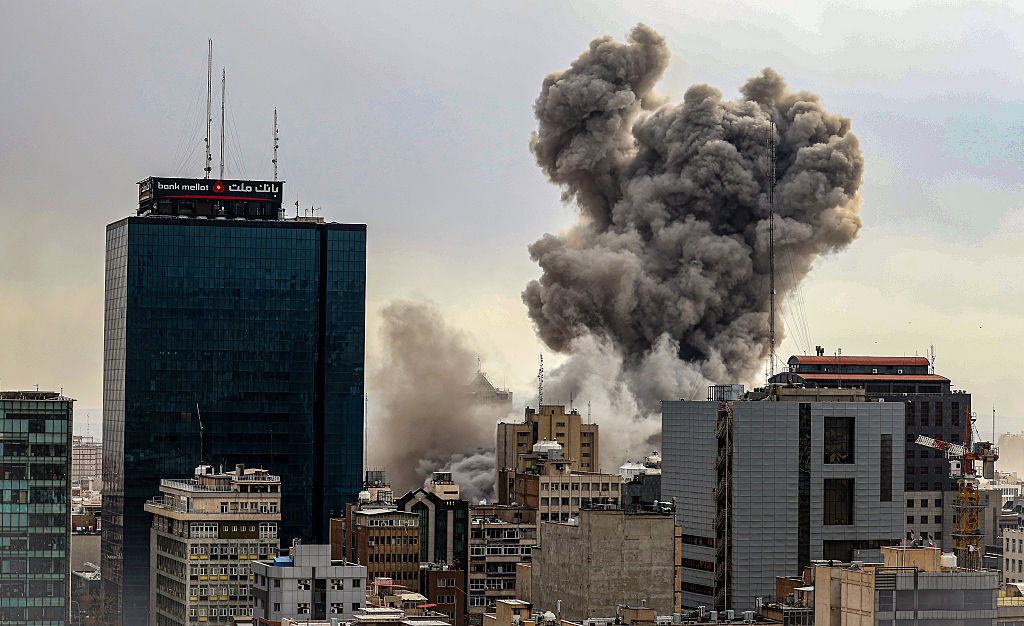
The $24 billion that the US has spent bombing Iran could have been spent on any number of useful programs instead, from public broadcasting to paid leave to making the child tax credit permanent. (Getty Images)
In the first six days of war on Iran, the Pentagon spent $11.3 billion in taxpayer funds. By its own estimates, it has burned through approximately $1 billion more every day since. That amounts to approximately $24 billion — or more than $41 million an hour, or roughly $11,000 per second.
To understand the scale of such spending, it’s worth looking at what else that money could have paid for. The US Agency for International Development — which led overseas humanitarian efforts until it shut down last year after the Trump administration gutted its programming — oversaw just $35 billion in appropriations in 2024 alone. One Harvard researcher estimates that recent aid lapses have already caused hundreds of thousands of deaths abroad due to disease and malnutrition.
The Corporation for Public Broadcasting, which distributes more than $500 million in federal funds annually to 1,500 public media outlets, including the Public Broadcasting Service (PBS) and National Public Radio (NPR), voted to dissolve in January following nearly sixty years in operation. That came after the Trump administration slashed $1.1 billion from its funding for 2026 and 2027 — roughly equivalent to a single day’s worth of fighting in Iran.
Meanwhile, now-abandoned Biden administration plans to institute federal family and medical leave were projected to cost roughly $22 billion a year to guarantee all private sector workers twelve weeks of paid parental, family, and sick leave in the next decade. After predictable pushback from corporate-backed former Senator Joe Manchin (I-WV), Congress whittled the proposal down to four weeks before ultimately striking it completely from the administration’s social and climate safety package in 2021.
The pandemic-era expansion of the child tax credit, which sent families monthly payments of up to $300 per child, reduced youth poverty in the United States to record lows. Making the expansion permanent would have cost the federal government an average of $160 billion a year — the equivalent of just under five months of fighting in Iran. This proposal was also personally derailed by Manchin in 2022, sending millions of children back below the poverty line.
Increasing the Department of Agriculture’s school lunch program to offer universal meals to all public school students, regardless of income, would cost about $11 billion a year, on top of $19 billion the department already spends on school lunches annually.
Federal health care spending, meanwhile, costs taxpayers more than $6 trillion annually — but the government could save roughly $450 billion a year, or 13 percent, by enacting Medicare for All.