When Unions Built Social Housing
Throughout the mid-20th century, immigrant associations and labor unions bought and built thousands of co-ops to house working-class New Yorkers. A left-led co-op revival might provide a way out of our present-day urban housing crisis.
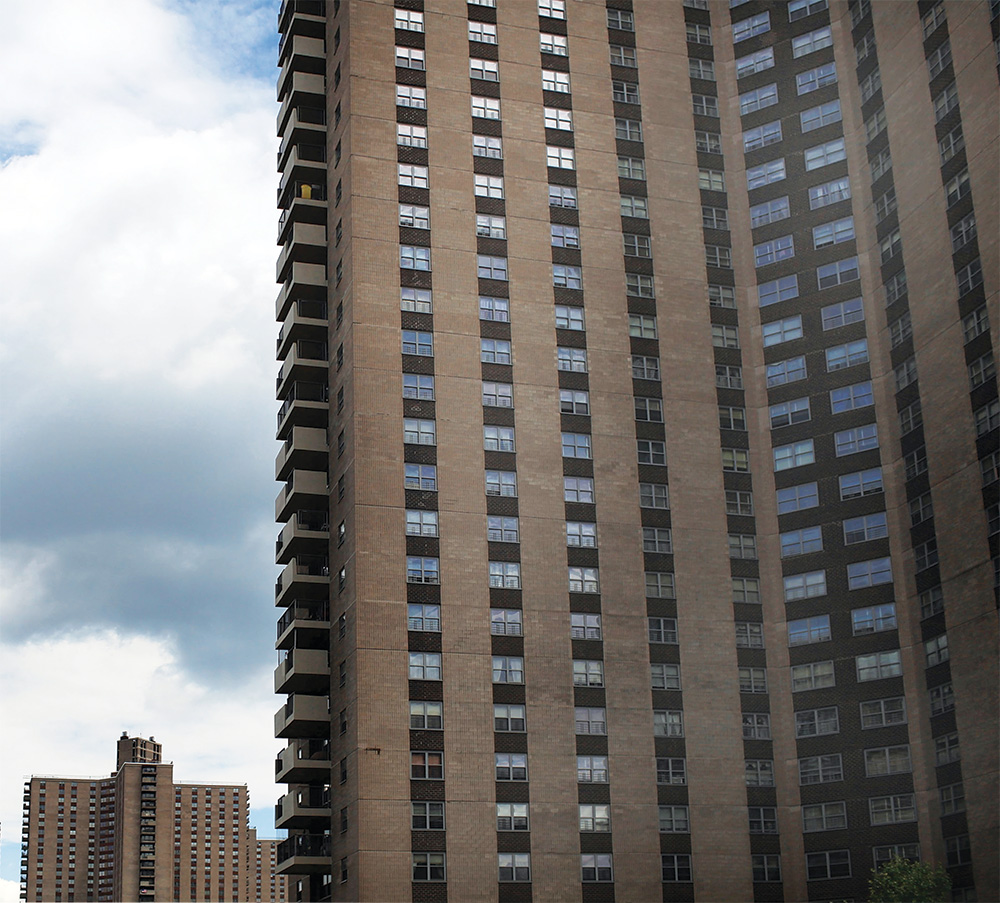
(Spencer Platt / Getty Images)
In many corners of the Left, “developer” is a dirty word. It calls to mind rapacious bullies like Donald Trump, with their armory of bulldozers and wrecking balls. But what if the developer was us?
For much of the modern US left’s history, this was far from unthinkable — it was reality. State-owned development authorities and neighborhood-based community development corporations flourished across the country. And for several decades, especially in New York City, labor unions themselves stood at the forefront of popular development, building a mode of cooperative social housing that stands as one of the most enduring legacies of mid-century urban labor power.
The model was developed largely by immigrant workers who pooled together their savings and built profit-free cooperative complexes for themselves and their communities. In 1916, Finnish workers developed the first such project in Brooklyn; in the 1920s, Eastern European Jewish immigrants built a network of ideologically specific developments in the Bronx, with competing movements constructing cooperatives: one for the Communists, one for the Social Democrats, one for a Yiddishist mutual aid society, and on and on.