Fascism Destroyed Italy’s Socialist City Halls
After World War I, Italian Socialists built an impressive array of welfare programs, schools, and libraries in cities. Fascist backlash soon revealed the limits of their strength.
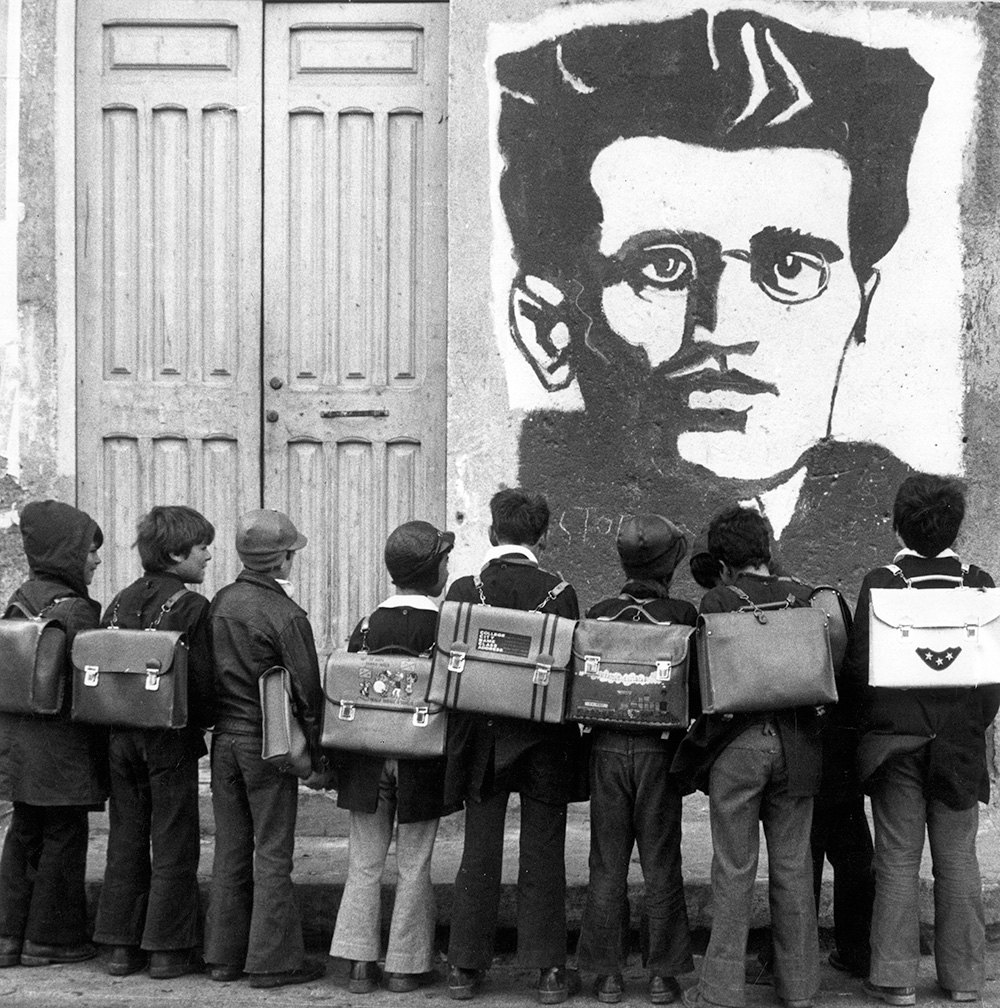
(Mondadori / Getty Images)
A century ago, Italy witnessed an unprecedented wave of labor militancy, combining electoral advances with revolutionary mobilization. Nurtured by socialist and syndicalist currents and buoyed by a wave of municipal victories, the biennio rosso — the “two red years” of 1919 and 1920 — ushered in mass strikes, factory occupations, and organized experiments in worker self-management.
In Turin, a young Antonio Gramsci collaborated with workers in the metalworking and auto industries to form factory councils, with the goal of democratizing production. By late 1919, more than 150,000 Turinese laborers were organized in autonomous councils. The movement soon spread to Milan and stretched as far south as Campania and Sicily, incorporating at least half a million Italian workers. In September 1920, this labor militancy reached a fever pitch: armed workers occupied factories across Italy — not to halt production but to place it under the control of democratically organized shop-floor councils.
In most histories, the biennio rosso is remembered for this searing but quickly defeated eruption of radicalism. By December 1920, the factory occupations had been effectively suppressed and the workers’ councils all but dismantled.