The Remarkable Life of Andrée Blouin
The memoirs of the Central African revolutionary tell the story of a woman who witnessed firsthand the ecstatic highs and tragic lows of the continent’s struggle for independence.
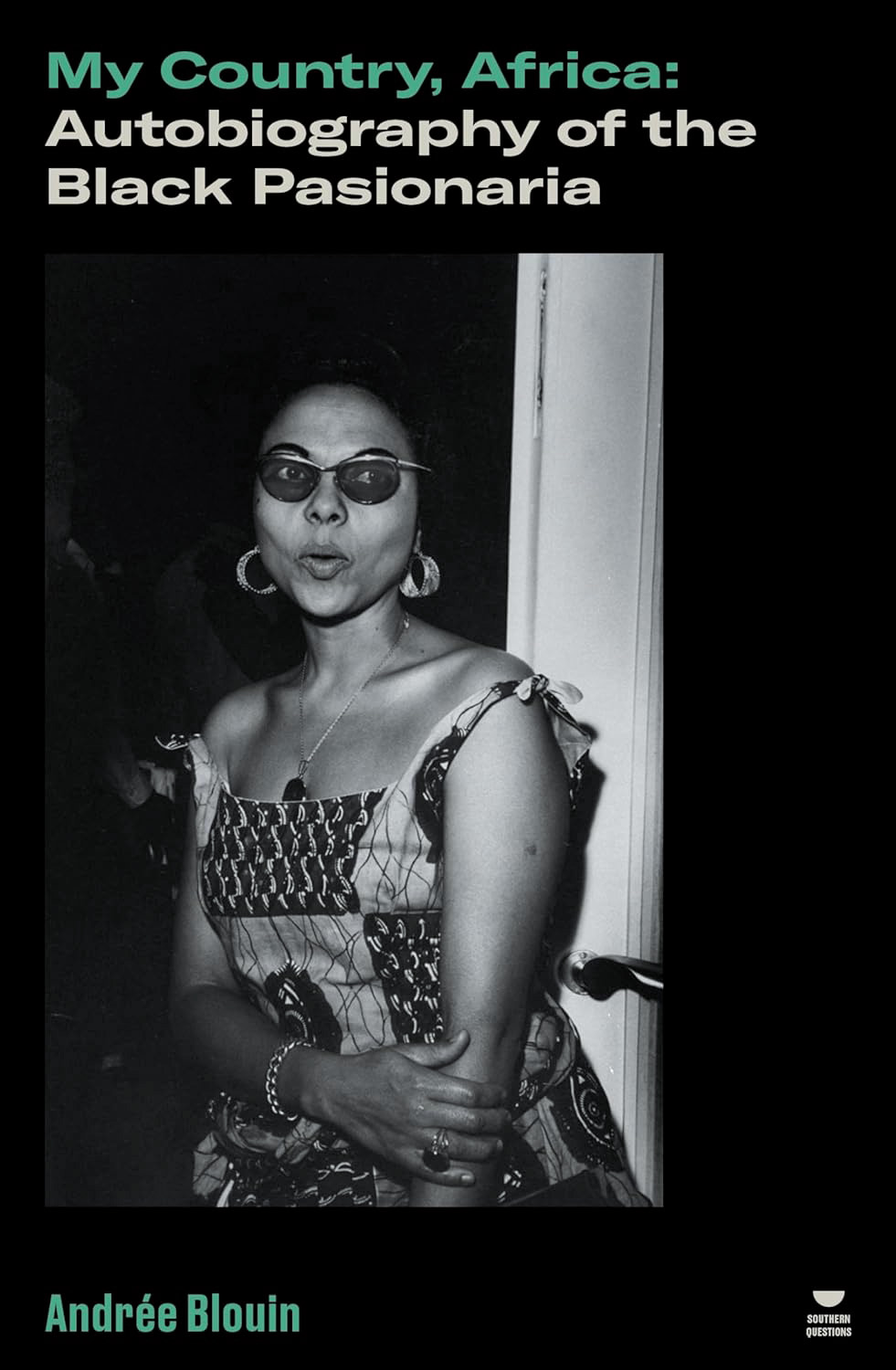
Andrée Blouin was one of the closest allies of Patrice Lumumba, the charismatic Congolese leader who guided his country to independence before his assassination in 1961. At the time, American and Belgian critics reserved special contempt for Blouin, branding her a fanatic and accusing her of being a communist agent. Yet despite her prominence during one of the most turbulent chapters of decolonization, Blouin has largely faded from Western memory in the decades since her death in 1986, at the age of sixty-four.
The recent reissue of her long-out-of-print autobiography, My Country, Africa, provides evidence of her enduring importance. As with many activists, Blouin’s engagement was shaped by firsthand experiences. The late colonial era, when the continent’s subject peoples were starting to mobilize on a grand scale to throw off foreign domination, was the backdrop to her life. So much seemed possible. Yet optimism often ended in disappointment. The continent’s more conservative leaders saw sovereignty mainly as a replacement of European faces with African ones, leaving intact colonial borders and social relations.
Blouin chose instead to side with the interests of ordinary people and viewed political struggle in Pan-Africanist, rather than nationalist, terms. Her “country” did not have one flag but many.