Partisans on Ponies
One German’s idiosyncratic obsession with the American frontier led to an unlikely West German–Yugoslav cinematic partnership that fed the European appetite for cowboys and Indians.
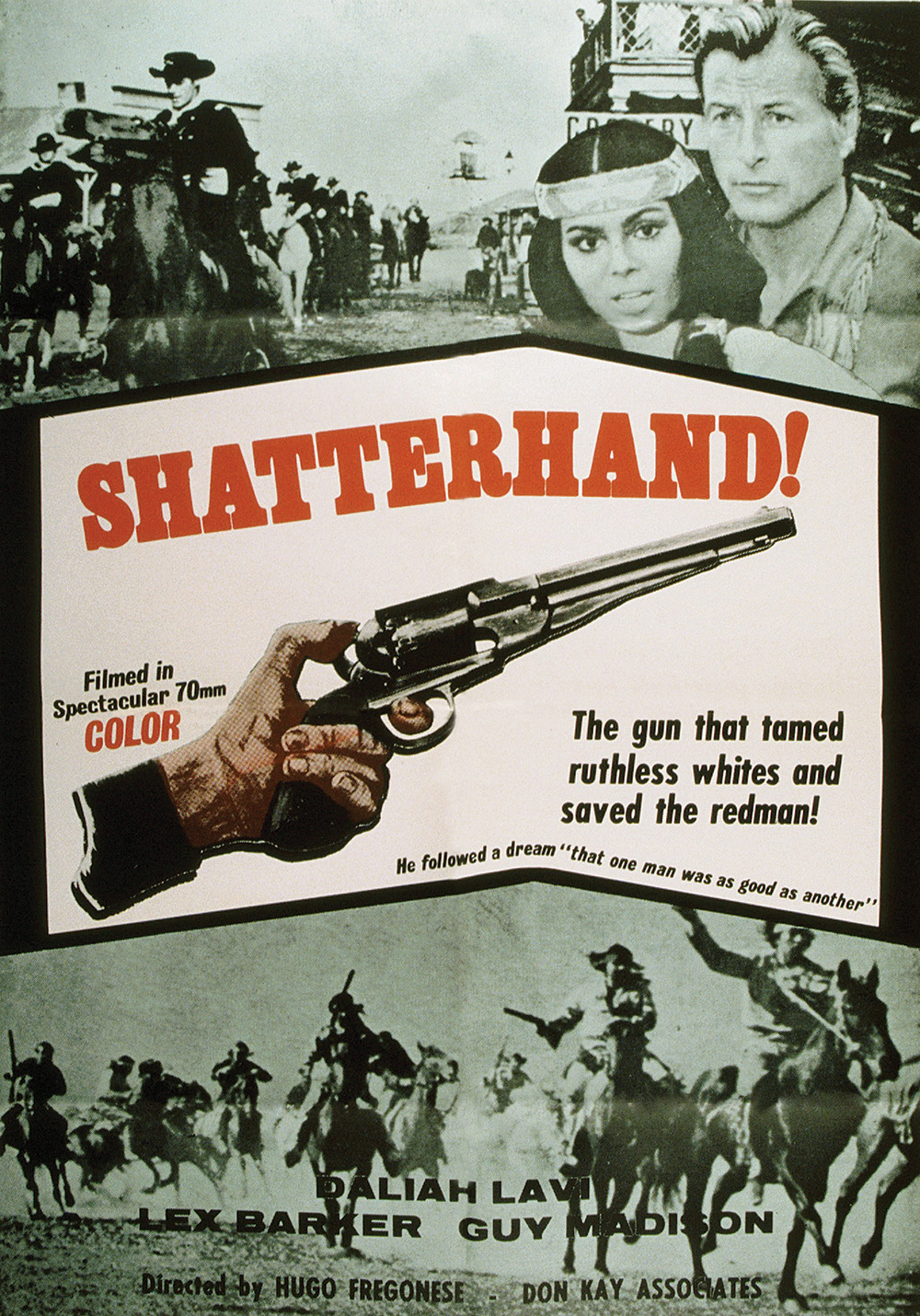
(LMPC / Getty Images)
While Italian film financiers were making their own extraordinary cowboy films at Rome’s Cinecittà Studios and off in Spain, West German producers needed an exotic, Western-esque stage of their own to film their countryman Karl May’s best-selling cowboy novels. They turned to socialist Yugoslavia and partnered up with Jadran Film, the Zagreb-based studio. What followed was a string of global hits — 11 between 1962 and 1968 — funded by German cash, filmed in Josip Broz Tito’s Yugoslavia, and based on a German novelist’s surprisingly progressive views of cowboys and Indians.
The Treasure of Silver Lake
The highest-grossing German-language film of 1962, Treasure proved “Germans writing American cowboy fare filmed in red Yugoslavia” could, in fact, be a gold mine. Here global audiences were introduced to May’s “noble savage” Winnetou the Apache, played by Pierre Brice, and his sidekick Old Shatterhand, played by American actor Lex Barker.
Winnetou (aka Apache Gold)
Winnetou, the first sequel to Treasure, was a blockbuster, selling more than 77 million tickets worldwide. Pierre Brice returns as the noble Winnetou, standing up to corrupt railroad tycoons trying to break a treaty to build through native land.