Orson Welles, South of the Border
After his post–Citizen Kane slump, Orson Welles teamed up with Universal for a big Hollywood comeback about corrupt police on the US-Mexico border. The executives balked at his vision — but today Touch of Evil is regarded as Welles’s final masterpiece.
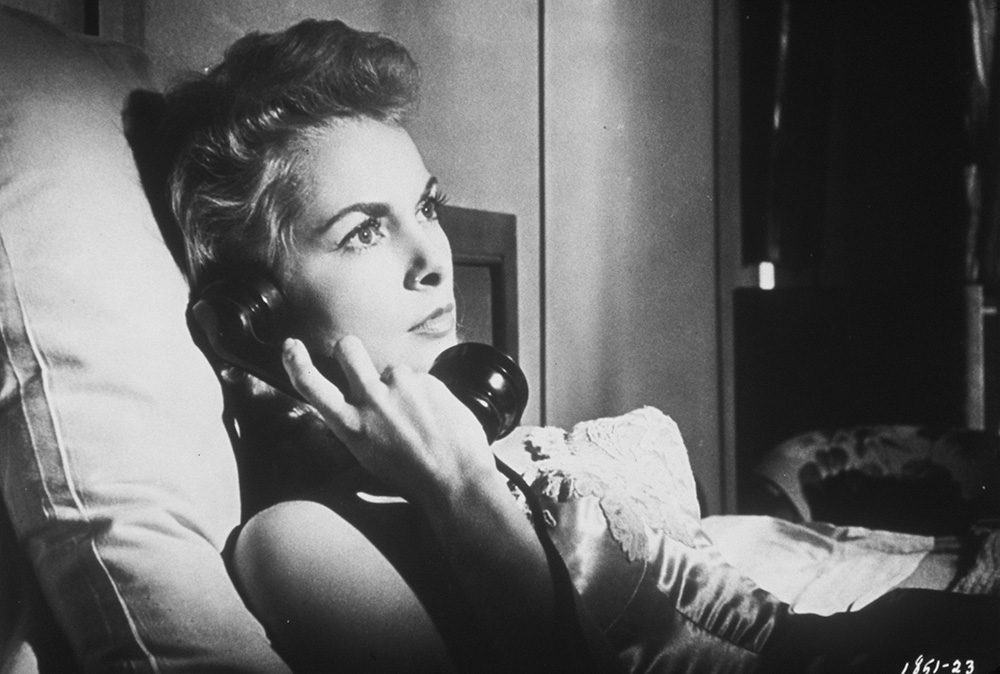
(Universal Studios / Newsmakers)
Perhaps the greatest film ever made about America’s southern border is the last film Orson Welles did with a big Hollywood studio behind him. Welles didn’t intend 1958’s Touch of Evil to be his final American production. He believed it was going to be the beginning of a long-lasting partnership with Universal Studios after executives convinced him they were finally ready for daring commercial moviemaking from the legendary auteur.
A committed leftist strongly supportive of the civil rights movement, Welles saw how he could use the action-packed source material — a potboiler of a novel called Badge of Evil, by Whit Masterson (the pen name of Bob Wade and Bill Miller) — as a framework for his own concerns about endemic racism, abusive policing, and how that corruption bled over the border in an exploitative relationship with Mexico. He rewrote the existing script by Paul Monash in a week, making significant changes such as reconceiving its white American male protagonist, Assistant District Attorney Mitch Holt, as a Mexican special prosecutor, Ramon Miguel “Mike” Vargas (played by Charlton Heston in brownface).
It was a happy and hopeful production, with stars Heston and Janet Leigh excited to be working with the legendary Welles. Cast and crew eagerly participated in the collaborative atmosphere generated by the director, pitching in day by day to improve the script and come up with inventive ideas for the shoot. “It was a collective effort, and there was such a surge of participation, of creativity, of energy,” according to Leigh. “You felt you were inventing something as you went along. . . . Mr Welles wanted to seize every moment. He didn’t want one bland moment.”