Waves of the Future
For the electrosensitive community in Green Bank, West Virginia, the perils of progress haunt our present.
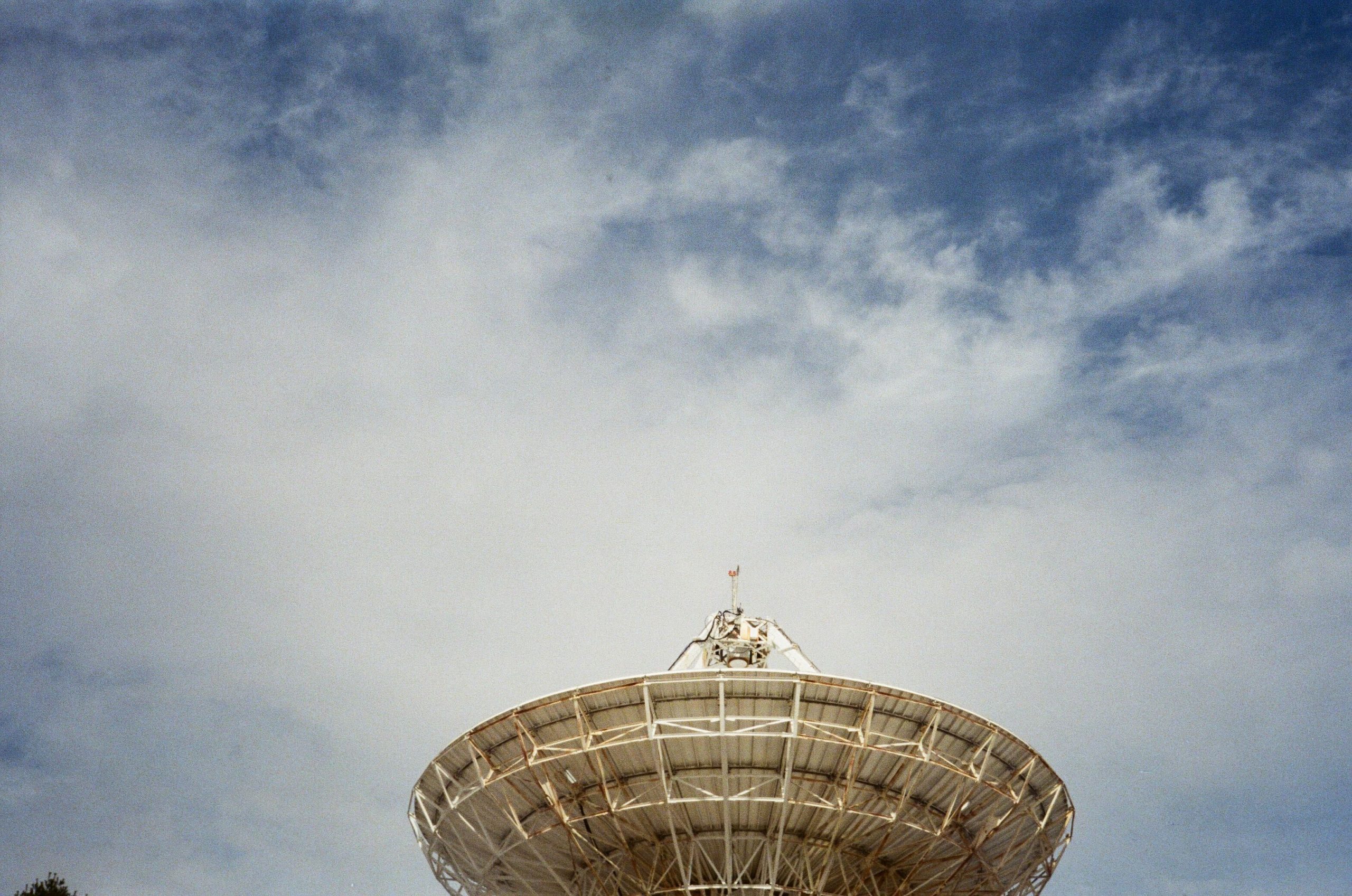
(Lauren Fadiman / Jacobin)
In the early weeks of the COVID-19 pandemic, dozens of cell phone towers were torched around the world in what looked like a series of offerings to an angry god. But the arsonists themselves would tell you the threat is entirely man-made, half in your pocket and half in the air: cell phones with 5G connectivity. Wireless technology, they say, can cause untold harm to the human body. It’s no wonder that COVID arrived with the rollout of fifth-generation cellular network technology.
At least fifty fires targeting 5G towers and 120 incidents of abuse toward telecommunications engineers occurred in the UK alone in March and April 2020. Concerns about electromagnetism and electromagnetic fields (EMFs) spread in the United States as well, propagated in Facebook groups with names like “Protect Yourself From 5G and EMF Wireless Radiation,” “5G Dangers & EMF,” and “Citizens for 5G Awareness.” Many members of these groups are self-diagnosed sufferers of electromagnetic hypersensitivity (EHS), a medically unrecognized condition characterized by heightened sensitivity to electromagnetic radiation of the kind produced by cell phones, Wi-Fi antennae, cable TVs, and more. Those who claim to suffer from the condition (the symptoms of which include fatigue, burning sensations, tinnitus, heart arrhythmia, nausea, palpitations, and everything else imaginable) equate it to no less than a living death.
The only cure, as they see it, is a kind of exile from the world of tomorrow. As a result, many of those with severe cases of EHS flee to places like the National Radio Quiet Zone (NRQZ) in Green Bank, West Virginia, where Wi-Fi, cell phones, and other wave-emitting technologies are largely prohibited to facilitate the sensitive work of the Green Bank Observatory. My days there are some of the very few I have ever spent off the grid. That thought bothers me more than I expect.