Greenland Is Not for Sale
The people of Greenland don’t want to be subjects of Denmark or the United States — they want economic independence and freedom from foreign control.
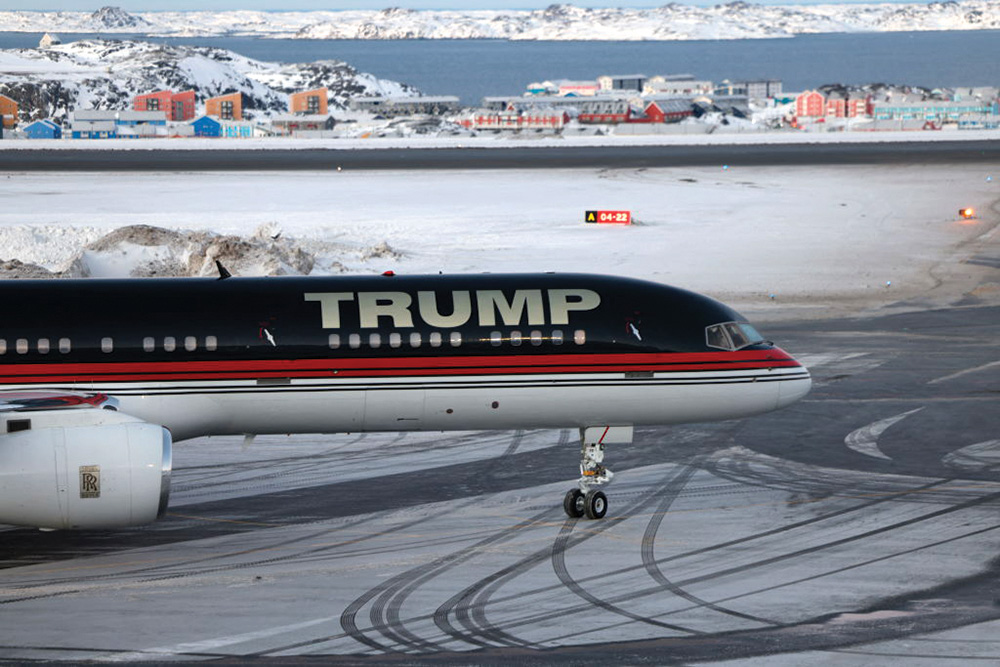
(Emil Stach / Ritzau Scanpix / AFP / Denmark OUT / Getty Images)
In the lead-up to his inauguration, President Donald Trump identified a surprising priority: Greenland. Trump wants to purchase the island, which is an “autonomous” province of Denmark; take control of the Panama Canal; and annex Canada as part of his plan to make America great again. Detractors have called Trump crazy and deranged. But his proposal is not without historical precedent. Trump’s bid to purchase the island marks the fifth time the United States has sought to acquire Greenland. During World War II, the United States briefly occupied the island, later establishing and maintaining its northernmost air base there during the Cold War to counter the Soviet Union. Today, with China emerging as Greenland’s top trading partner, the foreign policy establishment worries that the West will no longer be able to access its resources and shipping routes.
Europe has denounced Trump, insisting that Greenland is Denmark’s. But Greenland does not belong to Denmark or America; it belongs to Greenlanders. Greenlanders have long wanted independence, with a majority supporting the idea. The biggest barrier is not legal but economic: Greenland’s economy remains heavily reliant on Danish subsidies.
To free itself from Copenhagen’s control, Greenland should seize this moment in the global spotlight to advance its aspirations and attract the investment necessary to build a self-sufficient economy. If this wealth were equitably distributed to empower ordinary Greenlanders, as envisioned by the territory’s largest party, the democratic socialist Inuit Ataqatigiit, it could achieve not only independence but also liberation from the poverty that has long burdened the island.