Pointing Fingers
Liberal media pundits search for someone to blame.
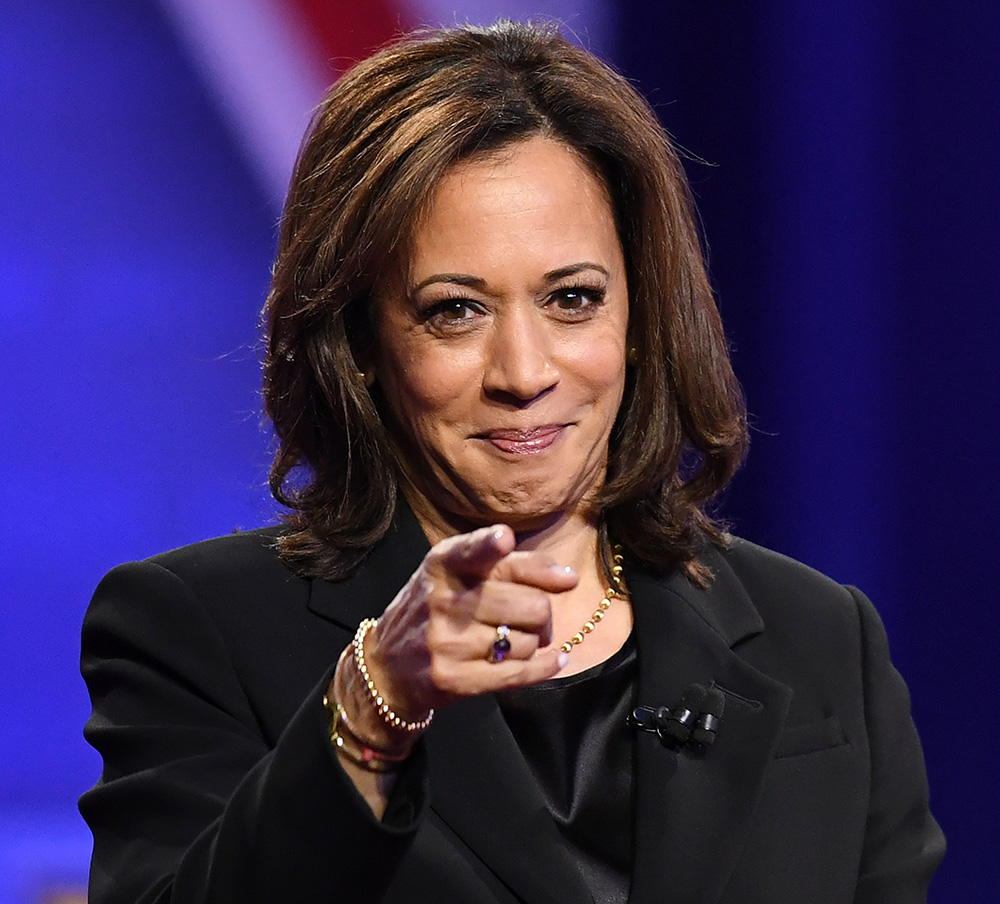
(Robyn Beck / AFP / Getty Images)
“I remember when Donald Trump was not normal. . . . I remember when Trump was weird. I remember when Trump was not who we are. . . . He won because of [his disinhibition], not despite it. His critics have long argued that he is just conning his voters — making them feel that he’s fighting for them when he’s just in it for himself and his wealthy allies — but part of Trump’s appeal is that his supporters recognize the con, that they feel that they’re in on it.”
“This was no ordinary contest between two candidates from rival parties: The real choice before voters was between Mr. Trump and everyone else — not only the Democratic nominee, Kamala Harris, and her party, but also Republicans like Liz Cheney, top military officers like Gen. Mark Milley and Gen. John Kelly (also a former chief of staff), outspoken members of the intelligence community and Nobel Prize–winning economists. Framed this way, the presidential contest became an example of what’s known in economics as ‘creative destruction.’”
“On the long road to Election Day, no group of voters was more loyal to Donald Trump than young white men. One early theory was that his success with this demographic was a result of male isolation and loneliness. But that showed a fundamental misunderstanding of Mr. Trump’s appeal. He did so well with male voters because he is a walking avatar of a kind of masculinity that Democrats could never embrace, and its appeal transcends this electoral cycle.”