War on Wheels
Formula One has its origins in Italian and German fascism. It continues to flirt with authoritarianism today.
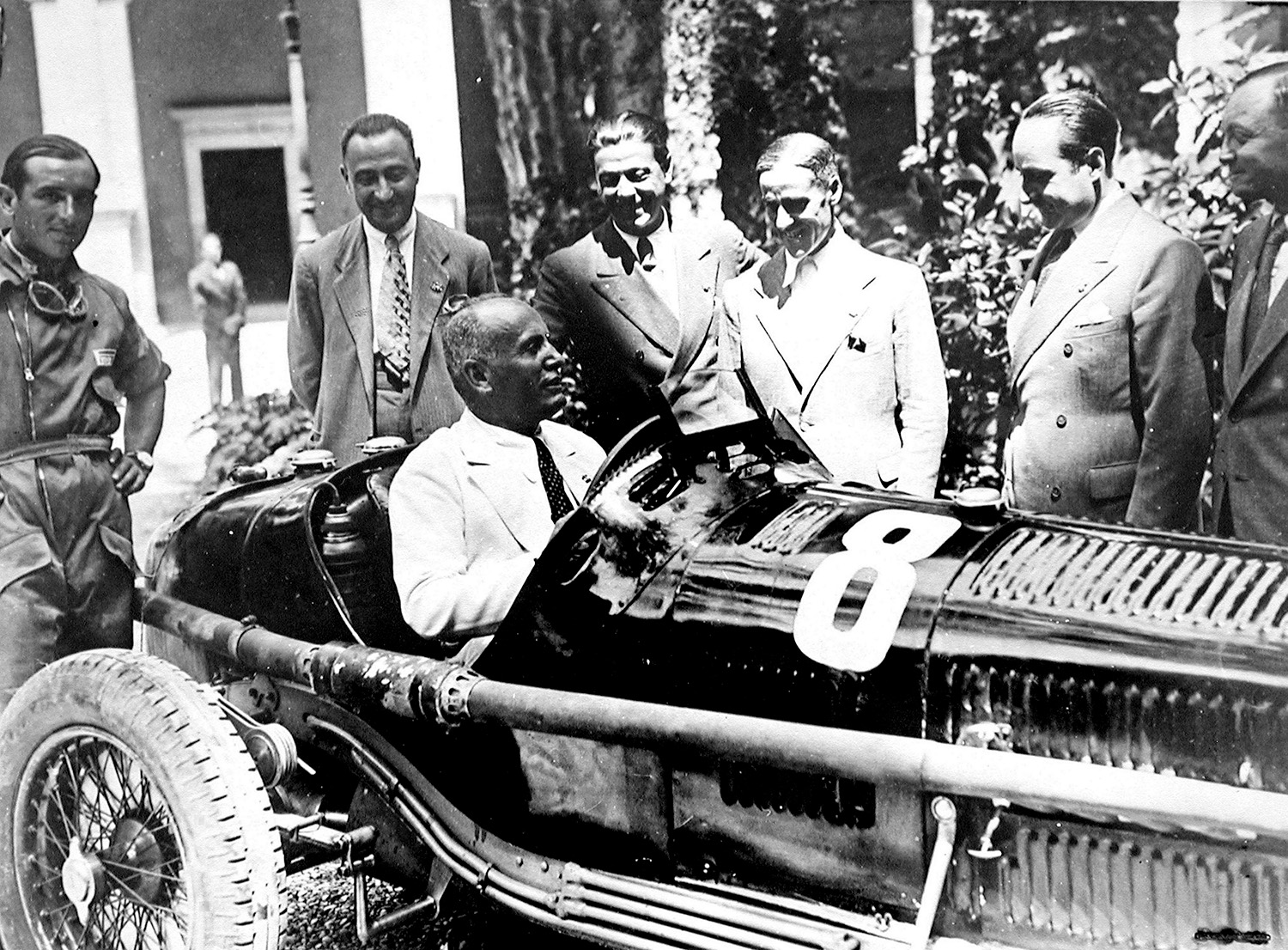
(Photo12 / Universal Images Group / Getty Images)
Benito Mussolini took his victory lap even before the race began. Just eleven months after his seizure of power, Italy’s fascist dictator drove ten kilometers around the Monza racing circuit before waving the starting flag at the newly inaugurated European Grand Prix. This was no mere quirk of history. Formula One and motor racing has always been the playground of the rich and politically suspect.
Before World War I, the first international motor races were run by federations of local clubs. In this era, involvement was limited to the very upper reaches of European societies — after all, the cost of a soccer ball or a tennis racket pales in comparison to that of a Ferrari engine. The bourgeois-aristocratic dominance over motorsports persists to this day.
Early races were consciously designed to pit the automotive industries of the major European countries against one another. Today’s Formula One governing body, the International Automobile Federation (FIA), was formed to regulate the international races that took place in France before 1914. But this competition had specific importance in the interwar decades. In an era when grand prix cars were painted not in sponsors’ logos but in national colors, the supremacy of Italian red or German silver over British racing green symbolized the rise of powers intent on winning more than just motor races.