The Lyric Composers of the Concentration Camps
When German fascism came to power, it interrupted a revolutionary experiment in freedom exemplified by two classical composers: Arnold Schoenberg and Hanns Eisler.
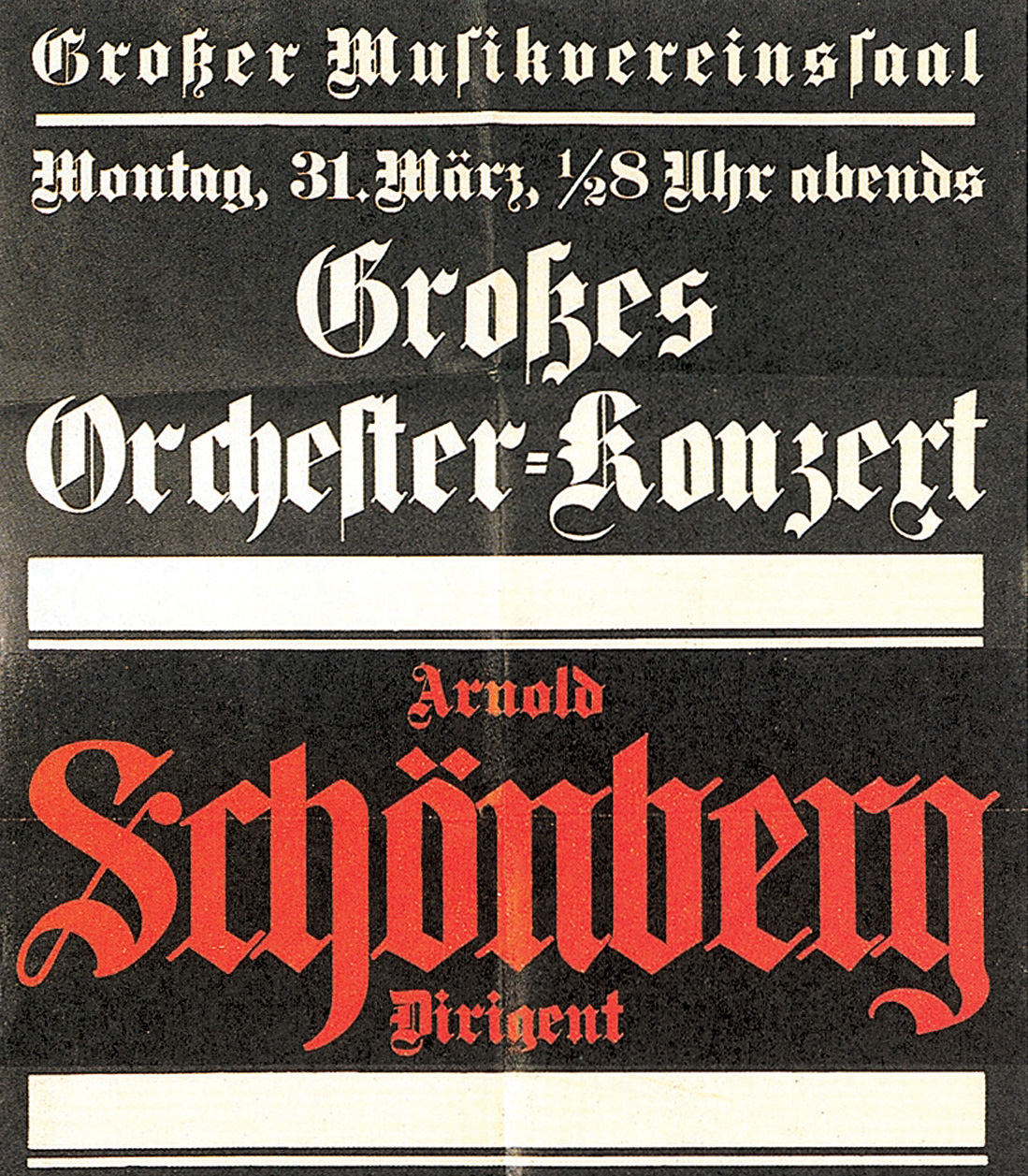
(brandstaetter images / Getty Images)
In 1938, just two months after the Anschluss annexed Austria to Nazi Germany, an exhibition entitled Entartete Musik — “degenerate music” — opened in Düsseldorf. It was a culmination of the Nazis’ repressive cultural policy, which had strictly regulated German art, music, and architecture since 1933 in order to expel a perceived degeneracy. This project was underpinned by racism toward Jews and African Americans, with atonality, twelve-tone technique, and jazz all seen as musical pollutants. But what tied these musical forms together was their unabashed modernity, their ability — sonically, aesthetically, and politically — to express an idea of freedom.
The exhibition in Düsseldorf was divided into seven sections. The first was an antisemitic exploration of Judaism’s “influence” on German music. The second was dedicated to one composer in particular: Arnold Schoenberg. By considering Schoenberg’s work and that of his great student Hanns Eisler, we might better understand fascism’s opposition to musical modernity.
Schoenberg was born in Vienna in 1874. His parents were of the generation that had lived through the emancipation of Austria’s Jews, granted in the aftermath of the revolutions of 1848. Coming of age during the Viennese fin de siècle, Schoenberg’s music first displayed a mastery of the romantic style and then moved beyond it. Largely self-taught, he would upend musical convention, breaking from romanticism in radical new directions.