The Colombian Killing Fields
Colombia recently discovered mass graves in a 150-year-old cemetery in the city of Cúcuta. The bodies, many of which were smuggled in during this century, reveal connections between right-wing militias, business, and the state.
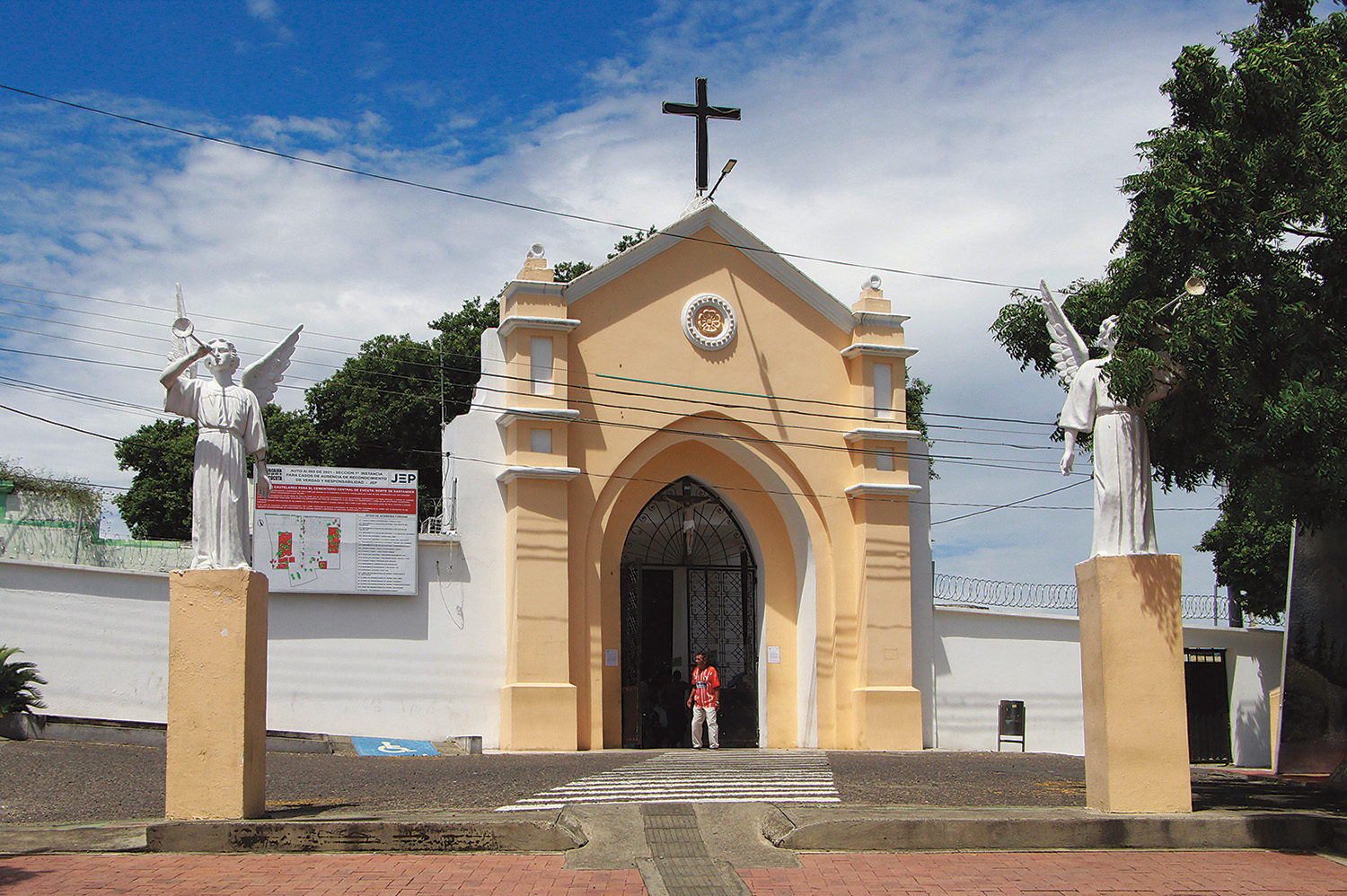
(Mario Caicedo / La Liga Contra el Silencio)
In May, Cúcuta, a Colombian city of one million people located on the border with Venezuela, became the focus of attention of the Special Jurisdiction for Peace (JEP), the government institution in charge of identifying and documenting victims in the country’s ongoing armed conflict and establishing responsibility for their deaths.
After testimony from a paramilitary commander revealed the existence of mass graves within the city, the JEP, in its largest and most critical intervention ever, shut down Cúcuta’s Cementerio Central and designated it a major crime scene. Forensic investigators working for the JEP uncovered ten unmarked mass graves within the cemetery, from which they dug up thousands of decomposing black bags full of decaying corpses and crumbling bones. In the plot surrounding a nineteenth-century Italian marble monument, they discovered an extra one thousand bodies piled up on top of each other in deep pits.
Over one hundred thousand people are currently registered as “disappeared” in Colombia, a legacy of the country’s ultraviolent conflicts between guerrillas, paramilitaries, criminal groups, and the government. In the state where Cúcuta is located, over four thousand people had been reported missing by their families. Through DNA testing from the human remains found in the cemetery, more than two hundred of the corpses have already been identified as those of people who were disappeared. The earthly remains of these victims have been carefully cataloged, equipped with microchips to trace any future movements, and buried in family plots or in small niches in newly constructed concrete walls at the cemetery.