Atavist Judges
Trump’s appointees hold us all in contempt.
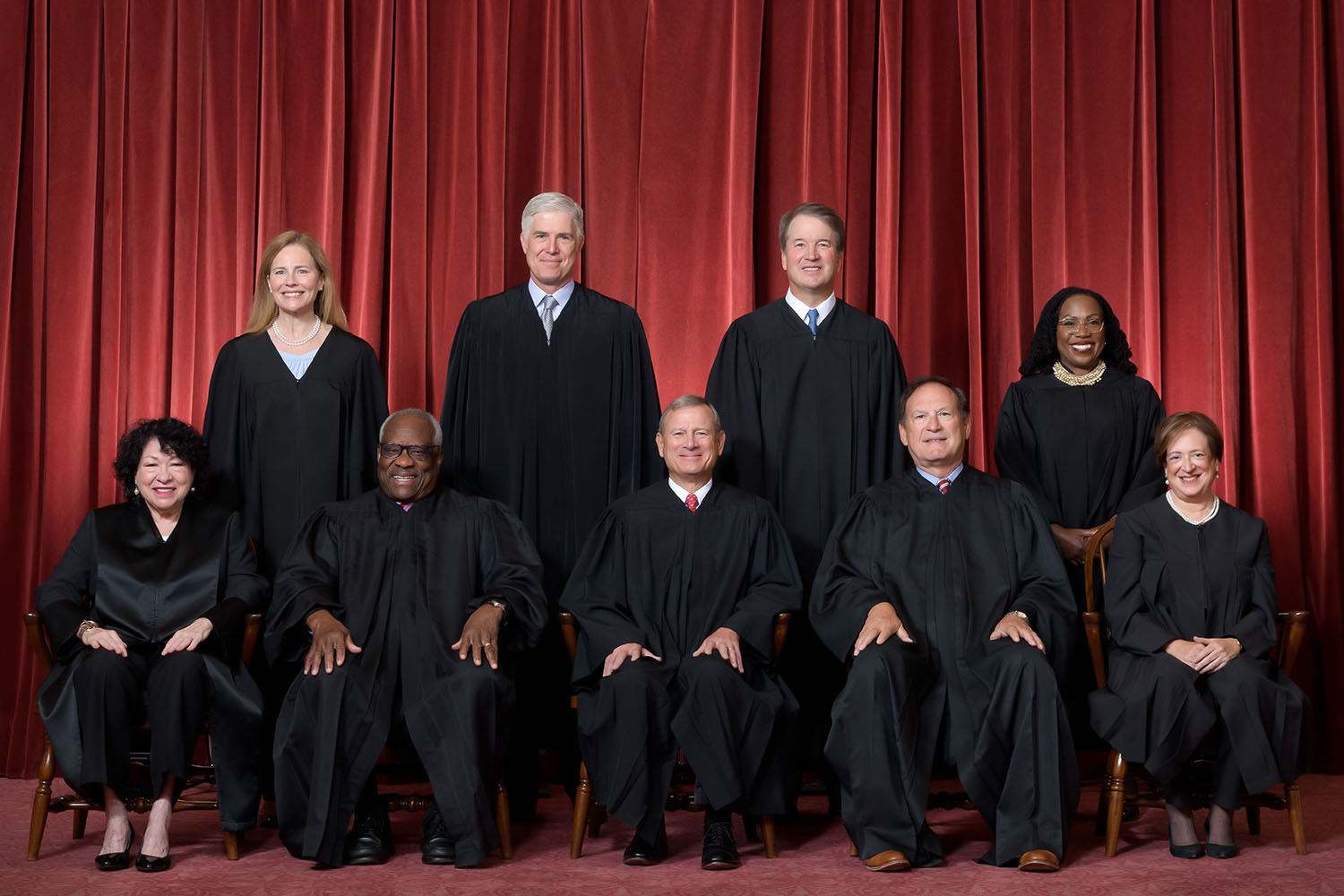
(Fred Schilling / Wikimedia Commons)
In the wake of the passage of a Texas law (SB 8) that bans abortion after the sixth week and provides a cash reward to private individuals who file civil lawsuits against abortion providers, the Supreme Court ruled constitutional the state’s effort to bypass judicial review by placing enforcement of the law in the hands of private bounty hunters instead of state officials.
Arkansas State Conference NAACP v. Arkansas Board of Apportionment (2023)
Just shy of actually overturning the Voting Rights Act, the NAACP ruling makes enforcement of the law functionally impossible by preventing individuals from filing lawsuits for said enforcement. This means that only the Department of Justice can file these suits moving forward, despite the fact that the DOJ brought forth only one such suit between 2016 and 2020.
Loper Bright Enterprises v. Raimondo (2024)
While Biden (2023) already demonstrated the Supreme Court’s power to veto actions of the federal government, Loper goes a step further — overruling the landmark Chevron (1984), stripping federal agencies of the expectation that courts will defer to their expert interpretation of ambiguous laws, and granting the courts the power to decide all matters of minutia, including, as in Loper, who should pay for the cost of federal observers on fishing vessels.