The Black Belt Communists
During the Great Depression, black sharecroppers and the Communist Party waged war against tenant farming in the South.
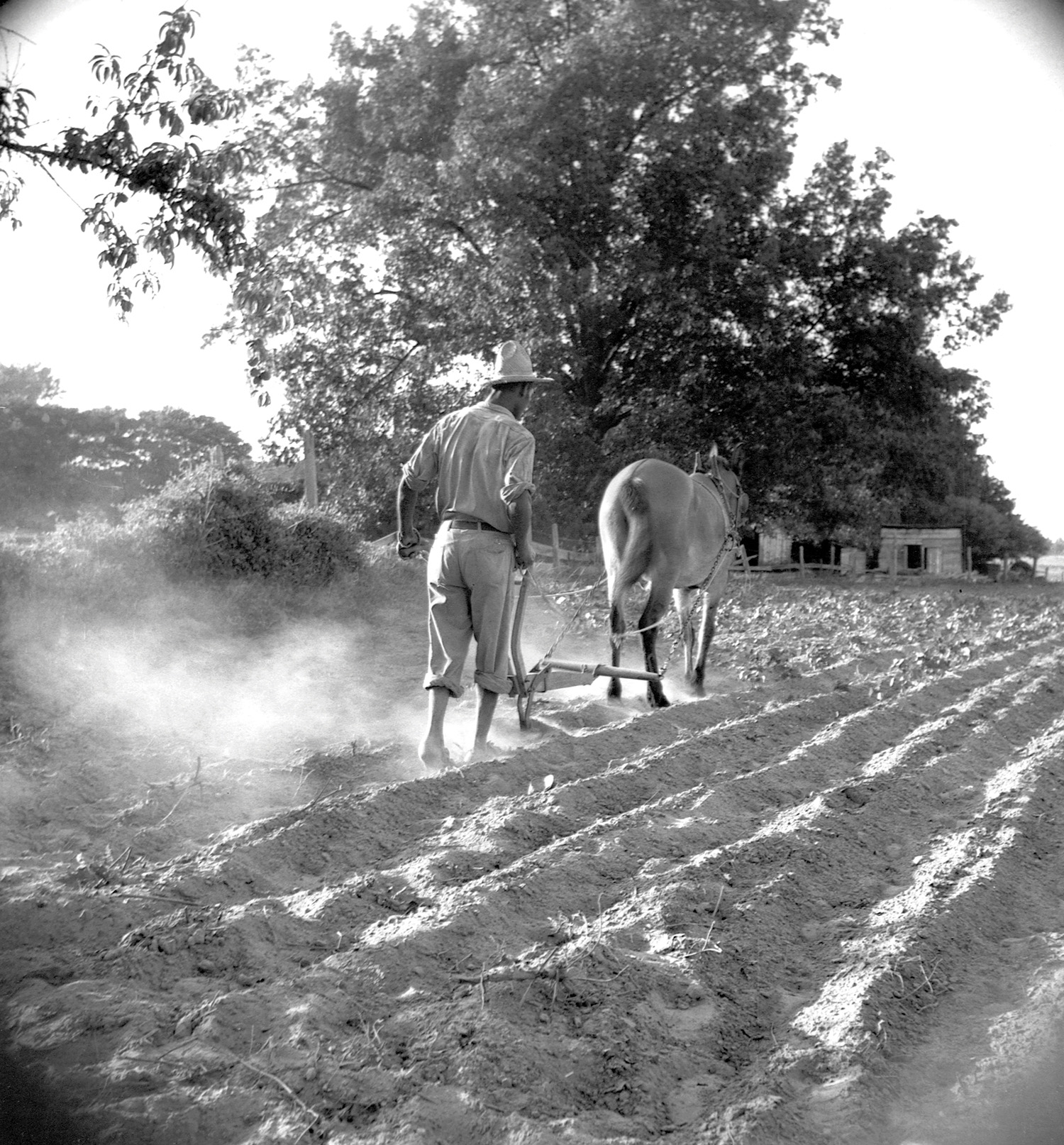
(Corbis / Getty Images)
The rural world that Communist organizers entered in 1930–31 made the poverty-stricken streets of Birmingham, Alabama, look like a paradise. Cotton farmers were in the midst of a crisis at least a decade old. After World War I, cotton prices plummeted, forcing planters to reduce acreage despite rising debts, and the boll weevil destroyed large stretches of crop.
When the stock market collapsed and cotton prices reached an all-time low, the real victims were small landholders who were forced into tenancy and tenants whose material well-being deteriorated even further. It is no coincidence, therefore, that black farmers straddling the line between tenancy and ownership formed the nucleus of Alabama’s Communist-led rural movement.
Within the limited world of cotton culture existed a variety of production relations. Cash tenants, more often white than black, usually leased land for several years at a time, supplying their own implements, draft animals, seed, feed, and fertilizer, and farming without supervision. Share tenants, on the other hand, might own some draft animals and planting materials, but the landowner provided any additional equipment, shelter, and, if necessary, advances of cash, food, or other subsistence goods such as clothing.