Talking Rural America With Thomas Frank
Urban elites’ contempt for rural America is centuries old — but so is rural populist resistance.
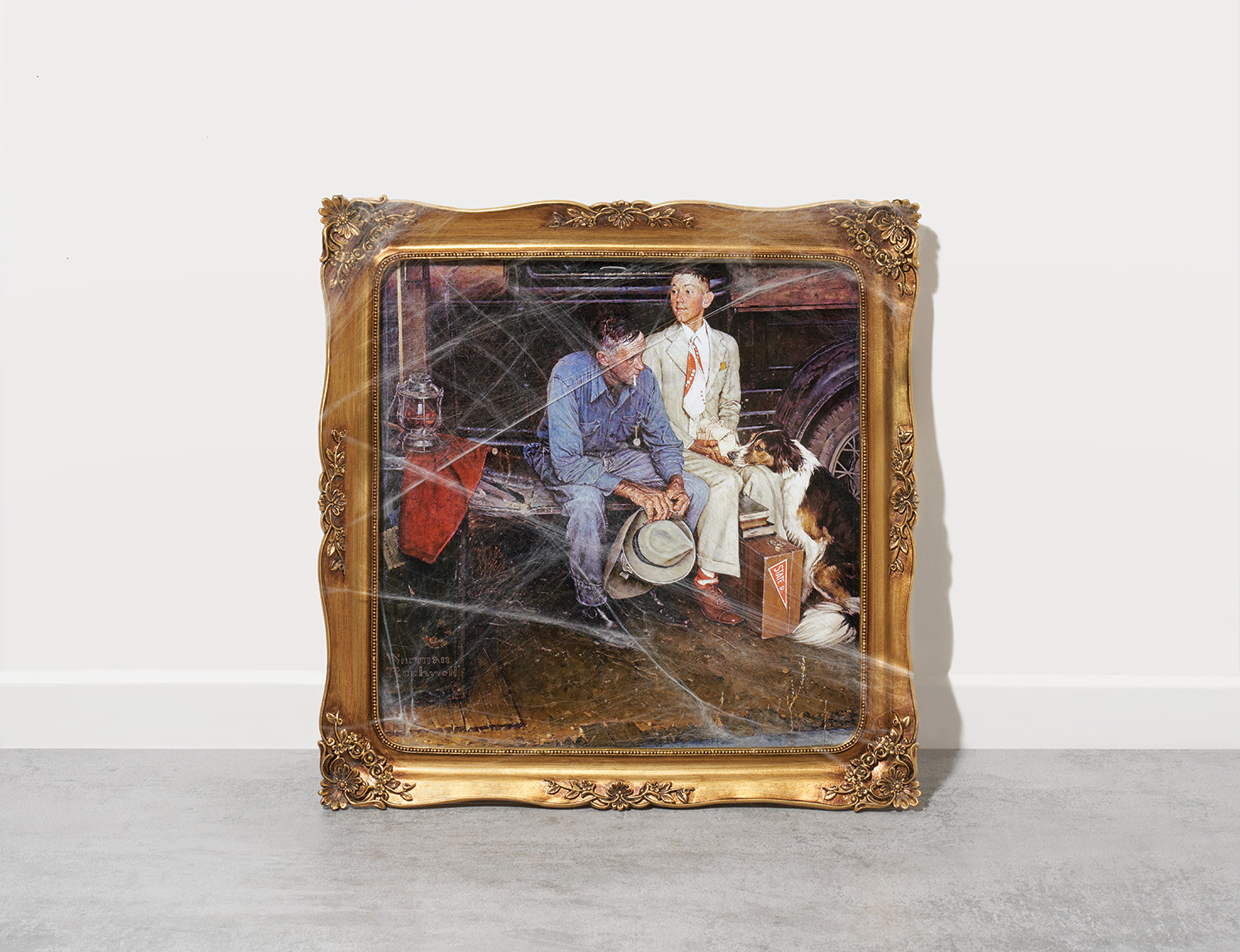
Illustration by Margeaux Walter. Painting by Norman Rockwell.
Bhaskar Sunkara
How does American populism compare with the European social democratic parties that also emerged in the late nineteenth century? Why did it take on such a rural character in the United States?
Thomas Frank
The Populists were the first significant wave of economic radicalism in US politics, and, as you say, they were overwhelmingly rural. They also liked to describe themselves as a party of labor. They were officially formed in the early 1890s by a coming together of the Knights of Labor and the huge farmers’ cooperative movements that had grown up in the 1880s, which is roughly the same time frame as the labor parties of the UK and Australia.
But while the Populists called for the nationalization of railroads and the eight-hour workday, they were not a Marxist party. Instead they saw themselves as a sort of revival of the American democratic tradition, with plans to purify the system via more voting and better voting — initiative and referendum, secret ballots, and direct election of senators. Today, of course, farm radicalism is an almost extinct strain in American life, but it was serious stuff back then, and it persisted in some form or another up to the 1970s.