How Socialism in the Villages Went Wrong
Instead of imposing collectivization from above, Julius Nyerere tried to build a rural socialism based on the values of Tanzania’s villages.
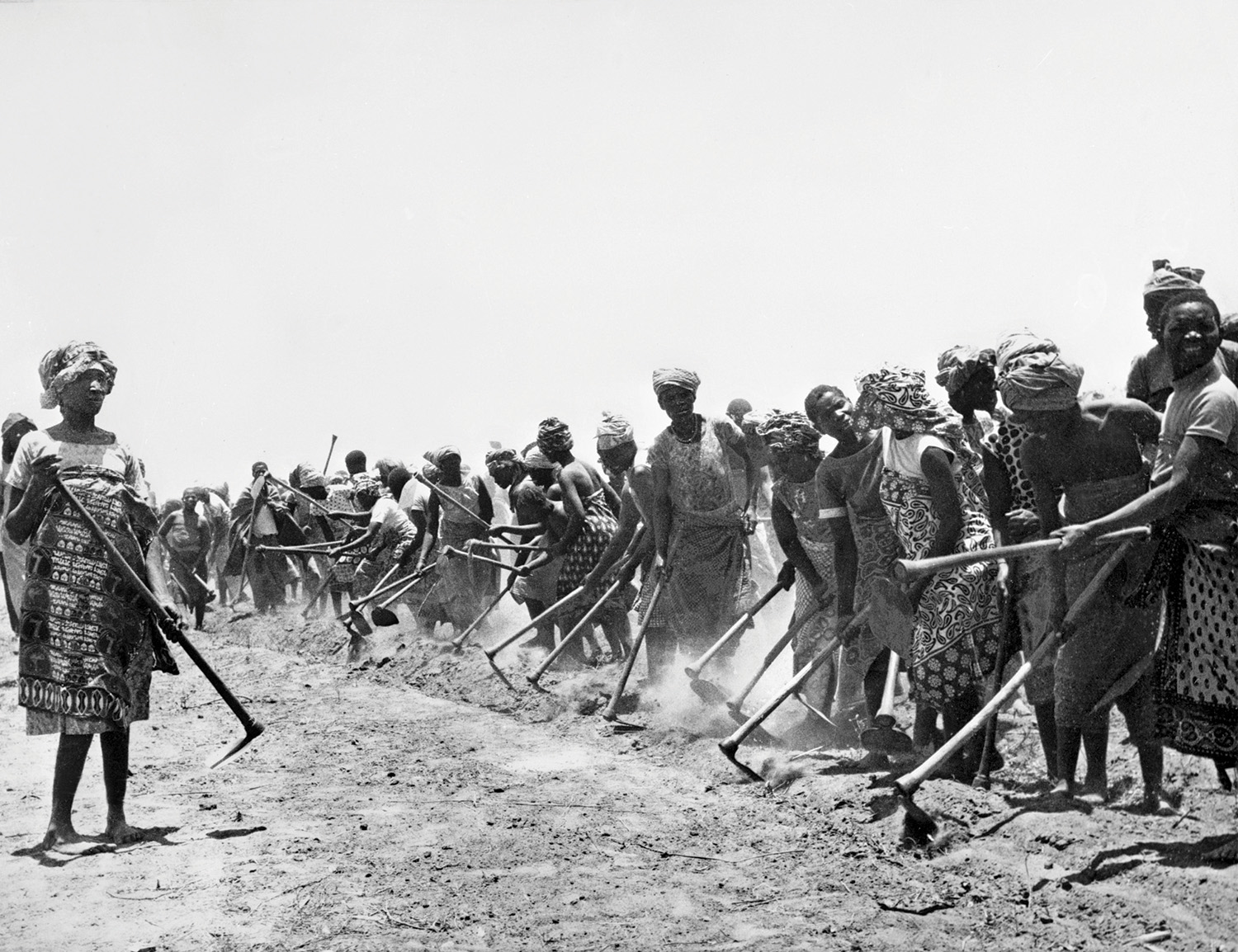
(AFP / Getty Images)
The most pressing condition that many a builder of socialism has historically had to contend with has not been capitalism but a peasant-dominated society. Had he been a doctrinaire Marxist, Julius Nyerere — Tanzania’s leader from before its independence from Britain in 1961 to well into the 1980s — may have looked at his country and seen in the peasantry a proverbial sack of potatoes soon to be relegated to the dustbin of history. With a bit of Stalinist backbone and commitment, he may have seen it as incumbent on himself to speed that demise along by means of collectivizing peasant-based production and the land. A peasant economy would have been a condition to be overcome, not a reality to be inhabited.
As it happened, Nyerere contemplated that reality through the softer eyes of a humanistically inclined socialist. He sought solutions to the pressing problems of the here and now rather than attempting to hasten an end of history. In his 1962 inaugural presidential address, the Tanzanian peasantry problem presented itself to him thus:
If our people are going to continue living scattered over a wide area, far apart from each other, . . . . we shall not be able to provide ourselves with the things we need to develop our land and to raise our standard of living. We shall not be able to use tractors; we shall not be able to provide schools for our children; we shall not be able to build hospitals, or have clean drinking water; it will be quite impossible to start small village industries. . . .
If we do not start living in proper village communities then all our attempts to develop the country will be just so much wasted effort.