Hayao Miyazaki’s Red Roots
Studio Ghibli is not the Japanese Disney but the anti-Disney. Dreamed up by animators with roots in the Japanese communist movement, its films celebrate creative labor and human solidarity against capitalism and war.
(Hayao Miyazaki Catalogue / Ingram Books)
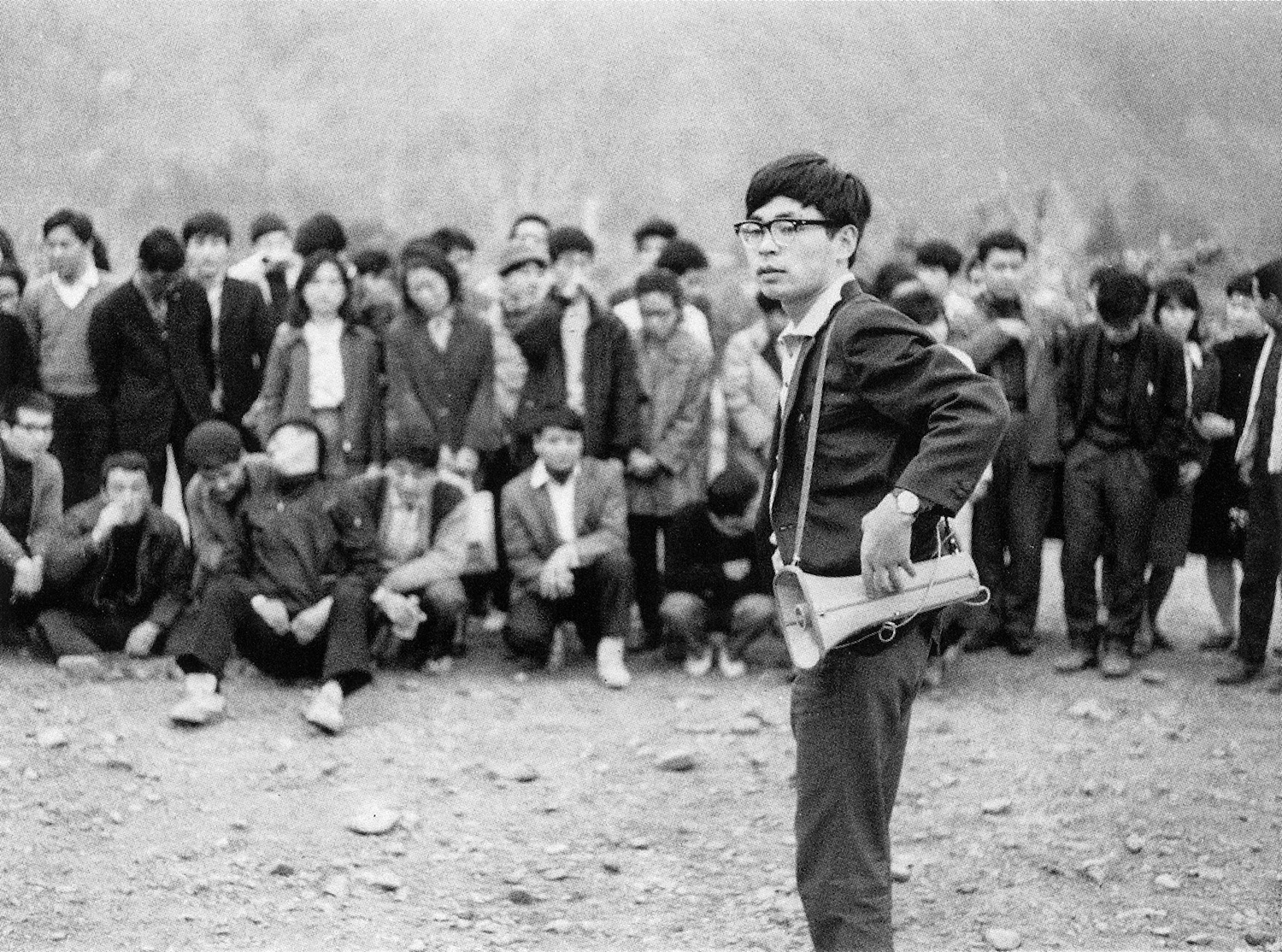
The roots of one of the most successful animation studios of the last few decades lie in the trade union at Toei Doga, the animation department of one of Japan’s largest film corporations. In the mid-1960s, working conditions in the industry were brutal, with teams of animators churning out hundreds of drawings daily for TV cartoons like Astro Boy. Deadlines were tight, and quality was irrelevant — at least one animator actually died on the job. Two of the Toei union’s most prominent shop stewards were the young animators Hayao Miyazaki and Isao Takahata. A photograph exists of a young Miyazaki, megaphone in hand, leading a strike. Twenty years later, Miyazaki and Takahata would form their own studio together: Studio Ghibli.
Ghibli was intended to be everything the existing studios were not, even as it remained dedicated to crafting popular entertainment. Its flowing, rich animations would openly depict the dangers of environmental destruction, war, and capitalism but would somehow float — like its hero the “red pig” Porco Rosso — below the political radar. Miyazaki couldn’t help but declare, “I must say that I hate Disney’s works,” even as Ghibli signed an overseas distribution deal in 1996 with the multinational conglomerate. Ghibli films are never propagandistic, but in their relaxed way, they have embodied a very particular kind of ecosocialism. Miyazaki and Takahata are among the few Marxist filmmakers that socialist craftsman and thinker William Morris would have recognized as kindred spirits.
Ghibli’s politics, at the same time, have never been a secret. In 1995, Patlabor and Ghost in the Shell director Mamoru Oshii, whose background was in the libertarian New Left, described Takahata as a “Stalinist,” Miyazaki as “a bit like a Trotskyist,” and the Ghibli studio as “the Kremlin.” The Toei union, like many unions in the ’60s, was substantially controlled by the Japanese Communist Party, and though Miyazaki has stated he was never a dues-paying member, there is no doubt that he and Takahata were fellow travelers. A few sly references to this can be found in their films. The flying ace of Porco Rosso (1992), for instance, refuses to join the air force under Benito Mussolini — quipping, “Better a pig than a fascist” — and in one scene, his lover Gina sings the Paris Commune’s anthem “Le Temps des Cerises.” But Ghibli’s politics come out most of all in its works that engage with the countryside, in Japan and elsewhere, which appears as both dream and nightmare.