The Left Side of the Church
The Catholic Church is responsible for a litany of injustices. But the glorious tradition of liberation theology can’t be forgotten.
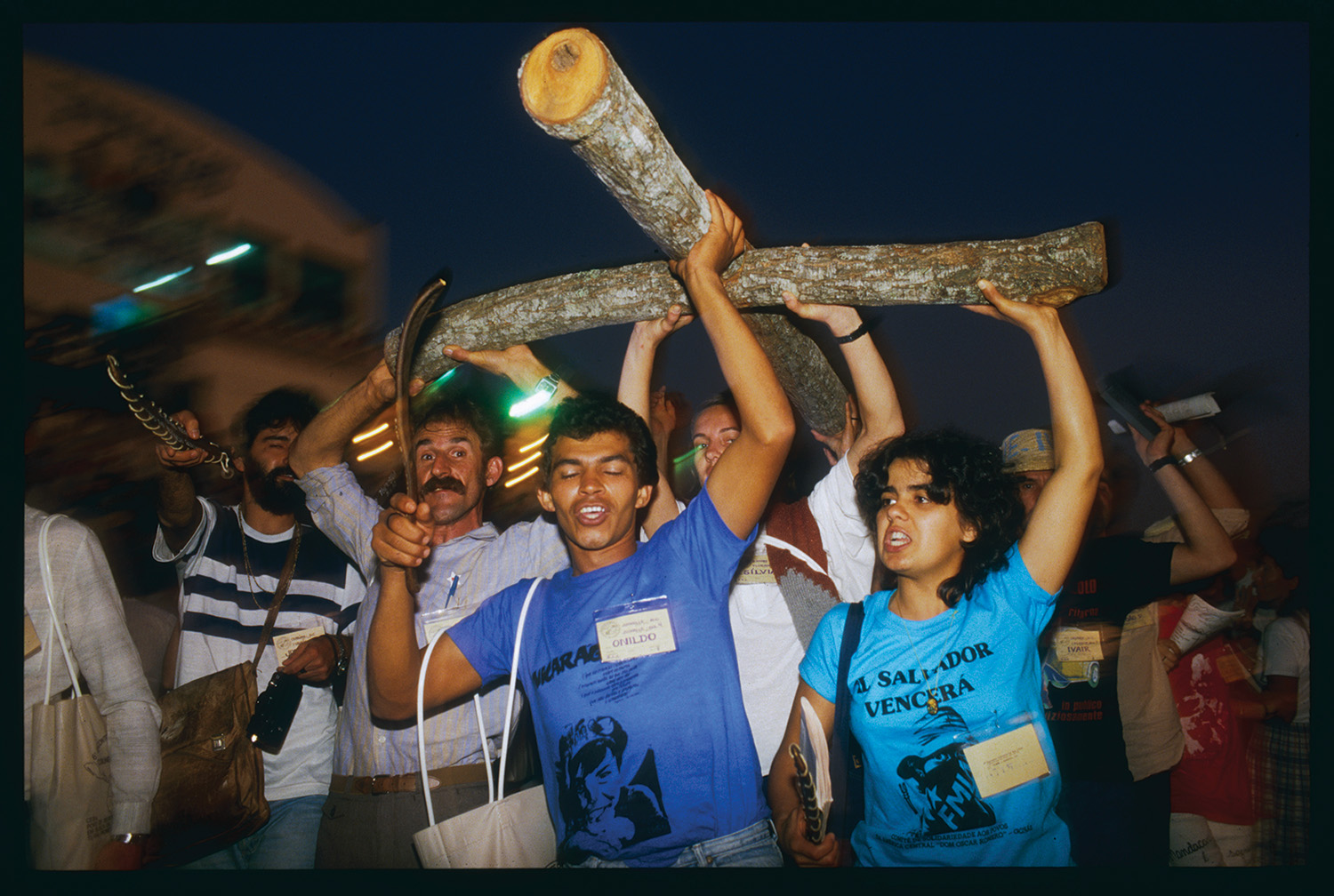
(Bernard Bisson / Sygma / Getty Images)
Curiously overlooked among all the consequential events of 1968 is a gathering in Medellín, Colombia, of the Conference of Latin American Bishops — a pivotal event in the development of liberation theology throughout Latin America. The declarations of the conference broke new ground in expanding the notion of theological liberation to imply a positive humanizing process and in attacking the political, social, and economic structures that kept millions poor and oppressed.
Liberation theology was marked by a rejection of the church’s traditional role as a bulwark of reaction and an insistence instead on a “preferential option for the poor.” The tradition was embodied by such heroes as the young priest Frei Betto, who was arrested, tortured, and imprisoned in the early 1970s by Brazil’s dictatorship for his work helping leftist militants, including the Marxist writer and guerrilla fighter Carlos Marighella.
Betto was castigated by his police interrogator: “How can a Christian collaborate with a communist?”