The Misadventures of Cybersyn
Chile’s Project Cybersyn should be remembered as a masterful branding effort — not a road to socialism.
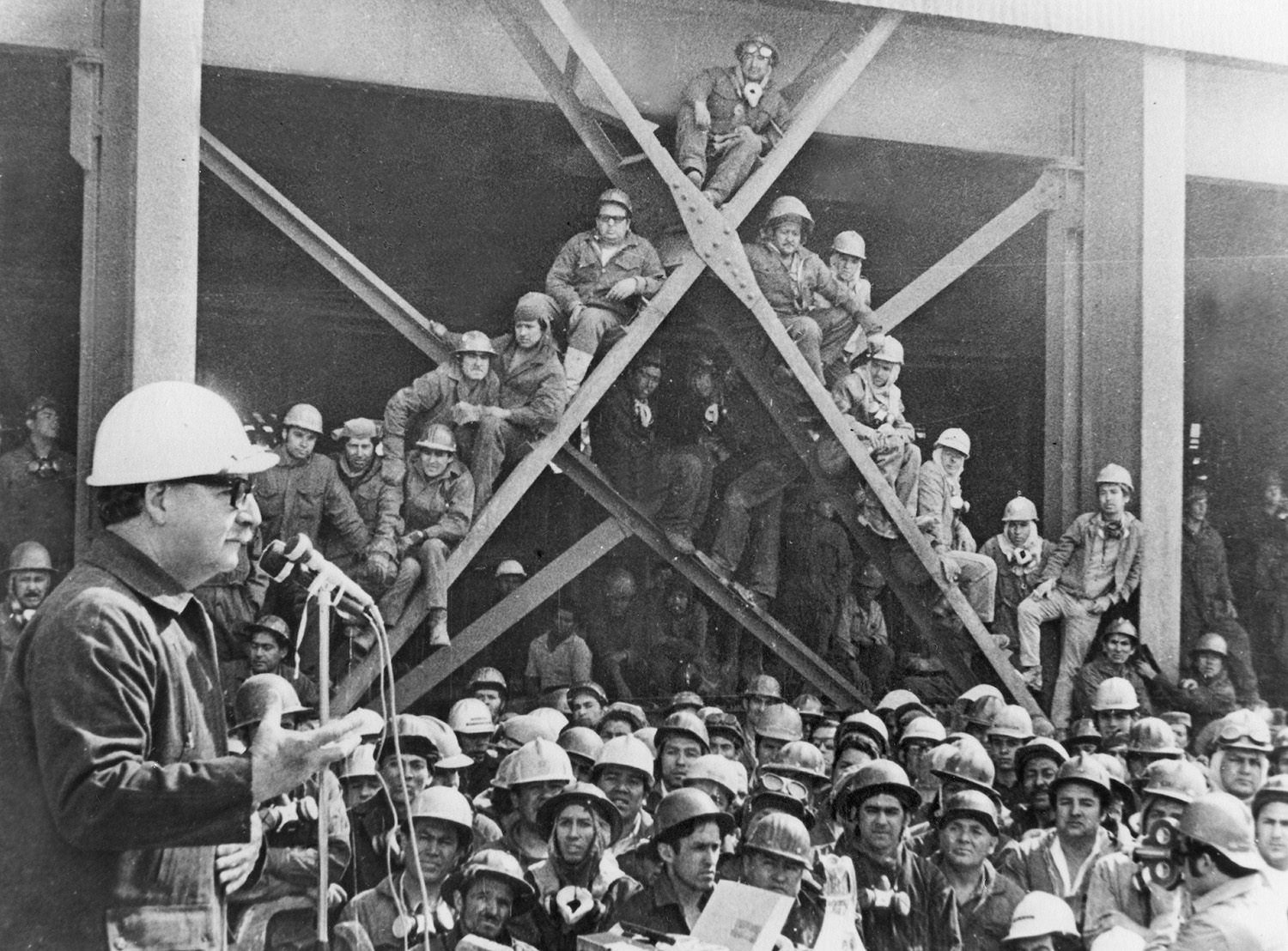
(ADN-Bildarchiv / Ullstein Bild / Getty Images)
The first May Day of Salvador Allende’s presidential term was supposed to kick off popular celebration across Chile for the new socialist government. Instead, the eve of festivities in 1971 saw a conflict break out that would soon force the administration down an irreversible new path. And for once, the conflict precipitating the abrupt change was not the product of machinations by the country’s patrician bourgeoisie or their backers in Washington. It was a labor action.
A strike at the largest textile factory in Latin America, the Yarur mill, sent a shock wave through Santiago. The workers demanded the seven-month-old administration step in to nationalize their plant — an action that would mean tearing up the plans of socialist officials in their ministries just six miles north of the factory. Allende’s coalition, Popular Unity, was in instant disarray. If Yarur was to be the start of a tidal wave of demands from workers for their factories to be seized, what would this mean for the coalition’s strategy of delivering an orderly, legal socialist transition?
In the maelstrom of the strike, a small but deeply ambitious faction within the new government drew up a plan. They decided to exploit the chaos, and especially their government’s paralysis, to strengthen their own position within the coalition. They planned to achieve this by using the strikes to implant an esoteric project into the core of the government’s economic prospectus: SYNCO, the “system of information and control.”