The Glamour of Gerontocracy
What the famously elderly leaders of the Brezhnev-era Soviet Union meant for millions.
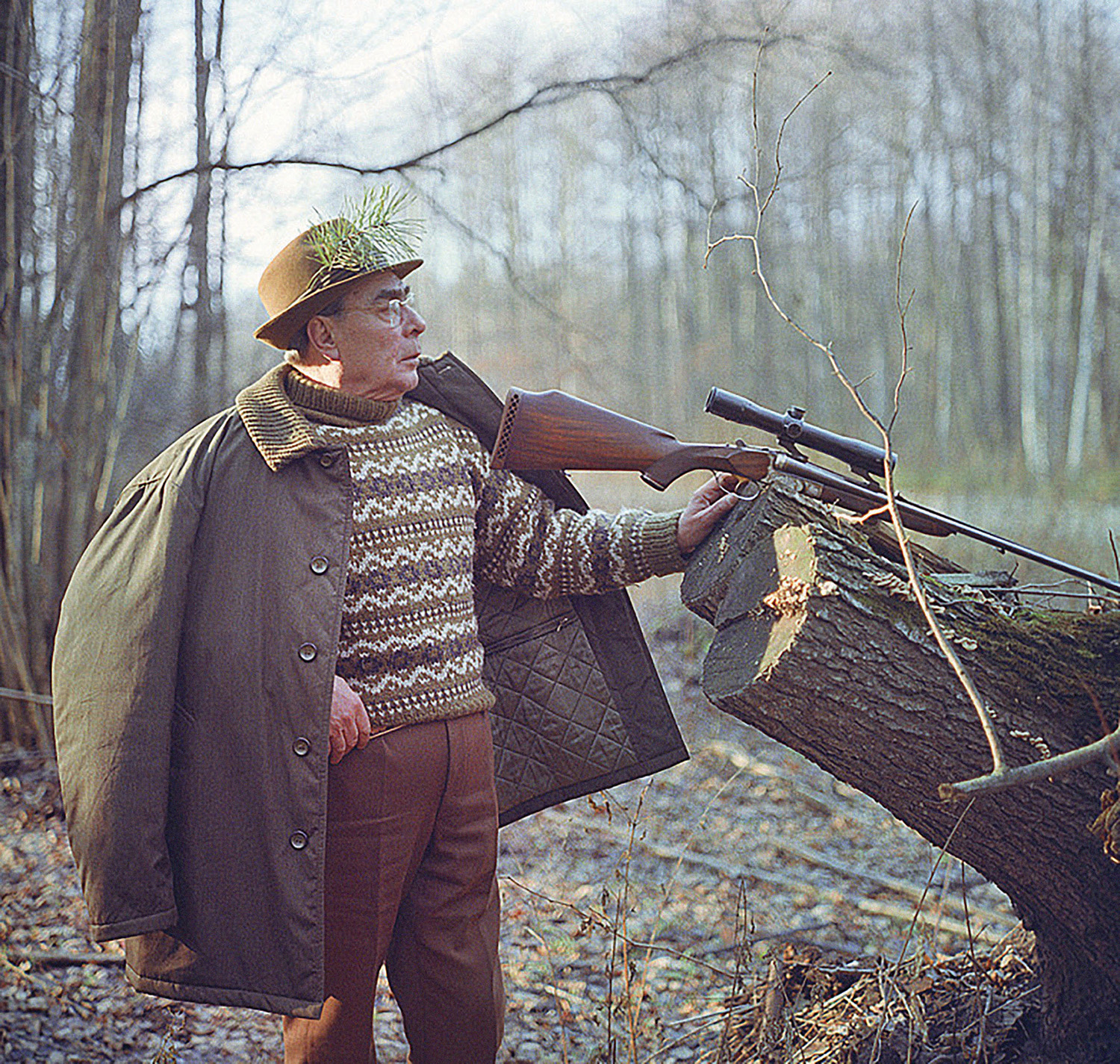
(Vladimir Musaelyan / TASS)
The Western press called them the “Kremlin elders.” They were all born between 1902 and 1914. And they all died between 1980 and 1985. It was no coincidence that after they passed, everything collapsed — their country, their regime, their ideology.
Yet they were not very old. When, in 1972, Communist general secretary Leonid Brezhnev received Richard Nixon in Moscow, the host was just seven years older than the guest. Brezhnev’s successor, Yuri Andropov, was almost a year younger than West German chancellor Willy Brandt. Andropov’s successor, Konstantin Chernenko, and Ronald Reagan were both born in 1911.
Nevertheless, they certainly looked very old. From the end of the 1970s, Soviet leaders on TV resembled a bunch of zombies, all led by a bloated clown decorated with countless medals and endowed with legendary bushy brows that would make Cara Delevingne envious.