The Doomer Crooner
In his sixties and seventies, the balladeer Scott Walker swerved into making some of the most aggressive, complex, and political music of our time.
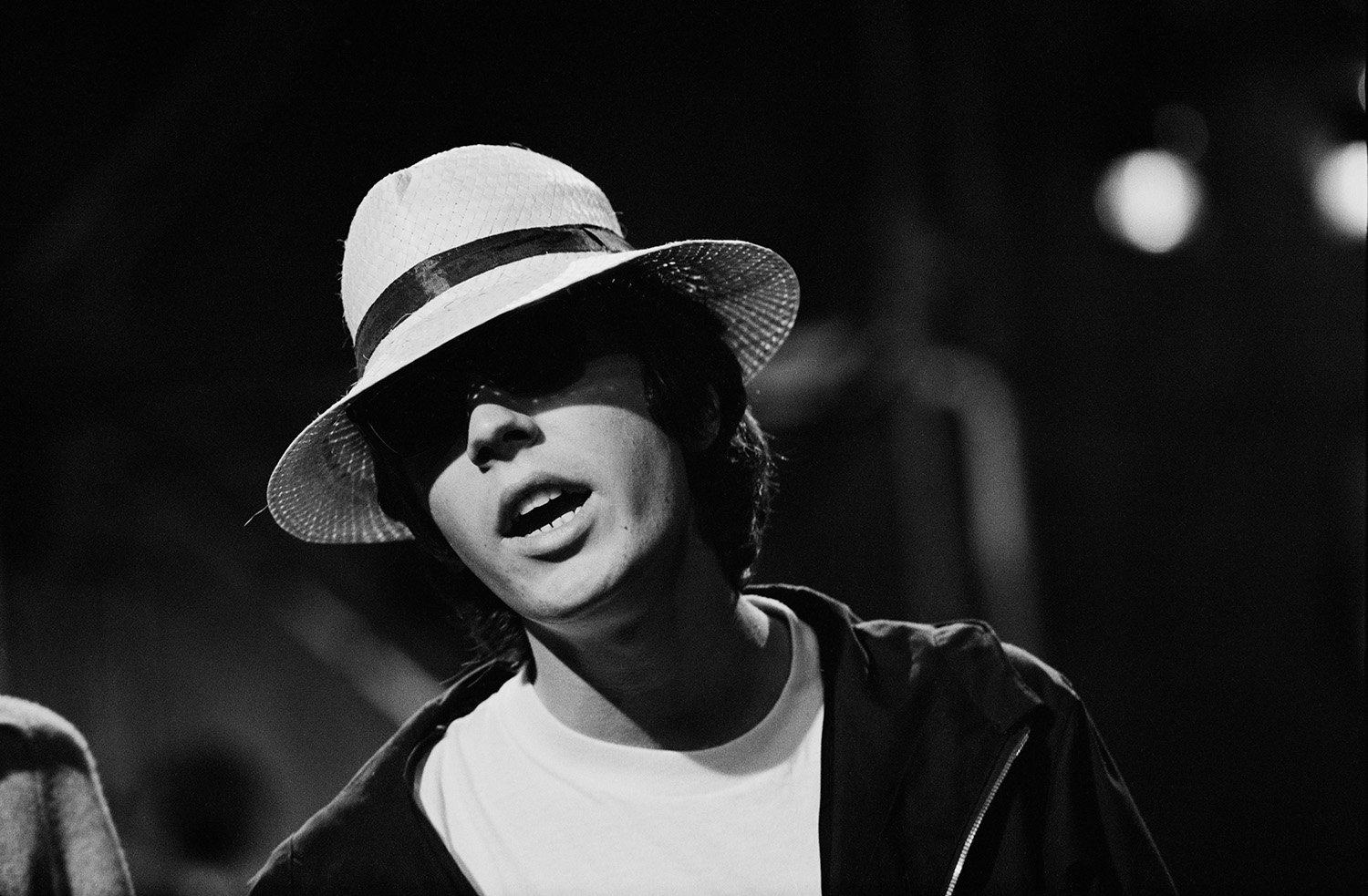
(Ivan Keeman / Redferns)
In their twilight years, some musicians, like Leonard Cohen and Marianne Faithfull, reach a point of artistic closure, achieving a harmony that can be sentimental, profound, or wry. Others, like the pop star turned sonic revolutionary Scott Walker, embrace the “late style” that Edward Said famously defined as “going against,” seeing later life as “an occasion to stir up more anxiety, tamper irrevocably with the possibility of closure, leave the audience more perplexed and unsettled than before.” Walker, who died in 2019, spent his final years writing and recording music that seemingly took up Said’s definition as a personal challenge.
A disillusioned pop idol by his early twenties, Walker shunned the fame he had reluctantly gained during the 1960s as one-third of the Walker Brothers to embark on a metamorphosis unique for a pop act. His four late-1960s solo albums broke sonic and lyrical ground, only to see him retreat into a wasteland of now long out-of-print cover albums in the early 1970s, followed by the reformed Walker Brothers’ 1975 adult contemporary album No Regrets. On the cover, Scott tellingly holds his hand up to obscure his face.
But soon Walker kicked off yet another bold artistic shift from luxe orchestral work to deconstructions of rock and pop forms with his contributions to the trio’s 1978 record Nite Flights. The dread and anxiety that hummed through those four tracks, then six years later shot through the center of 1984’s Climate of Hunter — Walker’s first solo album in ten years — finally surfaced in 1995’s Tilt, triggering a sharp upward curve into the high modernism of his late work.