Frozen in Time
The rich have it so good that one lifetime is not enough: some of them are turning to cryonics in the hopes of someday coming back for more.
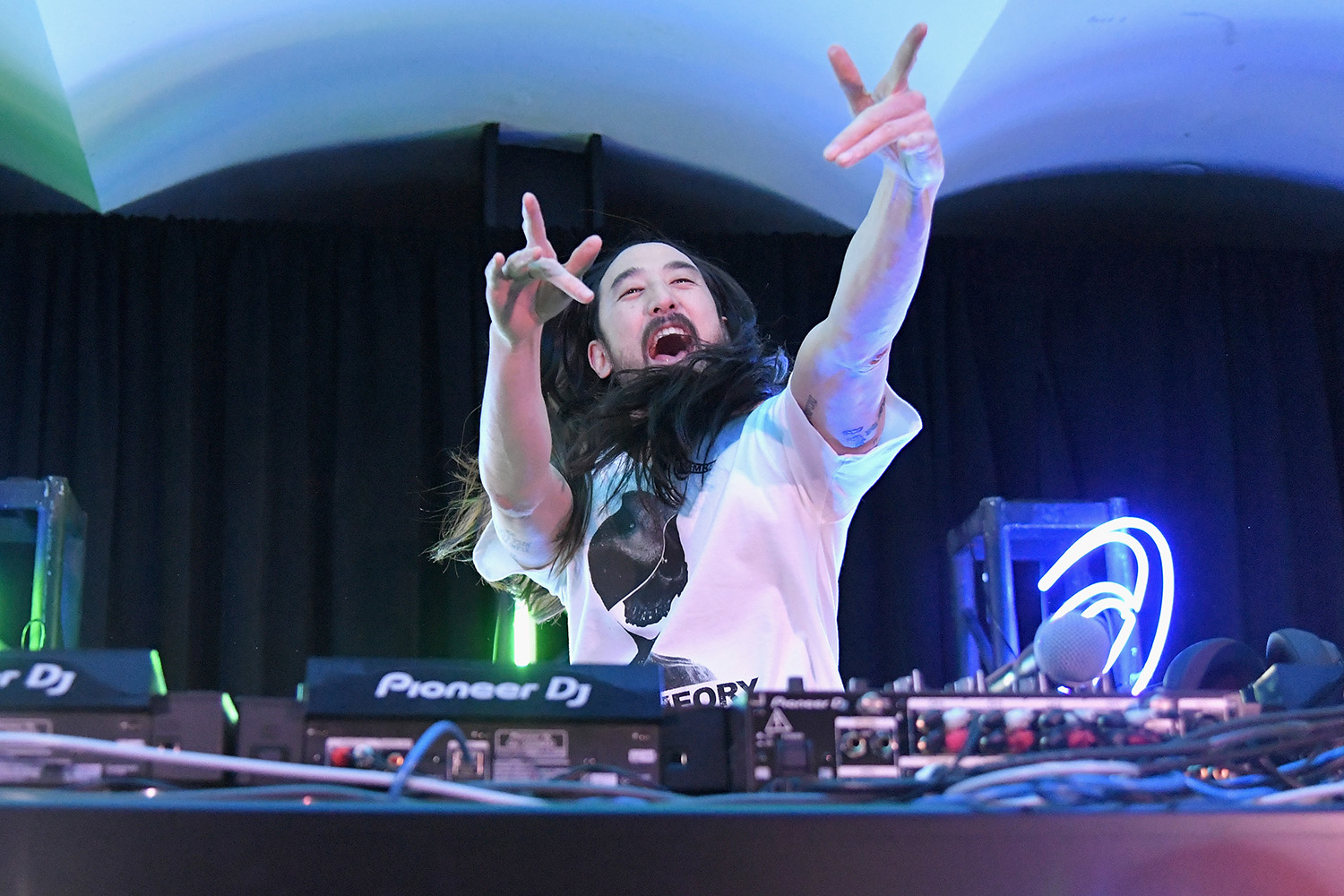
(Mike Coppola / Getty Images for ASICS America)
The baseball legend Ted Williams and (if the rumors are true) the film producer Walt Disney are not the only American celebrities spending their afterlives on ice; hundreds of people, in fact, have gambled that cryonics — the practice of storing human remains in a tank of liquid nitrogen — will preserve their physical remains until technology has progressed enough to reanimate their corpses.
The first attempts at cryonics date back to the 1960s, based on the theory proposed by physics professor Robert Ettinger, “the father of cryonics,” in The Prospect of Immortality. However, of the 17 documented attempts made before 1973, all but one resulted in catastrophic failures, including the decomposition of a human body into a “liquid plug.” Since then, technology has progressed enough that bodies-on-the-rocks can generally avoid liquefaction, but — despite the best efforts of cryonics companies like Alcor Life Extension Foundation and Ettinger’s own Cryonics Institute — they are no closer to reincarnation. What those companies are good at is fleecing their living clients, sometimes charging up to $200,000 to preserve their earthly remains. The start-up Nectome, in the business of freezing brains, charges the ultimate price: life itself. In exchange for the mere possibility that it might someday be able to turn a human brain into software, one must cough up a cool $10,000 deposit to be euthanized by the company by means of live chemical embalming.
Rich and famous people who plan to rise again
Seth MacFarlane, creator of Family Guy
Steve Aoki, DJ
Britney Spears, singer
Paris Hilton, socialite (along with chihuahua Tinkerbell and terrier Cinderella)
Peter Thiel, cofounder of PayPal
Dick Clair, actor