Only You Can Save Darfur
“Save Darfur” perfected a simple message: genocide is bad and must be stopped. But rather than examining the United States’ role in Sudan, it created a spectacle of American power and hierarchy.
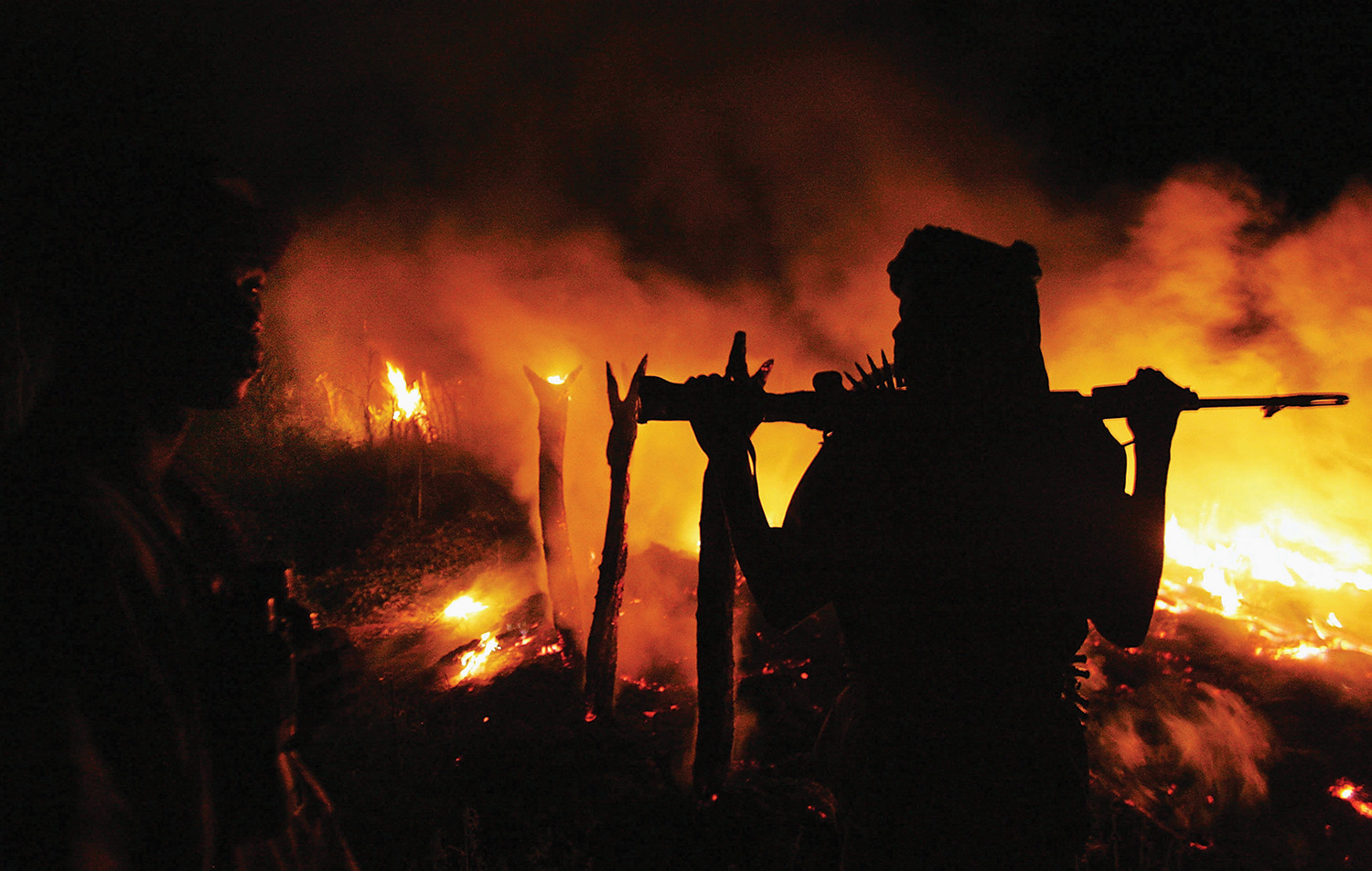
(Scott Nelson / Getty Images)
Darfur is once again on fire. Since fighting broke out between the Sudanese army and the Rapid Support Forces (RSF) in Khartoum on April 15, hundreds of thousands have fled Darfur. In mid-May, the RSF attacked El Geneina, a city in West Darfur, looting homes and medical facilities and killing at least 280 people in just two days.
The clashes have inflamed communal tensions between pastoralists and nomads, and both sides have armed communities. The killing of the governor of West Darfur, Khamis Abdullah Abakar, on June 14 presages an even worse intensification of hostilities.
Twenty years ago, in 2003, a war began in Darfur, as rebels drawn from its non-Arab populations rose up to protest their margin-alization and oppression at the hands of Omar al-Bashir’s government in Khartoum. Suspicious of his own army, al-Bashir recruited militia forces, known as the Janjaweed, to fight a counterinsurgency on the cheap.