When Sinatra Sang for His Life
The Kennedys, the Mob, and the FBI — the Rat Pack’s legendary 1962 residency at the Villa Venice brought the secret power structure of postwar America under one roof.
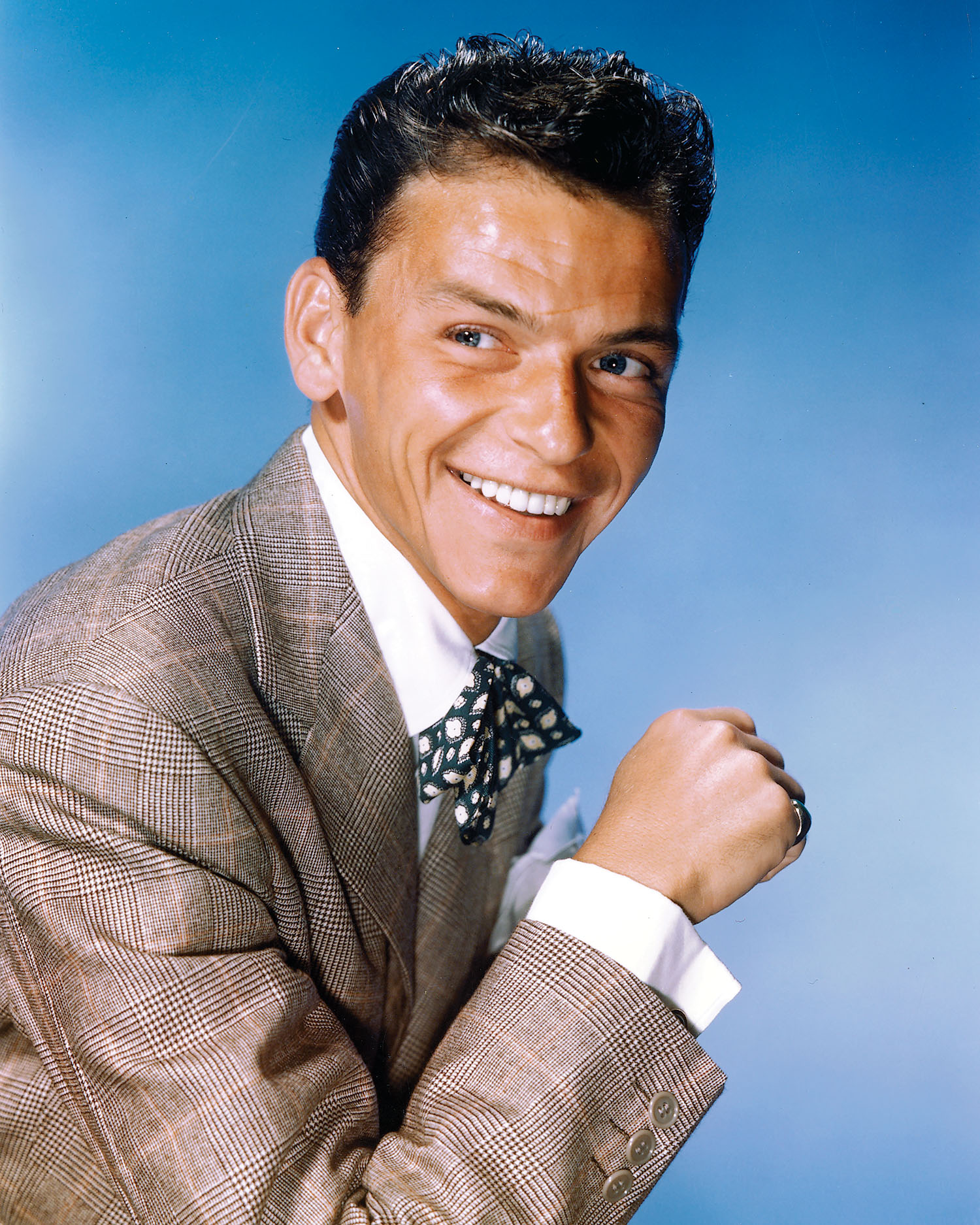
Silver Screen Collection / Getty Images
When Frank Sinatra sauntered onstage at the Villa Venice restaurant just before midnight on November 26, 1962, a thin frost coated the windshields of the FBI stakeouts up and down Milwaukee Avenue. It was the biting cold — more than the expected presence of the Feds, more than the evening’s extortionist contract terms — that consummated the abasement of the weeklong Rat Pack residency that kicked off that night.
Sinatra, Dean Martin, and Sammy Davis Jr were long past their days booking the Midwest, never mind in winter. Yet here they were, canceling six-figure shows in Las Vegas and Miami to play a godforsaken supper club on an icy and sewage-streaked bend of the Des Plaines River: a literal backwater.
How the group came to headline the 1962 grand opening of the Villa Venice is a better story than the heist at the center of Ocean’s 11, the 1960 movie that certified Rat Pack ownership of the period’s shoulder-leaning Vegas hepcat style, a celebration of song, booze, broads, and unfiltered cigarettes. Had Warner Bros. turned the Villa Venice residency into that film’s Technicolor sequel, it might have begun with Sinatra entering stage left on opening night, placing his drink on a stool, and snapping down the count on a jazzy cover of the Depression-era swing hit “Goody Goody.” The image would have to freeze after a few bars, capturing the smoldering resentment in Martin’s eyes just as Davis Jr’s voiceover intones, “We were the biggest names in show business. We had the world in our palms and classier places to be. How did we end up playing Nowheresville in November? Baby, it’s a hell of a story.”