Capitalism Is a Conspiracy
It’s easy to dismiss conspiracy theories as the powerful workings of the paranoid mind — but capitalism is the real engine of mistrust.
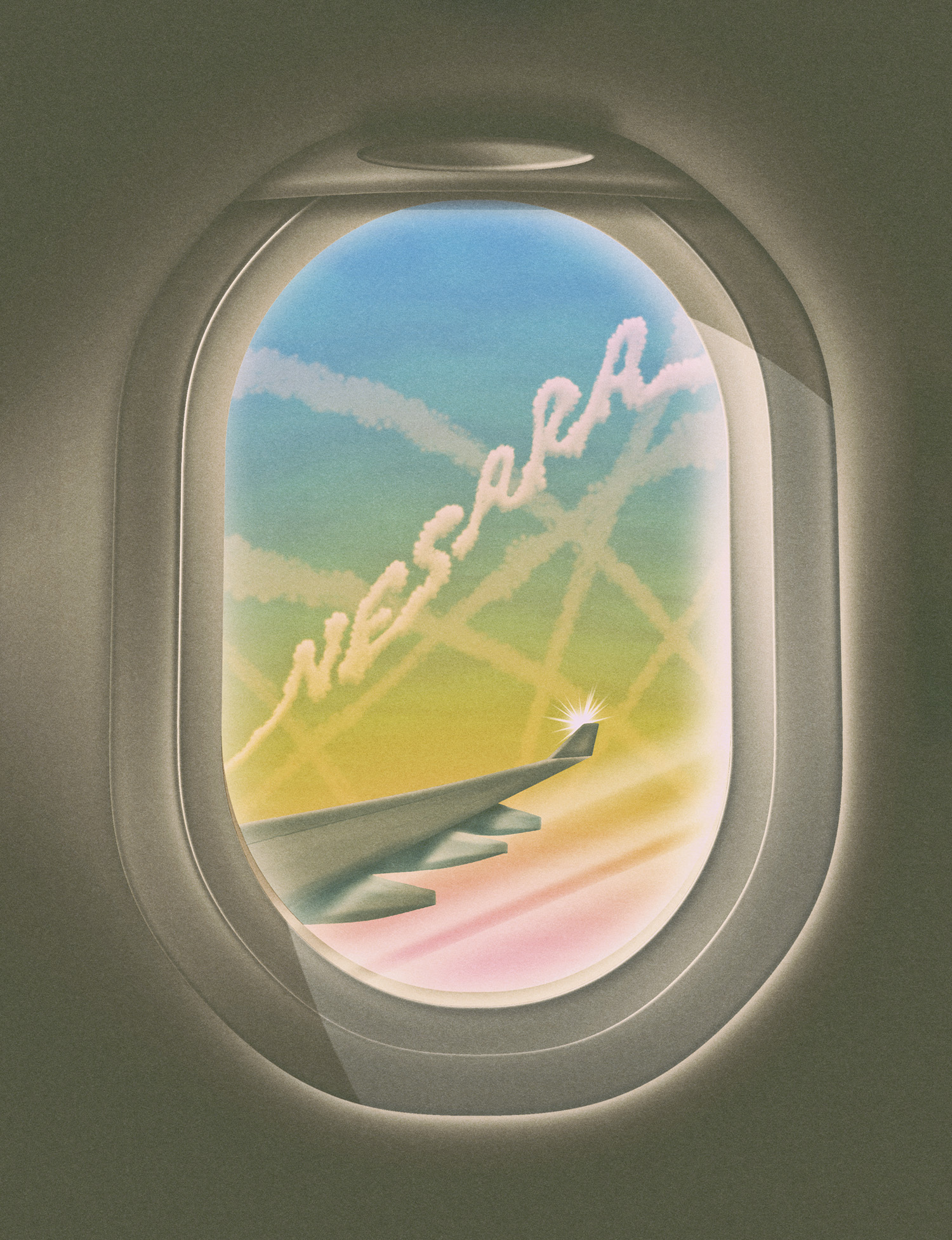
Illustration by Robert Beatty
What are QAnon adherents looking forward to? In the long strings of comments beneath Facebook, Parler, and GreatAwakening.win posts proclaiming Donald Trump’s imminent return to the White House, plenty of them have murder on their minds: “Hillary Clinton will be executed at Gitmo!” one proclaims. “I hope the gallows are installed already,” says another. The ranks of the condemned include everyone from politicians to TV personalities: Nancy Pelosi, Ralph Nader, Barack Obama, Michelle Obama, Alexandria Ocasio-Cortez, Oprah Winfrey, Will Ferrell, and even the late Queen Elizabeth II.
But not everyone is preaching fire and brimstone. Others turn their minds toward the policies that will shape the brave new world, some promoting a vision that doesn’t sound half bad: free health care, energy as a public good, the release of lifesaving medical patents, the expulsion of monied interests from politics, and more — a legislative platform of which a spared AOC might herself be proud.
A number of these ideas are echoed in the National Economic Security and Recovery Act (NESARA), an omnibus spending bill sweeping in its ambitions. Congress never even considered its passage when it was put forward by Harvey Francis Barnard, an obscure engineering consultant, in the 1990s. But the proposal soon took on a life of its own on the early internet, evolving into the purported panacea it is today. Many of its most circulated clauses are remarkably progressive in their orientation: they include increased benefits for senior citizens, the cessation of expensive American military actions abroad, the expansion of alternative energy infrastructure, and the cancellation of all credit card, mortgage, and bank debt.