Nationalism and the Great Recoil
Combating the nationalism of right-wingers like Giorgia Meloni shouldn’t mean defending the neoliberal consensus.
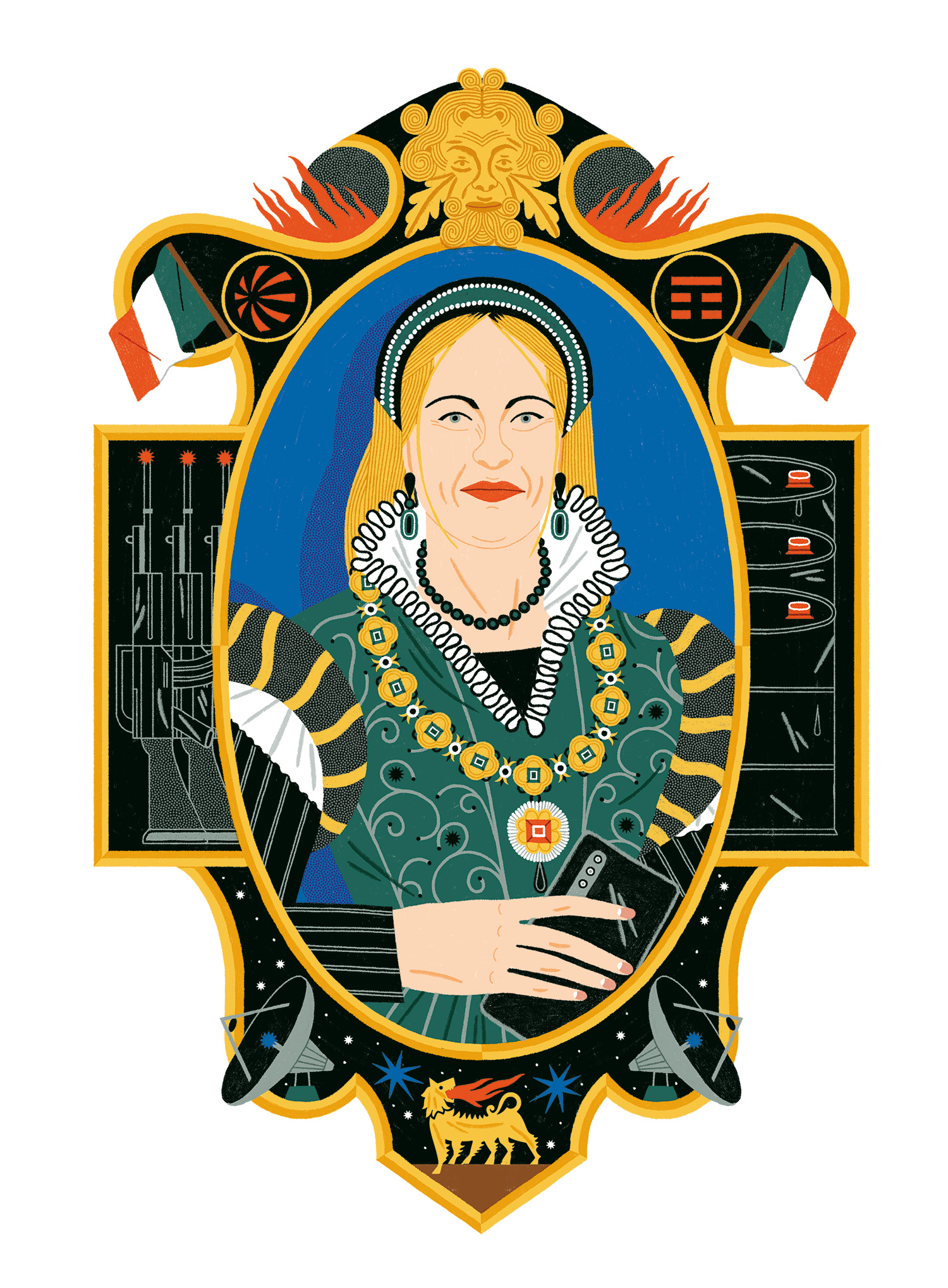
Illustration by Monste Galbany
In February 2020, just days before COVID-19 first struck Italy, some of the West’s most notorious right-wingers gathered in Rome’s opulent Grand Hotel Plaza. They were there for the “National Conservative” meetup — what organizers called a counter-summit to the “globalist” World Economic Forum at Davos. Guests included Hungarian prime minister Viktor Orbán and Marion Maréchal, heir to France’s Le Pen dynasty, plus lesser-known thinkers like Yoram Hazony, author of The Virtue of Nationalism. But the real star was Giorgia Meloni.
By the time of this conference, Meloni was already leader of the Fratelli d’Italia party — and in October 2022, she again put Rome at the center of the international far right as she became Italy’s first woman prime minister.
At this event, dubbed “NatCon,” Meloni set out her political agenda as “defending national identity and the very existence of the nation-states as the sole means of safeguarding people’s sovereignty and freedom.” She declared that those gathered in the plush hotel represented the opposition to the “globalists” — a term comprising financiers like George Soros, entrepreneurs like Bill Gates, European Union bureaucrats, and the media. Meloni accused these figures of “shift[ing] real power away from the people to supranational entities headed by supposedly enlightened elites,” and of threatening what ordinary people hold most dear: their identity. Nation, tradition, and religion would be the necessary bulwark against the globalist attempt to homogenize humanity and crush people’s freedom.