Communism in Words
A brief history of Esperanto.
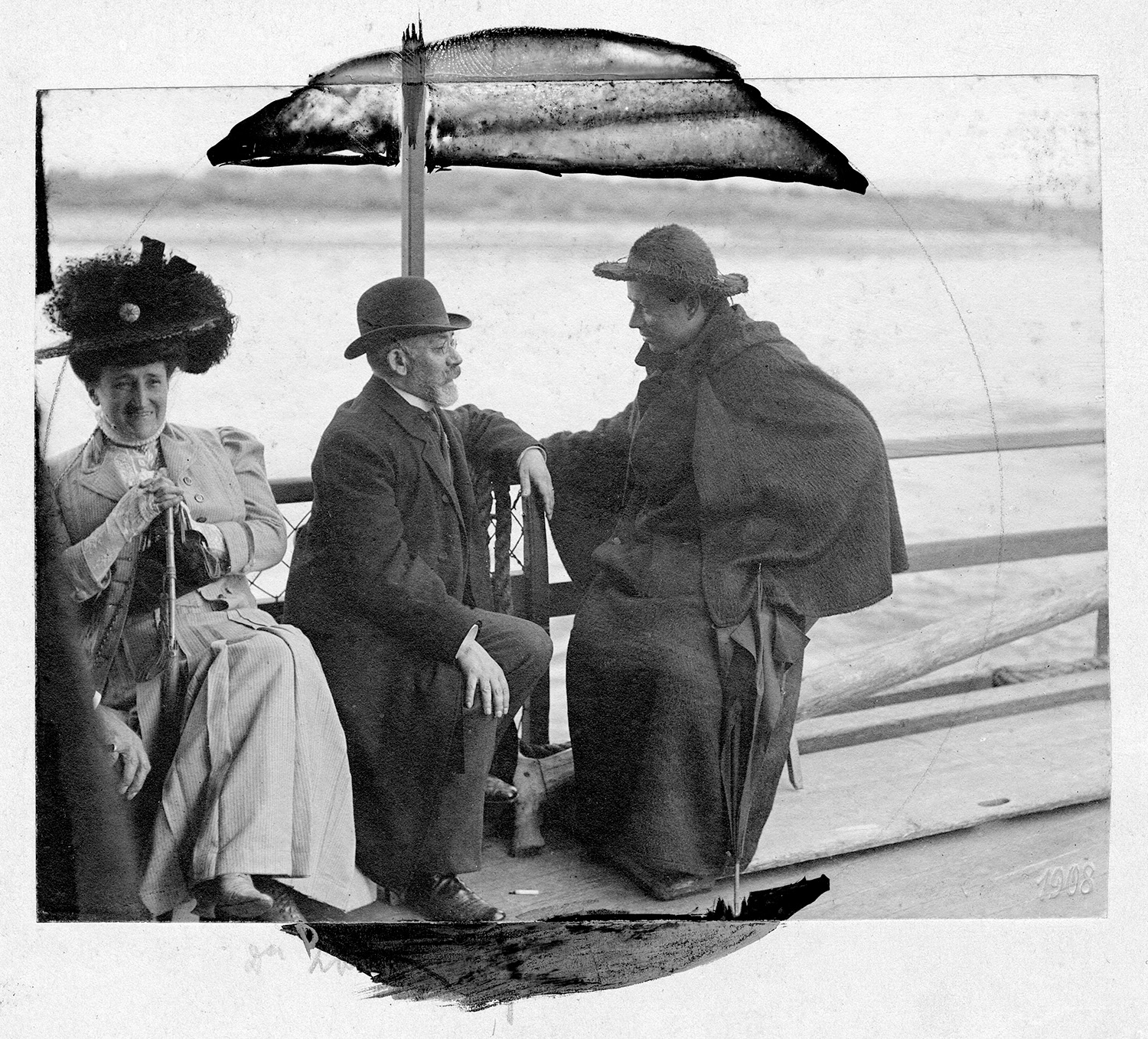
Ludwik Lejzer Zamenhof, creator of Esperanto, sits between two women. Zamenhof, an ophthalmologistby training, devised the language in the early20th century as a panacea for miscommunication. (Ulstein Bild via Getty Images)
My dad’s love of foreign languages began when he gave up bus conducting and crossed the English Channel to fight Francisco Franco and become a Communist. In Catalonia, a fighter told him that if the International Brigades had known Esperanto, they might have had more success. When someone at a Communist Party school called Esperanto petty bourgeois — then the Moscow line — he was shocked and disappointed. He told me later, “He’s wrong; it’s a good idea. It’s communism in words. One day, everyone will speak it.”
In the early twentieth century, many other revolutionaries embraced this language, seeing it as a tool to build international solidarity. Esperanto faded, along with many of those hopes, as it faced decades of attacks from fascist and communist states alike. But amid a rising tide of nationalism, its legacy is worth preserving.
The Hoping One
Ludwik Lejzer Zamenhof, born in 1859, created Esperanto to be a global second language. A Lithuanian Jew, Zamenhof grew up under Russian occupation and amid the tensions among Jews, Catholic Poles, Orthodox Russians, and Protestant Germans. He identified miscommunication as the main cause of this trouble.