The Class Conflict Between Elites and Workers Goes Back to America’s Founding
You wouldn’t know it from the widespread glorification of America’s “founding fathers,” but the years around American independence were shot through with class conflict between elites and working people. And most of the founding fathers were on the wrong side.
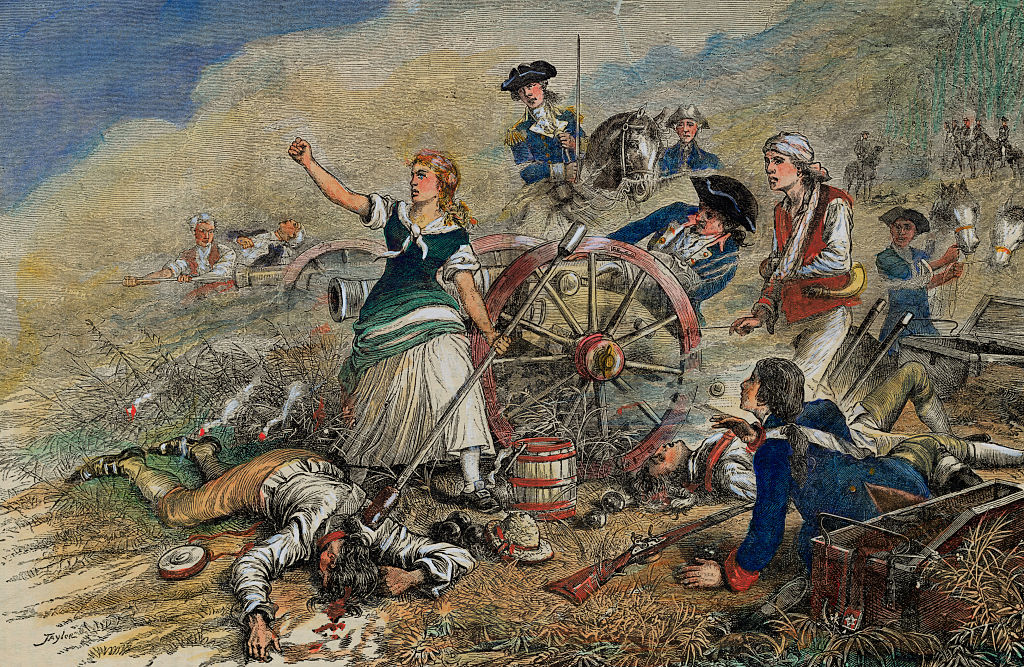
Engraving of the Battle of Monmouth on June 28, 1778, during the Revolutionary War. (Bettmann Archive / Getty Images)
If you listen to Jacobin Radio’s The Dig, hosted by Daniel Denvir, you know that the conventional story of the American revolutionary era, which portrays the war for independence as a simple struggle against British oppression, is a myth.
For one, it obscures the founders’ interest in accelerating and extending the dispossession of Indigenous people’s land by shaking off British curbs on westward expansion. In addition, the conceptions of freedom that predominated were fundamentally premised on the enslavement of Africans. William Hogeland’s book Founding Finance: How Debt, Speculation, Foreclosures, Protests and Crackdowns Made Us a Nation adds another important dimension to our understanding of this critical period.
In this Dig interview, conducted by guest host Astra Taylor, Hogeland narrates the violent conflicts over economics, class, and finance that shaped the US Constitution and shored up the power of the creditor class against poor, class-conscious, American radicals. Hogeland recovers a fascinating crop of mostly forgotten rebels like Herman Husband, the movements they led, and their radical demands that put the landlords and lenders of their day on edge. As Hogeland makes clear, financial clashes, foreclosure crises, investment bubbles, mercenary bondholders, scarce cash, regressive taxation, and war profiteering all made the United States what it is today.