“Whip Inflation Now”
As economic crisis grew in the 1970s, the government launched a sprawling campaign to enlist everyday Americans in a fight against inflation. But the last four decades have soured the public on such calls for self-sacrifice — and for good reason.
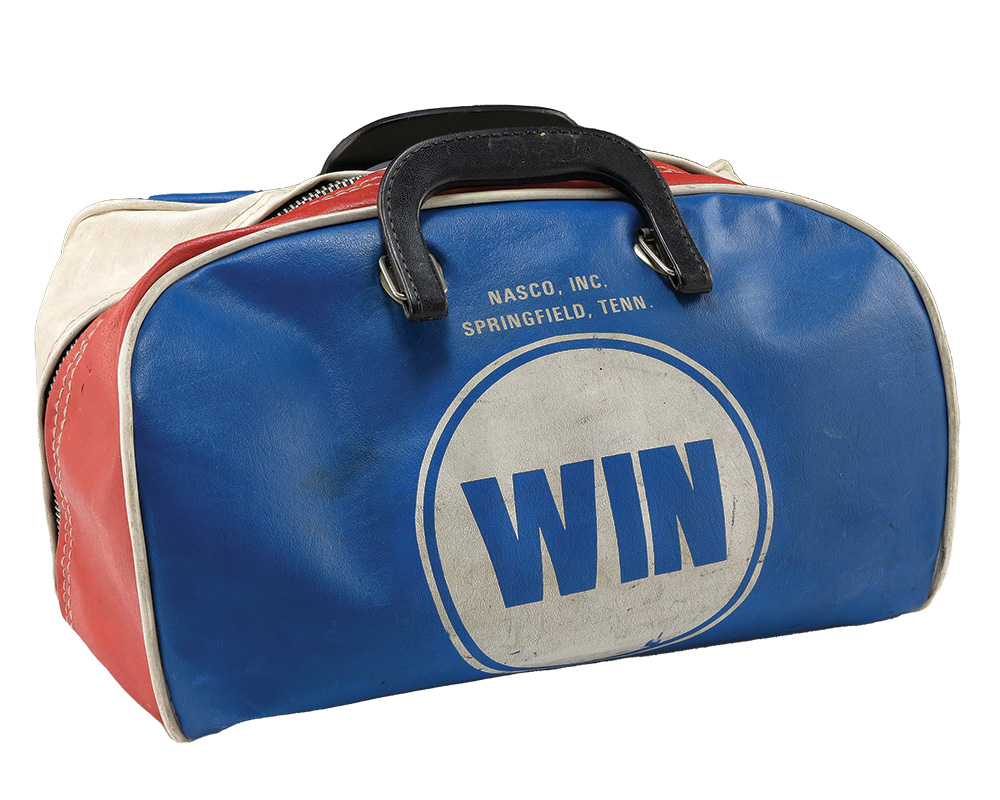
We’re hearing a lot right now about how this is the “worst inflation in forty years.” While the invocation of the early 1980s summons the Jimmy Carter era “malaise,” the roots of that inflationary spike go back much further. The Bureau of Labor Statistics called the period from 1968 to 1983 “the definitive era of sustained inflation in the 20th-century United States.”
Our sticker shock today differs greatly from the frog-slowly-boiling-to-death period between Lyndon B. Johnson and Ronald Reagan — and not just in its suddenness. There’s also been a loss of a sense of shared suffering, of solidarity in dealing with the effects of inflation, over the past half-century. Whether collective or individual, efforts to blunt the impact of inflation — thrift, carpooling, clipping coupons — were part of the working class’s tool kit to fight rising prices.
But the ruling class in this previous era also realized a restive public would not stand for nothing being done about inflation, which profoundly affected the cost of all life’s necessities: food, energy, housing. American consumers during this “definitive” inflationary period were met with a surprising level of explicit acknowledgment that there was a crisis from the political and economic powers that be, and that the crisis required big action — or at least big talk about action.