“We’re New — We Don’t Have Any Customs”
Two films about the Tennessee Valley Authority stress its utopian promise and the lives that had to be destroyed to fulfill it.
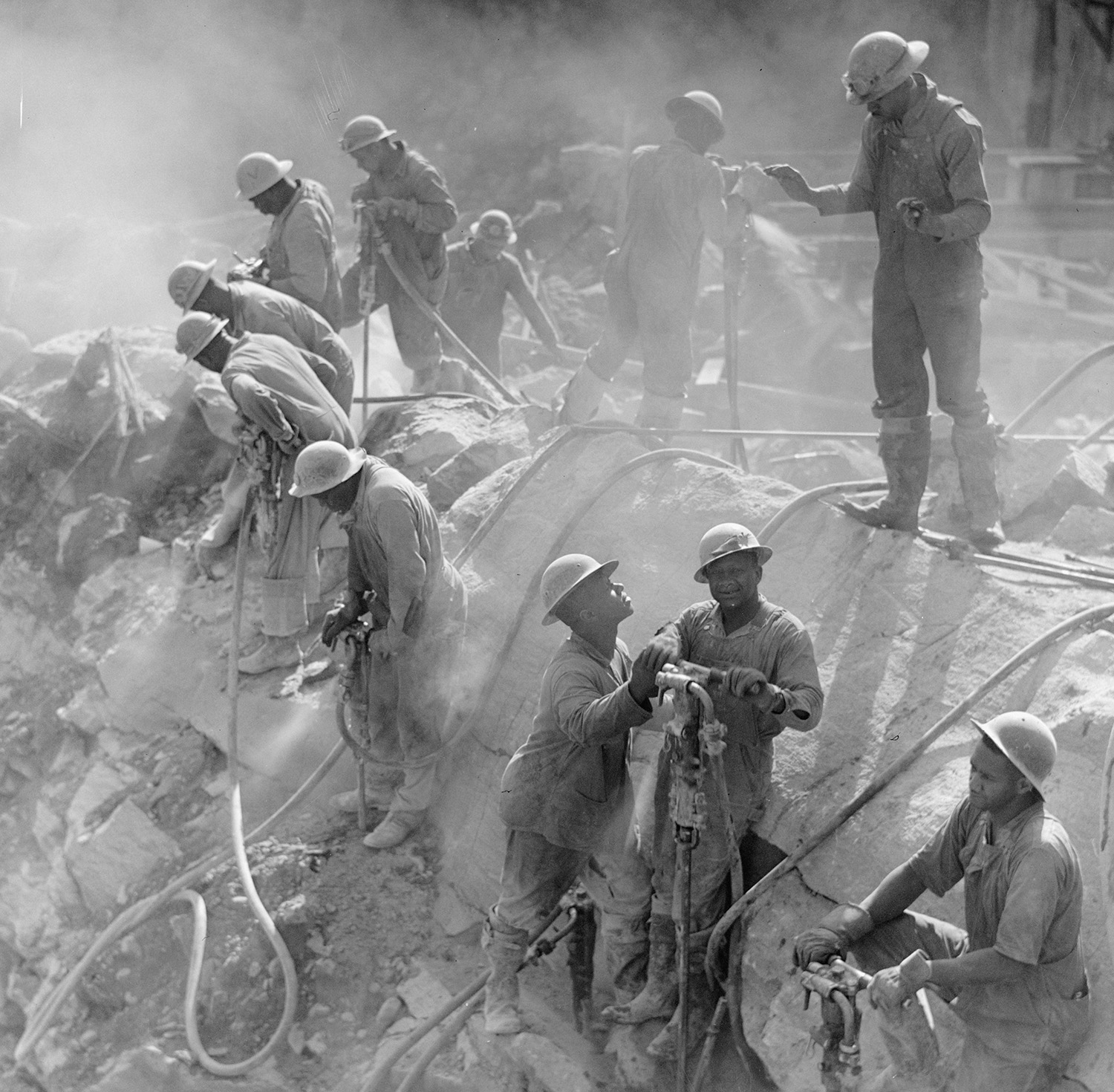
Construction of Fort Loudoun Dam on the Tennessee River began in 1940 and was completed in 1943. It still generates 151 megawatts of electricity a day.
If you want to be moved in complex ways by the lost ideal of great American infrastructure as a boon to a democratic society, I can recommend a film experience for you.
First, watch the 1944 documentary short Valley of the Tennessee. It pays tribute to the Tennessee Valley Authority (TVA), a federally owned utility company created in 1933 as part of the New Deal to improve the lives of deeply impoverished Southern citizens, many of whom still lacked power and electricity. Second, for your feature film, watch Elia Kazan’s Wild River (1960), a drama on the same project. Together, the films are a one-two punch, both affirming the necessity for moving into modernity and lamenting what it costs us.
Valley of the Tennessee, directed by Alexandr Hackenschmied, is the kind of government-backed documentary you might at first feel is beneath you — a combination of newsreel footage with a fictionalized storyline starring nonprofessional actors on actual TVA locations. It seems stiff and didactic, with a “voice of God narrator” (Fredric March, a prominent Hollywood actor and leftist). Its plot illustrates the recalcitrant reactions of local farmers to the TVA projects and how they’re gradually won over. You’ll note in several newsreel shots that the dam-building crews are made up of black as well as white men, working together, a point that will be much elaborated on in Wild River. There’s a montage of hands — one pair black, holding a beam, one pair white, hammering — cut together to create a new film-made effort of labor, united across racial lines.