The African Infrastructure Scam
How Western finance uses the promise of critical infrastructure to loot Africa.
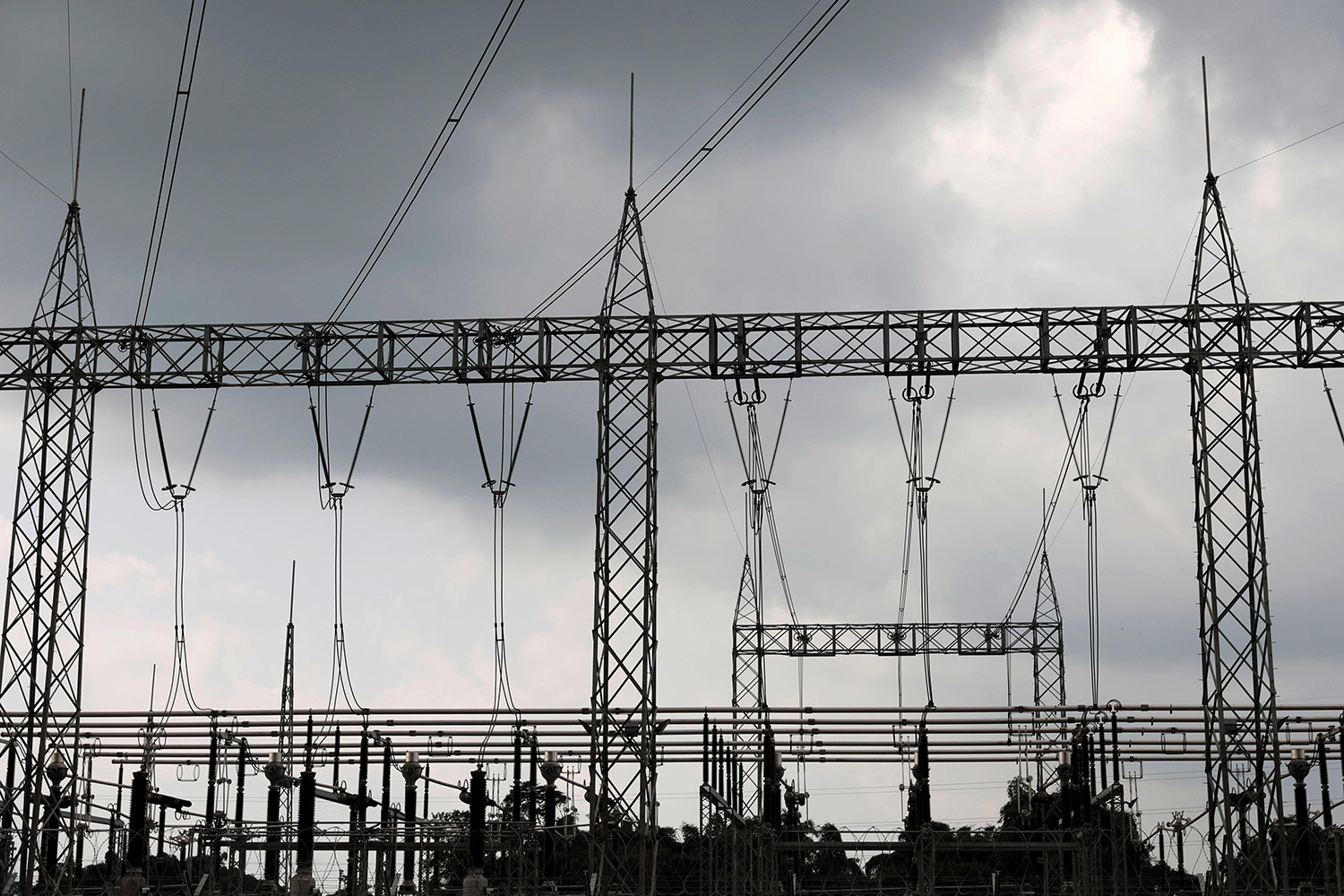
Electrical power lines at the natural gas–powered Azura-Edo Independent Power Plant in Benin City, Nigeria, June 2018. Nigeria has the capacity to produce upward of 12,000 megawatts of electricity each day but often dispatches only 4,000 (Getty Images).
In May 2018, Nigeria’s first entirely private sector power plant, the Azura-Edo, began making energy. The natural gas plant was projected to produce more than a third of the country’s power-generating capacity. A year later, Azura invested in another gas power plant, this one in Senegal, with support from the private equity firm Actis and the infrastructure investment platform Africa50.
These two plants are among an array of infrastructure projects sprouting up across Africa, supported by institutions like the Programme for Infrastructure Development in Africa (PIDA) and the World Bank. The narrative of these groups is familiar: African infrastructure is needed to advance “economic prosperity and sustainable development,” and the continent has an infrastructure financing gap of $68 to $108 billion a year, which requires public institutions to leverage private investment in the form of public-private partnerships (PPPs).
But as denizens of the Global South have learned, these “partnerships” come at a severe cost — one borne by the public, not by private investment.