On Canceling Writers
While certain writers or texts might fall afoul of polite society today, great writing can and will never stay canceled.
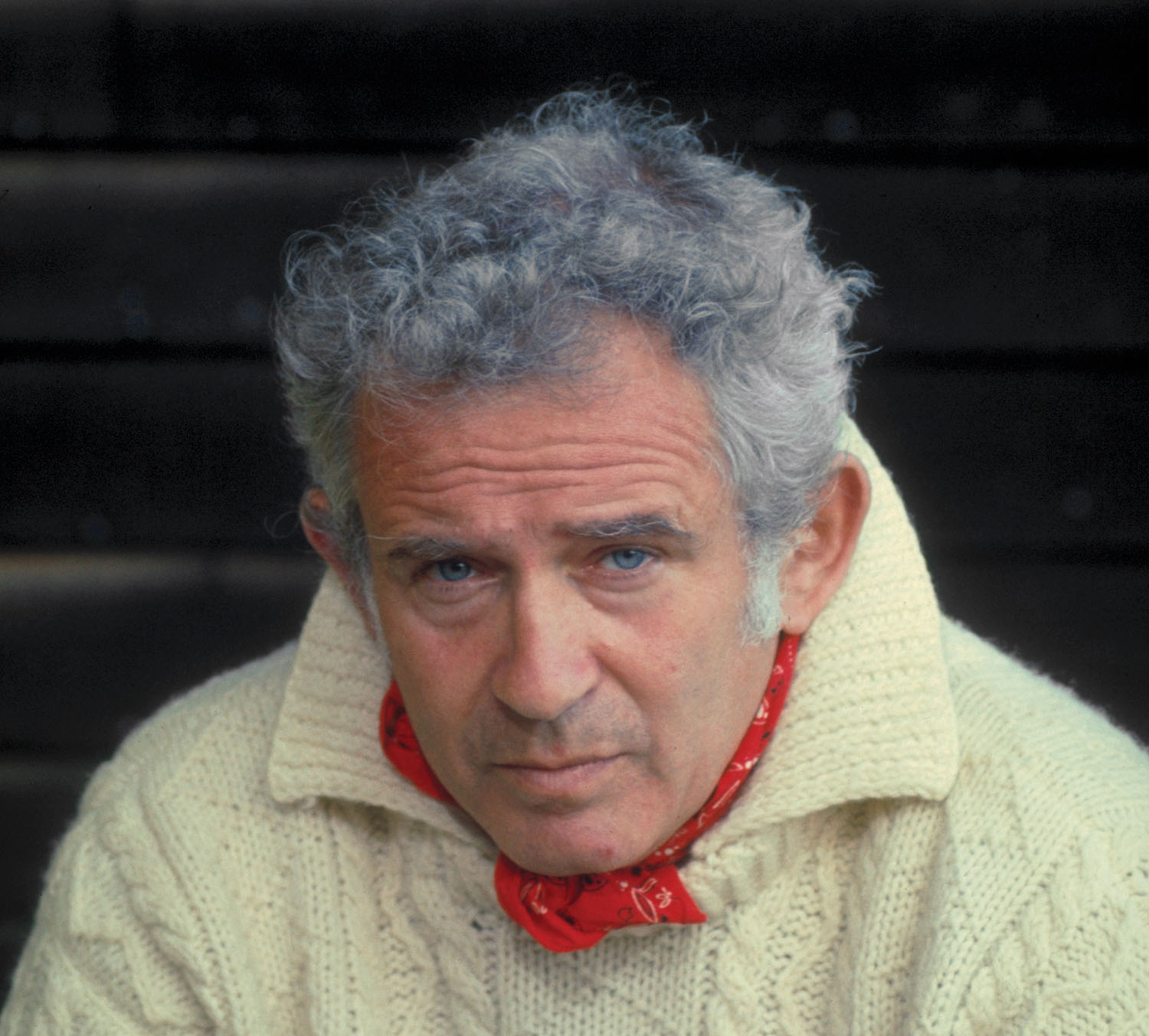
Norman Mailer (Getty Images)
The status of literary reputation is in a funny place. On the one hand, we inhabit a necrophiliac literary culture. Lost classics, never-before-translated classics, and unjustly forgotten geniuses are exhumed every month, and laurels are placed on their authors’ skeletons. “The proper response to this is surely celebration,” the critic Madeleine Schwartz wrote in a 2019 review of Elsa Morante’s 1957 novel Arturo’s Island. “But I can’t help feeling a bit depressed that so many of the cool new writers are dead.”
On the other hand, a new anxiety has attached to the already famous dead: the specter of oblivion as a casualty of culture war. Of course, oblivion is the natural state of things for most writers and artists, and it usually sets in before they die, if they were lucky enough for things ever to be otherwise. But recent controversies over posthumous reputations, all putatively being argued on moral grounds, seem to me something else entirely: the language of morality enlisted for the purposes of marketing, publicity, and literary consumerism.
Consider the recent case of Norman Mailer. On January 3, Michael Wolff reported for the newsletter The Ankler that Random House had canceled the publication of a new Mailer collection because of “a junior staffer’s objection to the title of Mailer’s 1957 essay, ‘The White Negro’ ” and “the objections of feminist and cultural gadfly Roxane Gay.” Wolff’s sources were Mailer’s son, the film producer Michael Mailer, and unnamed employees of Random House. “A world without Norman Mailer — this new intellectual nanny-state — surely harms the literary consumer,” Wolff concluded.