How to Make the Internet a Truly Public Good
Four lessons from Ben Tarnoff’s Internet for the People.
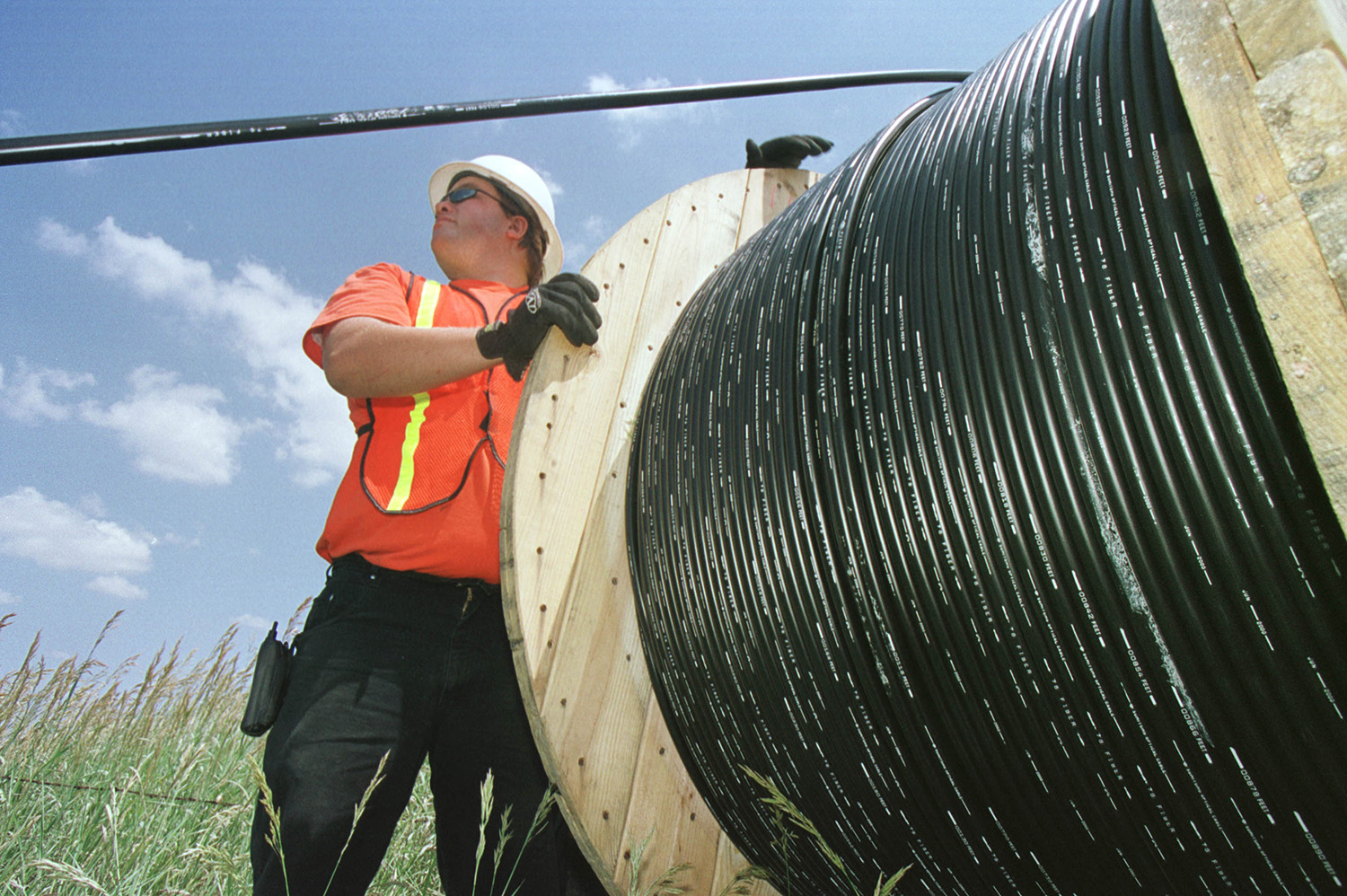
Photo by Michael Smith/Getty Images
Despite being a fundamental infrastructure of the modern world, internet access everywhere is privately held and price gouged for enormous profits. Data privacy violations, the digital spread of right-wing propaganda, and the algorithmic reification of race all have profit motives. When alternatives do arise, broadband and tech companies are quick to challenge them in court. In Internet for the People: The Fight for Our Digital Future, Ben Tarnoff offers a few socialist solutions to this seemingly intractable problem.
1. Stop Subsidizing Broadband Providers
Each year, private internet service providers (ISPs) like Comcast and Verizon receive billions in public funds and financial incentives to encourage broadband investment in poor and rural areas. Much of this money, however, ends up back in the pocket of shareholders — and large swaths of the American public continue to grapple with poor internet access. Tarnoff says we shouldn’t be surprised: private broadband companies are responsible for causing connectivity inequality in the first place, and incentives don’t outweigh the cost of extending affordable broadband access. It’s time to use public funds to imagine alternative futures without private ISPs.
2. Invest in Community-Owned Networks
While private ISPs leave behind poor and rural areas in search of greater financial gains, hundreds of community-owned ISPs across the country have a different priority: not to maximize profits but to maximize the speed and quality of their network for local users. Publicly owned and community-owned ISPs receiving funds may be necessary to employ collective governance and encourage popular participation, giving members of the community say over their services — including its cost. But community-owned networks aren’t just good in theory: the Electric Power Board (EPB) of Chattanooga, a municipal broadband company based in Tennessee, offers some of the fastest internet in the country at some of its lowest rates. And the rates would be even lower if state law didn’t prevent utility companies from selling services below cost and thereby challenging private companies. Says Tarnoff, “To put people over profit,” as the EPB has done, “you need to create spaces where the people can rule.”