We Built the Golden Age
The culture of British trade union militancy in auto plants like Austin Longbridge wasn’t the “natural” result of a Golden Age of capitalism — it came from organizing.
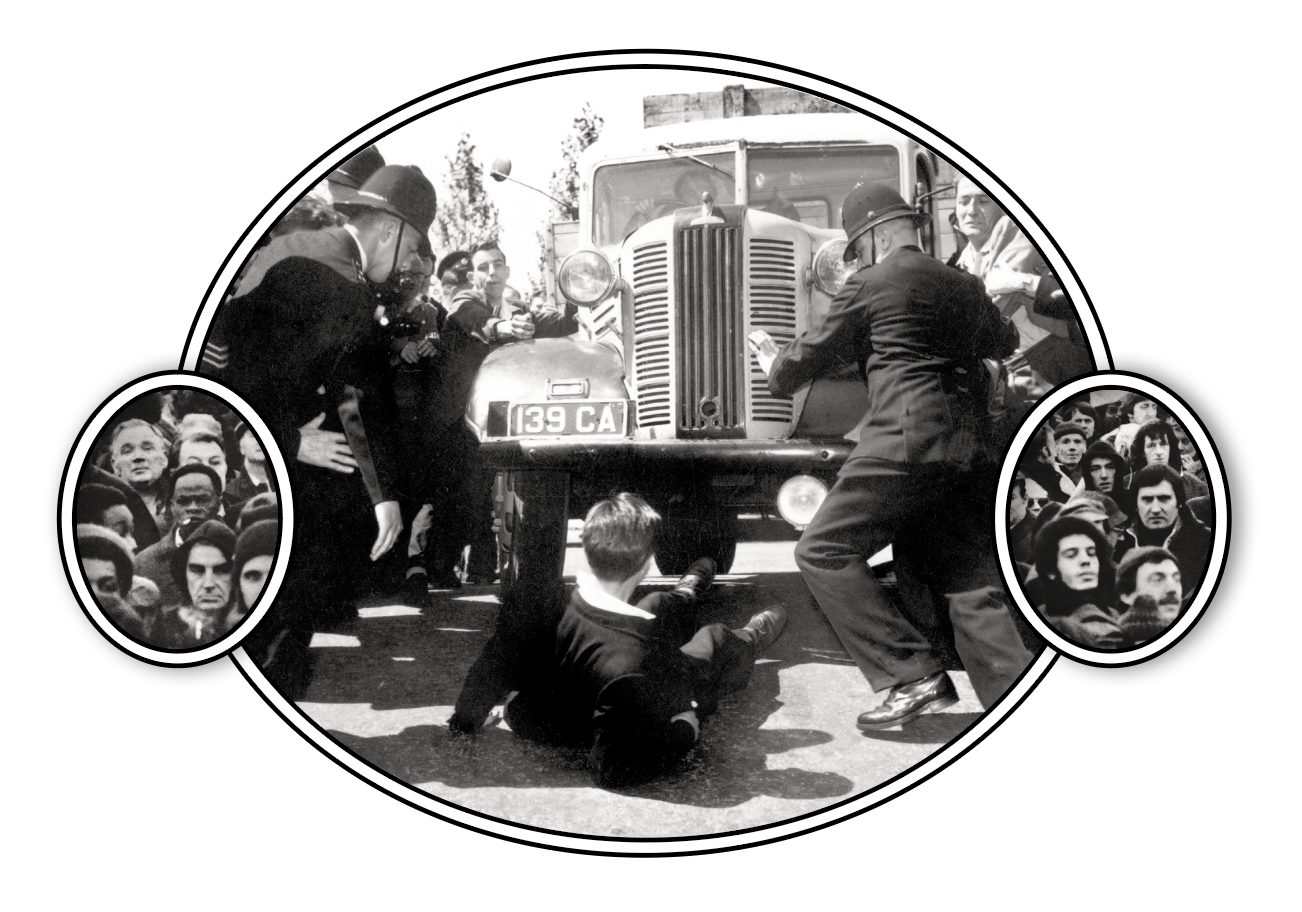
In England’s second-largest city, Richard Albert “Dick” Etheridge was a legend in the trade union movement. There, Etheridge, a lifelong member of the Communist Party of Great Britain, sat for nearly thirty years as the works convenor — the chief shop steward — at Birmingham’s biggest auto plant, Austin Longbridge, from which twenty thousand workers churned out thousands upon thousands of the iconic Mini car.
The Longbridge plant had become a byword for industrial militancy by the time Etheridge stood down as its convenor in 1975. The plant is often the first place that comes to mind when Britons of a certain age reminiscence about how “the unions ran the country” back in the 1970s. Built in 1906, it was the kind of place that racked up hundreds of walkouts, sit-downs, and strikes, year after year, as workers and bosses fought out disagreements great and small. The union wielded so much power that company bosses liked to joke that Etheridge’s successor, Derek “Red Robbo” Robinson, would “run the factory and use the managers as consultants.”
Precarity Was the Norm
Yet, like most British auto firms, Longbridge was not exactly a union fiefdom when Etheridge came to work there as a thirty-one-year-old in 1940. Although British trade unions had established a significant presence in the industry in the wake of World War I, they lost much of that power after the 1926 general strike’s defeat. Companies like Austin, Morris, Rootes, and Standard, as well as the UK branches of Ford and General Motors (Vauxhall), all successfully pushed union activists off their production lines, largely restricting membership to a craft worker elite.