The Black Death Helped Bring About the Modern World
The Black Death wiped out a third of Europe’s population in just a few years. But the peasants and laborers who survived wielded newfound power over their masters.
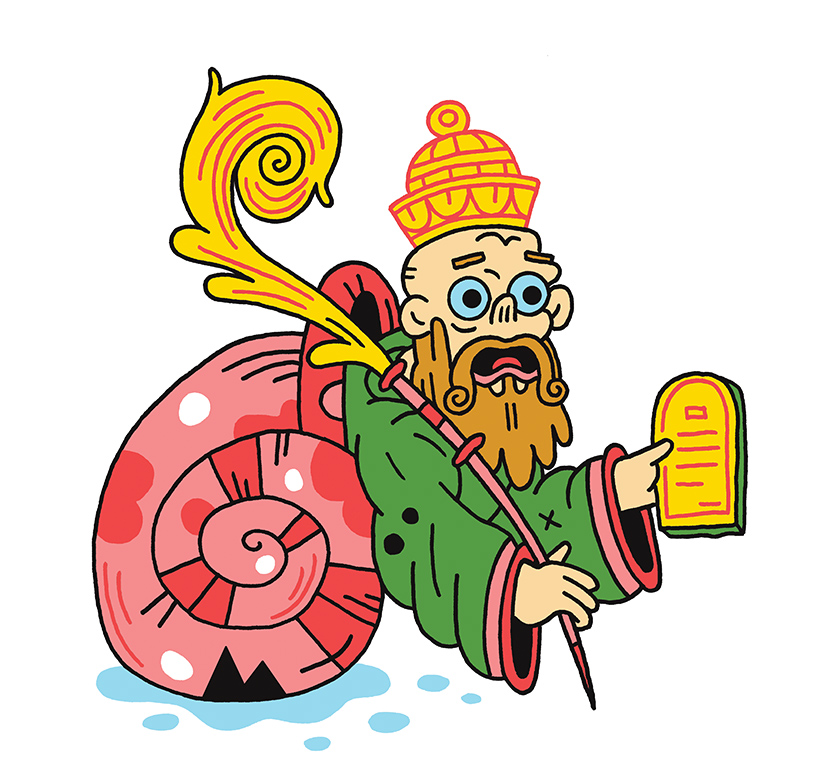
The Black Death was the greatest calamity ever to have struck Europe, more lethal by far than the destructive wars of the twentieth century. In the space of a few years, the mysterious plague wiped out as much as a third of the European population.
Historians coined the term “Black Death” long after the great catastrophe had subsided. Most scholars today believe it was a form of bubonic plague, although that remains a point of contention. Whatever biological agent caused the pandemic, it spread from Central Asia to Europe and the Middle East in the 1340s, helped along by the gigantic trading zone that the Mongol conquests had forged during the previous century — a precocious form of microbial globalization.
This tidal wave of disease struck a population already weakened by the famine of 1315–22, the worst Europe had known for a thousand years. It kept on resurging after the initial plague of 1347–51: England alone suffered thirty-one outbreaks between 1348 and 1485. The Black Death affected every part of the continent, from the largest cities to isolated rural hamlets. Even the Norse colonies in Greenland fell victim to its lethal spread.