Propagandists of Privilege
Corbyn’s experience is proof: if the media won’t give the Left a fair hearing, they can be circumvented.
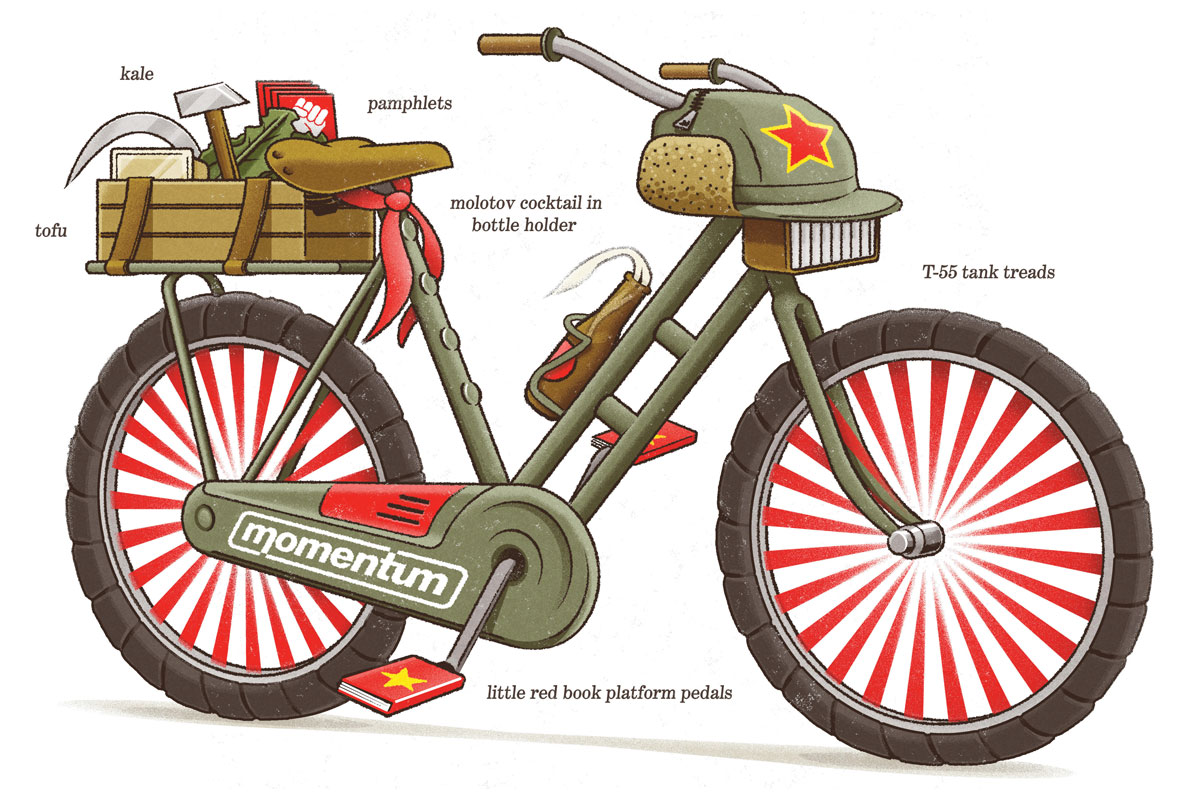
Illustration by Tony Ruth
On September 12, 2015, Jeremy Corbyn stepped onto the stage at the Queen Elizabeth conference hall opposite the Houses of Parliament, after his first-round victory in the Labour leadership election. He was no longer an unassuming backbench mp, but now — in the words of the Guardian — “one of the most left-wing, anti-establishment leaders in its history.” In the weeks leading up to the result, poll after poll showed Corbyn was leaving his rivals in the dust, with existing members, and thousands of new members and supporters, enthusiastically backing the man every mainstream media outlet insisted had no chance of winning.
In a TV studio an hour earlier, a former advisor to Tony Blair argued in a debate with me that even if Corbyn secured more votes than initially anticipated, in all likelihood after votes were transferred, Corbyn’s closest competitor, Andy Burnham, would win. The journalists I spoke to that morning refused to entertain the idea that Corbyn could possibly win, and insisted the level of public interest in the contest was exaggerated. Reality disagreed with these expert opinions.
Sitting in a packed central London pub with trade unionists just before the announcement, the bar staff switched the televisions to the bbc coverage: as his first-round victory was confirmed, the pub’s patrons — football fans drinking before an Arsenal match — cheered. Underdogs winning in politics held as much appeal for the men clapping and chanting as it did for our table of left-wing nerds.