Our Very Own Albert Speer
The architect Philip Johnson had some good qualities. He was also talentless, a fascist, and a liar.
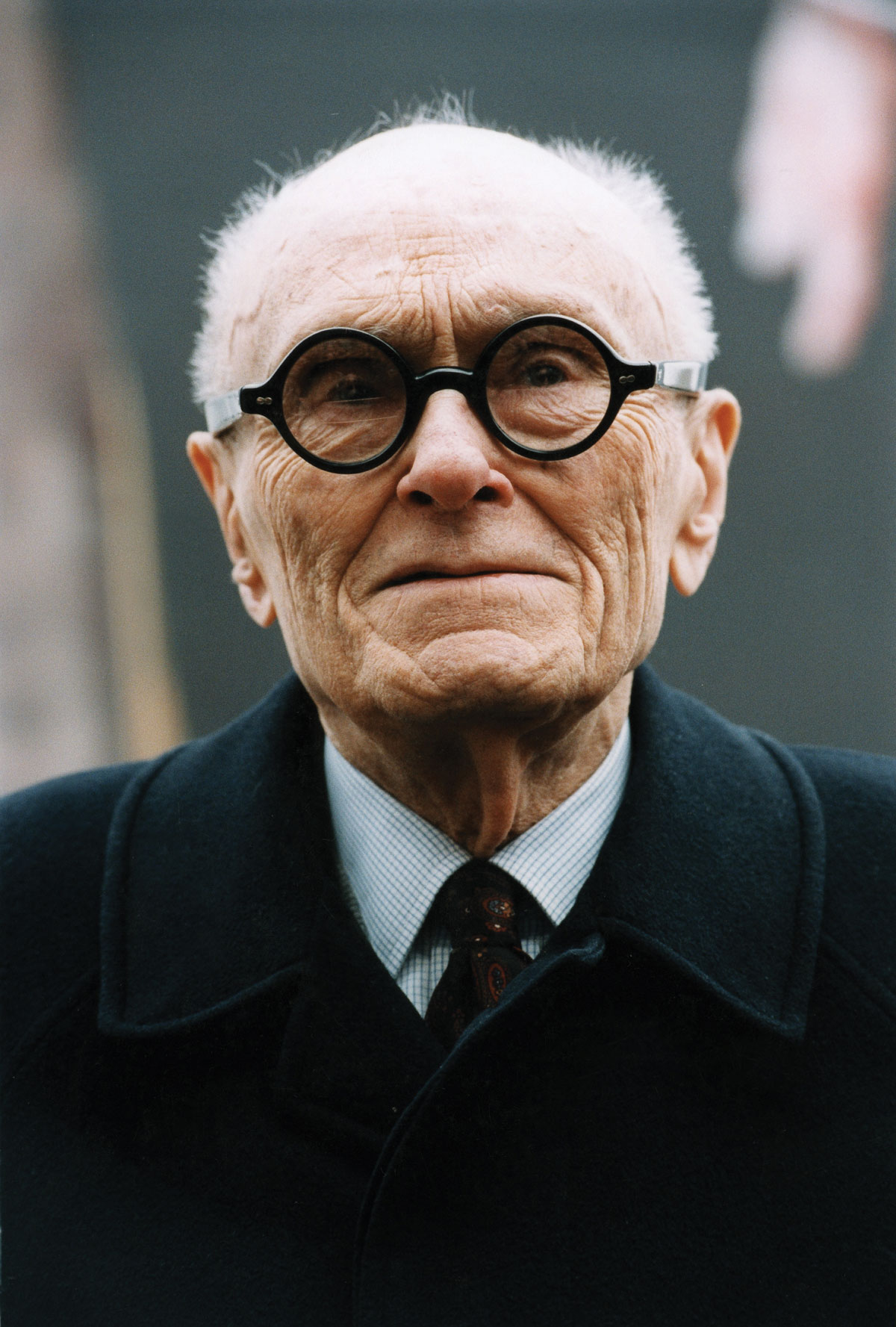
He Was Neither: “Nobody can be original. As Mies van der Rohe said, ‘I don’t want to be original. I want to be good.’”
The man Donald Trump once called “Philip Johnson, the Legend” was the most important American architect of the twentieth century. If there was some doubt before, there shouldn’t be after Mark Lamster’s new biography of him.
That’s not the same as the most talented, most interesting, or anything so prosaic — but for decades, hardly anything happened in architecture in the United States without Johnson’s involvement. The story of how this happened is an eye-opening one about the awful power of inherited wealth, and how it can help you get away with anything — in Johnson’s case, that ranges from the minor questions of not being a particularly good architect to the major question of being an active fascist.
Philip Johnson was an idle-rich dilettante from Cleveland; his fortune largely came from Alcoa aluminium, which he plugged whenever he could. On a gap year jaunt around Europe, he found he liked architecture, and unusually at the time for an American of his class, he liked the modern architecture being developed by reformist architects and social-democratic municipalities in Czechoslovakia, Germany, and the Netherlands, which had rejected ornament and historical continuity in favor of a machine aesthetic of stark, if often colorful, forms in space.