How to Burst a Bubble
The mortgage crisis in four charts.
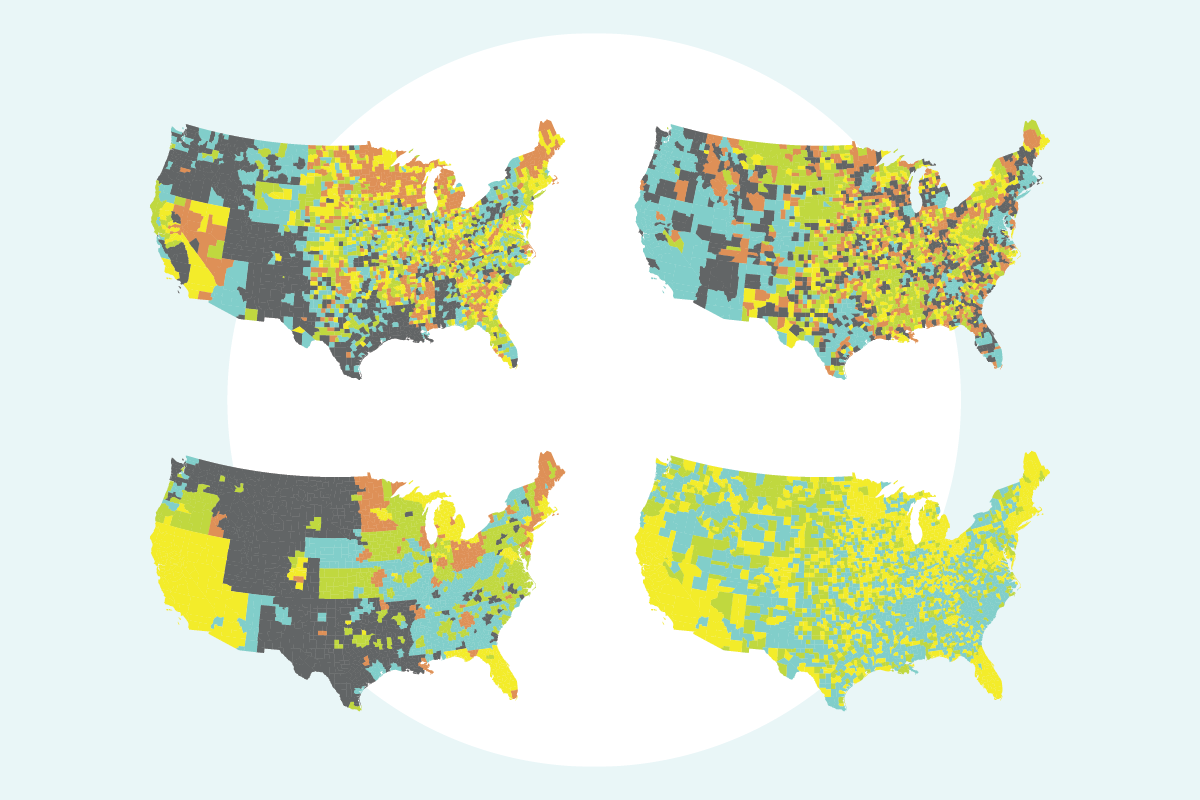
Data from the Federal Reserve: federalreserve.gov/newsevents/speech/bernanke20080505tbl.htm
Even more than the 1950s, with its picket fences and Sears-Roebuck houses, the early 2000s were the boom years of the American dream. From the Sunbelt to the Great Lakes, house prices kept going up, banks kept extending credit, and each new house constructed was more lavish than the last.
Newfangled financial practices gave banks a way to get risky mortgages off their books by generalizing risk across the whole housing-finance system. At first, the advent of “subprime” lending promised to correct the historical inequities of American homeownership by flooding previously redlined areas with mortgage credit — but this turned out to be a massive swindle.
A lending bonanza ensued as banks generated new mortgages as fast as they could print the paperwork, manipulating low-income borrowers into accepting predatory loans. Before long, the subprime revolution metastasized beyond previously redlined urban centers, eventually ensnaring nearly all of the country’s fastest growing housing markets, including California, Florida, the Great Lakes region, and Nevada.