Questioning October
Lenin and the debates that shaped the Russian Revolution have been misunderstood by friends and foes alike.
The Russian Revolution of 1917 has long been an object lesson suitable for drawing edifying morals. Everyone looks at it in order to discover the great mistake — moral, political, ideological — that led to disaster.
Having discovered the mistake, we can feel secure that we would have avoided disaster and superior to all those who have not yet seen the error of their ways. The human reality of the revolution — the overpowering sense of being caught up in a whirlwind of events — is lost as we hurry to draw lessons and point fingers.
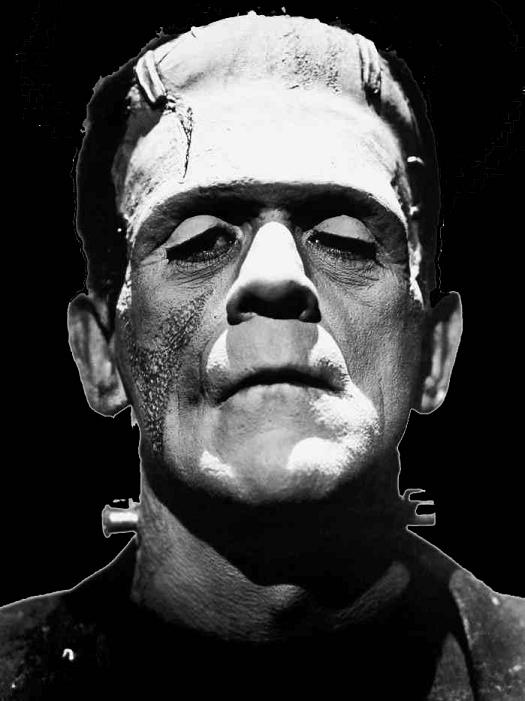
For some, the mistake behind the revolution is primarily moral. Lenin, for example, is painted as a fiend incarnate whose bottomless depravity is directly responsible for Russia’s downfall. We can call this the “Boris Karloff Lenin,” who rubs his hands in murderous glee: “Today, I think I’ll oppress the peasants!” I have the impression that something very close to the Boris Karloff Lenin has become the dominant image of the Russian revolution for the wide public, especially in the United States.