The Peaky Blinders Film Ratchets Up the Gloom and Black Humor
Cillian Murphy’s final turn as Tommy Shelby in Netflix’s Peaky Blinders: The Immortal Man is a brooding, gorgeous farewell to one of TV’s great antiheroes.
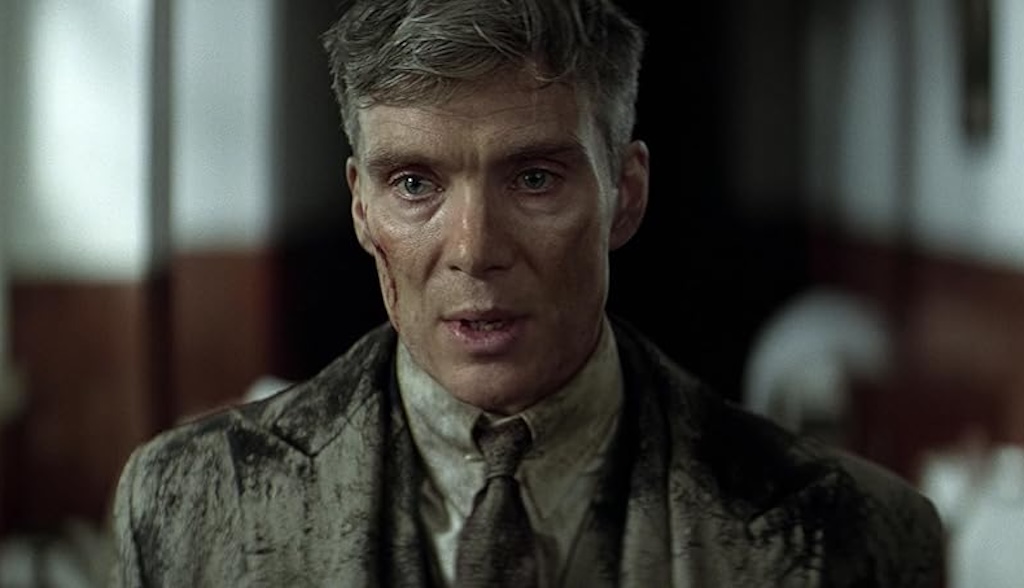
Cillian Murphy turns Peaky Blinders: The Immortal Man into a fog‑soaked reckoning with violence, class, and the ghosts that built Tommy Shelby. (Netflix / BBC Film)
The power of the Netflix movie Peaky Blinders: The Immortal Man hangs off the haunted cheekbones of Cillian Murphy, so of course it’s doing very well. The hit film functions as a final send-off to Murphy’s antihero Tommy Shelby of the long-running BBC-to-Netflix series Peaky Blinders, which became a global phenomenon. Tommy began the series as a World War I veteran returning home to the mean streets of Birmingham, England, imbued with violence and trauma and ready to channel it into heading up the Peaky Blinders, an Irish-Roma gang that eventually rules the streets as a formidable criminal enterprise that crosses over into powerful political status as well.
By the time of The Immortal Man, it’s 1940, and middle-aged, world-weary Tommy Shelby has done so many heinous things; he’s abandoned the Peaky Blinders and retreated to his decaying manor house with only his loyal aide-de-camp Johnny Dogs (Packy Lee) for company. There Tommy writes his morbid memoirs and sees the ghosts of his familial dead all over the house and grounds.
The older Tommy gets, the more beautifully haggard he looks. It’s hard to think of more romantic shots than Cillian Murphy as Tommy encountering reproachful spirits in the foggy countryside. Those desponding lake-blue eyes and all.